Why Pre-Season AC Preparation Safeguards Your Summer Comfort
Summer heat demands a reliable air conditioner. Homeowners who delay maintenance until the first hot spell often face system failures or poor performance. Pre-season preparation changes this outcome. A professional tune-up ensures efficiency, prolongs equipment life, and maintains steady cooling when temperatures rise.
Core Costs of Pre-Season AC Maintenance
Pre-season air conditioning service costs vary by location and system type, yet national averages offer clear guidance. A typical residential tune-up falls between 90 and 200 dollars. This range covers a comprehensive inspection, thorough cleaning, and detailed performance evaluation.
In homes with larger units or multiple systems, expenses may climb to 250 dollars or higher. Regional factors influence these figures. High-humidity coastal zones require extra attention to corrosion and moisture buildup, which elevates rates. Inland areas with milder climates benefit from lower costs due to less intensive seasonal operation.
Demand timing affects pricing as well. Early spring appointments secure competitive rates and prompt scheduling. As warmer weather approaches, service fees increase alongside availability constraints. Broader economic pressures, such as rising fuel prices or labor shortages, impact refrigerant and part costs, prompting providers to adjust their schedules accordingly.
Common Pricing Structures for AC Services
HVAC professionals employ diverse models to price pre-season work. Flat fees dominate, encompassing a complete inspection, cleaning, and testing process. These packages simplify budgeting for homeowners seeking straightforward service.
Hourly billing appears in cases requiring extended diagnostics or minor fixes, with rates spanning 70 to 120 dollars per hour. Bundle options gain popularity through annual plans that merge heating and cooling maintenance. Such agreements provide priority access and repair discounts, often at a fraction of individual visit costs.
Subscription services emerge as a convenient alternative. Monthly payments fund regular tune-ups and emergency responses, ideal for consistent coverage. For occasional needs, one-time services offer flexibility, though they prove more expensive over multiple years compared to planned approaches.
Service Levels and Associated Costs
Providers typically organize offerings into tiers to match varying needs and budgets.
- Basic Tune-Up: At 90 to 130 dollars, this level includes coil inspections, thermostat calibration, and filter changes. It focuses on essential checks to verify basic operation.
- Standard Tune-Up: Ranging from 130 to 200 dollars, this expands to duct inspections, refrigerant level assessments, and electrical component reviews.
- Premium Tune-Up: Beginning at 200 dollars, it delivers in-depth care like full coil cleaning, drain line clearing, blower motor diagnostics, and performance summaries.
Specialized services for advanced systems, such as those with variable-speed compressors or smart controls, may surpass 300 dollars. These account for the technical demands of modern equipment.
Factors Shaping Maintenance Expenses
Multiple elements determine the final price of a pre-season AC evaluation.
System capacity plays a primary role; larger or zoned setups demand more time for inspection and servicing. Component intricacy adds layers, as smart features or inverter drives necessitate skilled handling.
Service duration typically spans one to two hours, influenced by unit condition and access ease. Supplies like filters, refrigerants, and cleaners contribute small but cumulative expenses.
Aging equipment often escalates costs through accumulated debris, degraded wiring, or obsolete refrigerants. Addressing these proactively prevents steeper future outlays.
Optional Enhancements and Extra Fees
Core tune-ups address fundamental needs, yet add-ons allow customization. Duct cleaning, priced at 300 to 500 dollars, optimizes airflow and enhances air purity.
Upgraded filters, costing 20 to 60 dollars, capture finer particles for better filtration. Antimicrobial coil treatments, at 40 to 80 dollars, inhibit mold and bacterial development.
Priority scheduling during busy periods incurs 50 to 100 dollar surcharges for same-day response. These investments yield benefits in reliability, efficiency, and health.
Long-Term Benefits of Early AC Maintenance
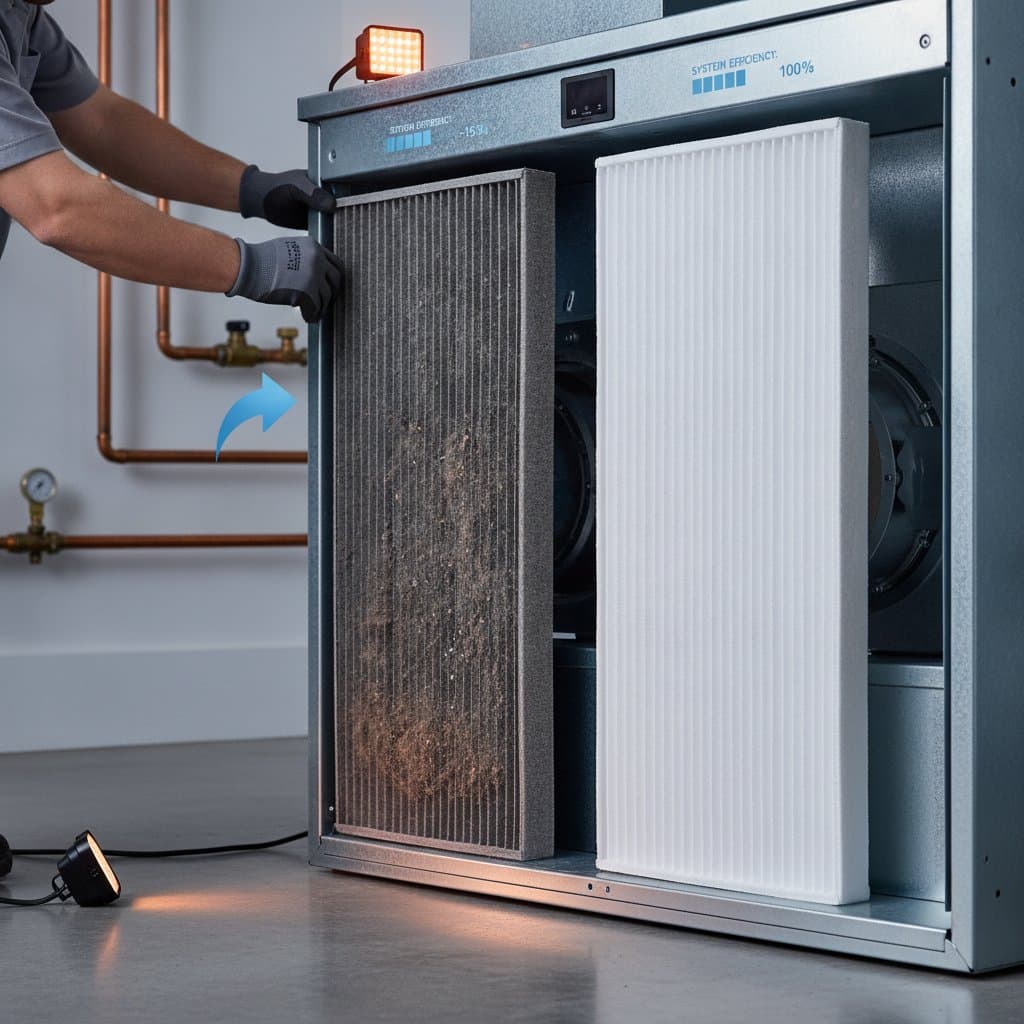
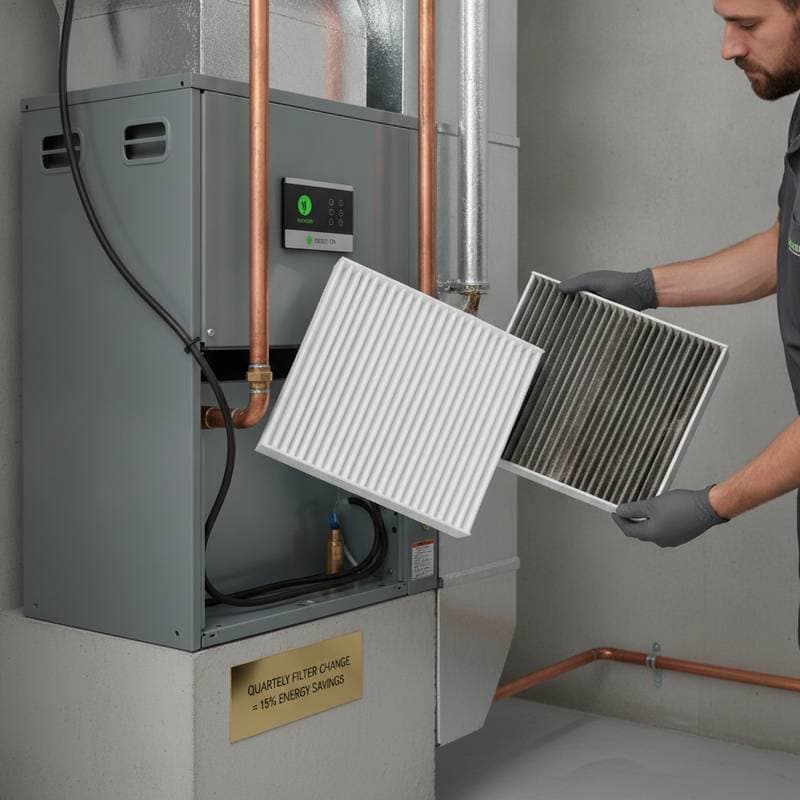
Foregoing pre-season service carries hidden risks. Untended units diminish in efficiency annually, potentially increasing energy consumption by 15 percent, as noted by the Air Conditioning Contractors of America.
Minor oversights like soiled coils or insufficient refrigerant accelerate wear, cutting system longevity short. Routine checks avert these pitfalls, sustaining optimal cooling and reducing operational strain.
Certified technician Jason Patel of CoolAir Systems observes, "Most emergency calls we get in early summer come from systems that were never checked in spring. A pre-season inspection catches small problems before they become major repairs." Industry data supports this, indicating preventive care cuts breakdowns by nearly 40 percent.
Selecting a Dependable HVAC Provider
The choice of service partner matters greatly. Seek licensed, insured professionals certified by NATE or EPA. Request a step-by-step service outline, including duration and potential add-ons, to ensure transparency.
Reputable firms detail their process upfront, building trust through clear communication.
Habits to Sustain AC Performance Year-Round
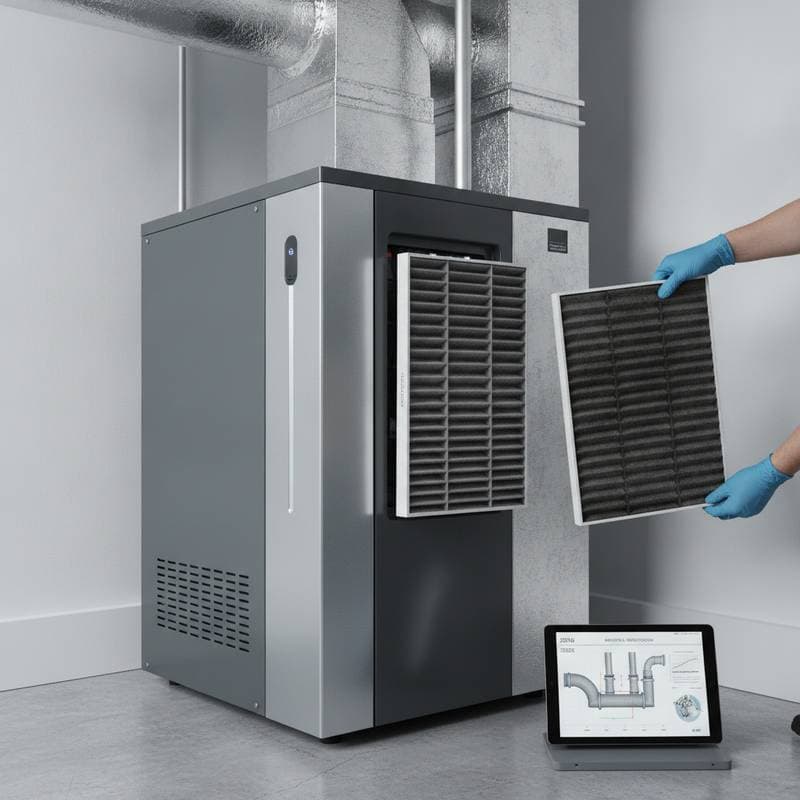
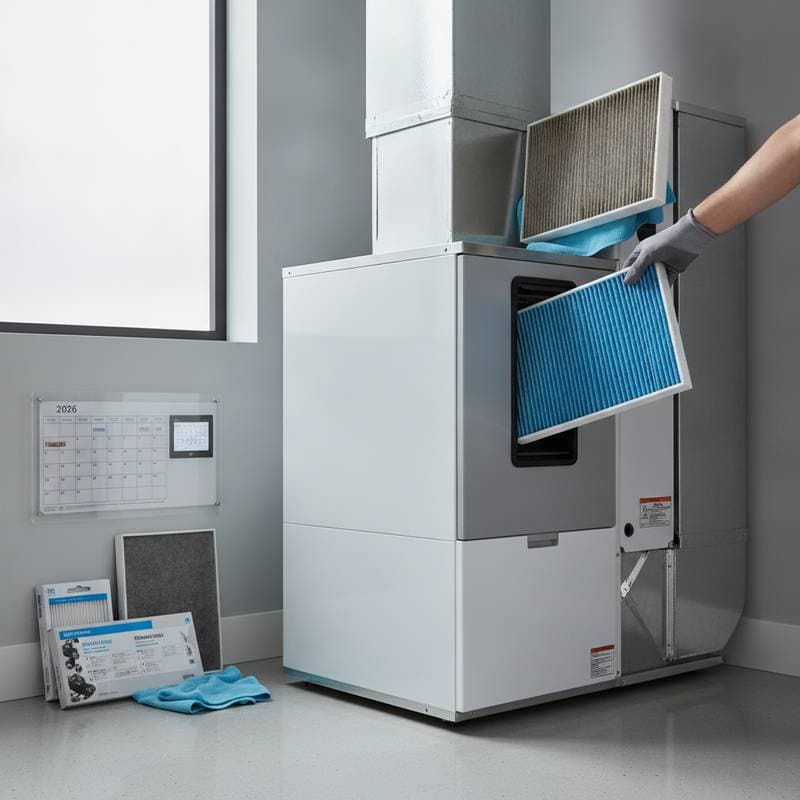
Post-tune-up, simple routines preserve system health. Swap filters every one to three months based on usage. Remove debris from outdoor units and ensure indoor vents remain clear.
Annual professional servicing reinforces these efforts, regardless of apparent functionality. These practices guarantee reliable operation, minimal noise, and reduced utility expenses. Your home stays cool and comfortable through the hottest months, free from disruptions.