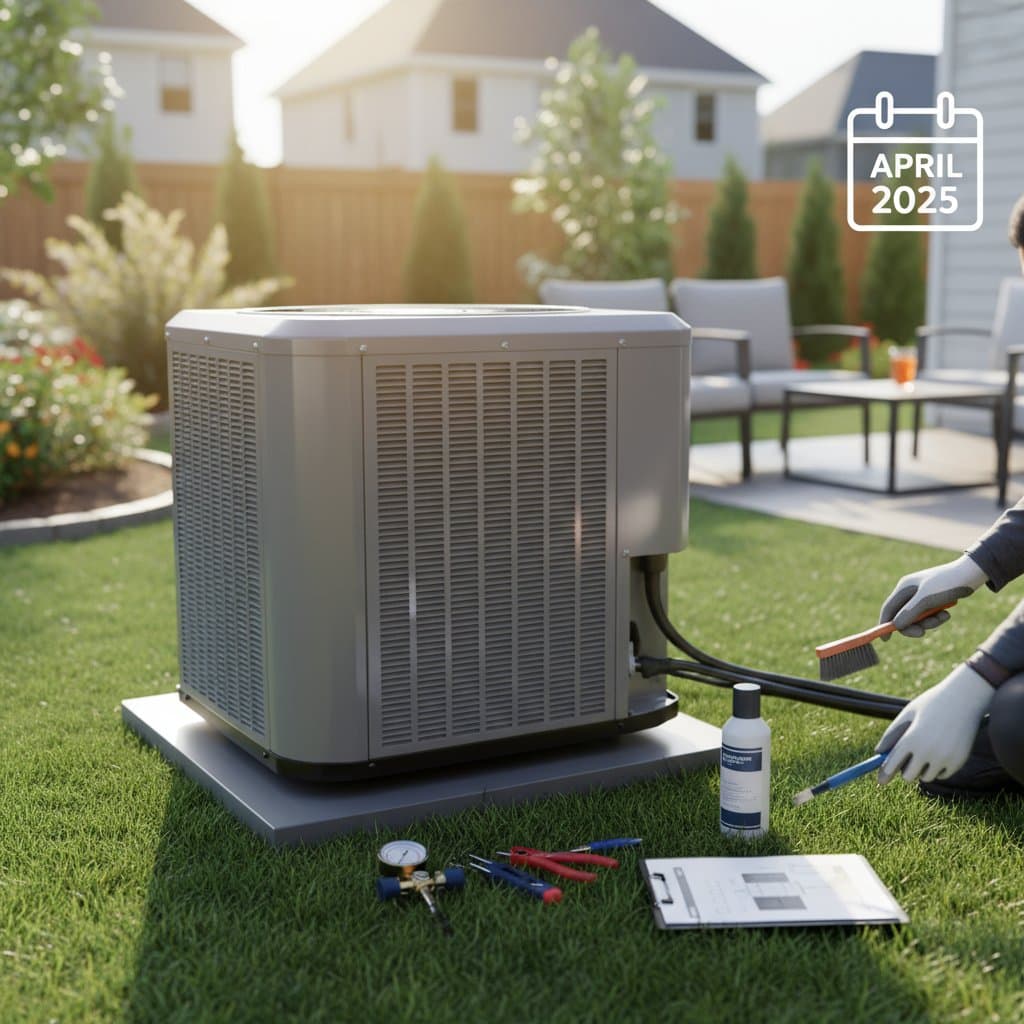
The Pre-Season AC Tune-Up That Saves Your Summer
When warm days arrive, your air conditioner becomes the most important system in your home. Yet many homeowners wait until the first heat wave to switch it on, only to find weak airflow or warm air blowing from the vents. A pre-season AC tune-up keeps that from happening. It prepares your cooling system before heavy use, prevents breakdowns, and saves money on energy bills throughout the summer.
This guide explains how to perform a full pre-season AC check, what to look for, and when to call a professional. It also includes a clear checklist, cost insights, and simple maintenance habits that keep your system running smoothly all season long.
Key Benefits for Homeowners
-
Lower Energy Bills
Clean coils and filters help your air conditioner cool faster with less power. For example, a dirty filter can increase energy use by up to 15 percent. Regular tune-ups ensure efficient operation from the start of the season. -
Fewer Repairs
Identifying issues early prevents breakdowns during peak heat. Small problems like loose wiring or low refrigerant levels become major expenses if ignored until summer demands peak performance. -
Longer System Life
Regular care reduces strain on motors and compressors, extending the system's lifespan. Homeowners who maintain their units annually often see their AC last 10 to 15 years longer than neglected ones. -
Better Air Quality
Clean filters trap dust and allergens, improving the air you breathe. This is especially valuable for families with respiratory concerns, as it reduces indoor pollutants circulating through the home. -
Consistent Comfort
Even cooling across rooms keeps your indoor environment stable, avoiding hot spots. A well-tuned system distributes air uniformly, maintaining comfortable temperatures without constant adjustments.
Step-by-Step DIY Pre-Season AC Checklist
Perform these tasks in early spring, before temperatures rise above 70 degrees Fahrenheit. Gather basic tools such as a screwdriver, vacuum with brush attachment, and replacement filters. Always turn off power to the unit at the breaker before starting.
-
Inspect and Replace the Air Filter
Locate the filter in the return air duct or furnace. Check for dirt buildup; replace it if it appears clogged. A clean filter improves airflow and prevents overworking the blower motor. -
Clean the Outdoor Condenser Unit
Clear debris like leaves and grass clippings from around the unit. Use a garden hose to gently rinse the coils, avoiding high pressure that could bend fins. Straighten any bent fins with a fin comb for optimal heat exchange. -
Check the Drain Line
Find the condensate drain line near the indoor evaporator coil. Flush it with a mixture of one part bleach to 10 parts water to prevent clogs from algae. A blocked drain can cause water damage or system shutdowns. -
Examine Ductwork for Leaks
Look for gaps or tears in visible ducts, especially in attics or basements. Seal small leaks with mastic sealant or foil tape. Leaky ducts waste up to 20 percent of cooled air, driving up costs. -
Test Thermostat Functionality
Set the thermostat to cool mode and run the system briefly. Verify that it cycles on and off properly. If you have a programmable model, update the schedule to match your daily routines. -
Inspect Electrical Connections
Tighten any loose wires on the outdoor unit's access panel. Look for signs of wear like frayed insulation. Avoid handling live wires; if unsure, note the issue for professional review. -
Clear Vents and Registers
Ensure all room vents are open and free of dust. Vacuum registers to maintain strong airflow. Blocked vents force the system to work harder, reducing efficiency.
Follow this checklist annually to catch minor issues before they escalate. Document your findings, including dates and photos, to track the system's health over time.
Cost and Time Expectations
A professional AC tune-up usually takes about one hour, depending on the system's condition. The average cost ranges from 75 to 200 dollars, far less than the 500 to 1000 dollars for emergency summer repairs. Many service companies offer seasonal specials or maintenance plans that include priority scheduling and discounts on parts.
For DIY maintenance, expect to spend only 20 to 50 dollars on filters, cleaning supplies, and sealant for ducts. The return in energy savings and reliability often exceeds these minor costs. Over a summer, efficient operation can save hundreds on utility bills.
Suggested chart: A bar chart comparing average costs of a tune-up (150 dollars), minor repair (750 dollars), and full system replacement (5000 dollars) with alt text “Cost comparison of AC tune-up vs repairs.”
When to Call a Professional
If your system shows poor cooling performance after basic cleaning or you detect refrigerant leaks, contact a licensed HVAC technician. Handling refrigerant requires certification, and electrical issues are unsafe for untrained users. A professional can also check pressure levels, test capacitors, and ensure safe startup.
Professionals use specialized tools to measure refrigerant charge accurately and calibrate the thermostat for precision. They perform tasks like lubricating moving parts and inspecting the evaporator coil, which are difficult to access without proper equipment.
Quote-worthy insight: “DIY checks keep your AC clean, but pro testing keeps it safe.”
Build Lasting Habits for AC Reliability
Incorporate monthly checks during the cooling season, such as monitoring filter status and clearing outdoor debris after storms. Schedule annual professional inspections to address hidden wear. These habits not only extend equipment life but also maintain warranty coverage from manufacturers.
Track your energy usage before and after tune-ups to quantify savings. Adjust habits like closing blinds during peak sun hours to complement system efficiency. Over time, these practices create a more resilient home cooling setup.
Quote-worthy insight: “Prepare before the heat arrives, and your AC will reward you with a dependable, cool summer.”
A pre-season AC tune-up is one of the simplest ways to protect both comfort and budget. Start early before the first stretch of heat. Follow the checklist, track what you complete, and note any areas that need professional help. Your system will cool faster, run quieter, and last longer.