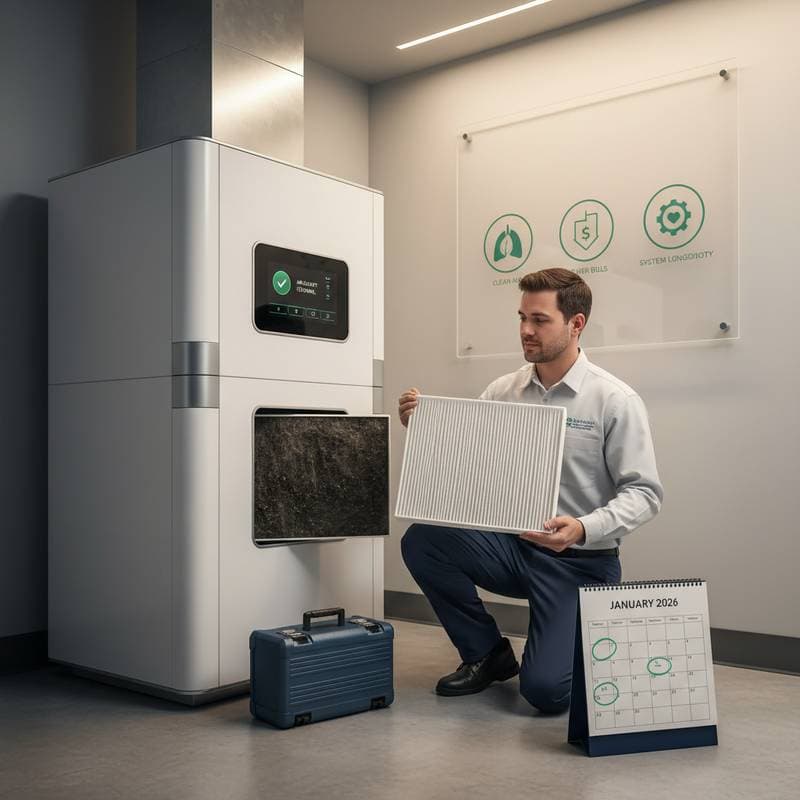
The Rise of Monthly HVAC Filter Changes for Optimal Air Quality in 2026
Homeowners increasingly prioritize clean indoor air as awareness grows about its impact on health, comfort, and energy consumption. Experts, home inspectors, and HVAC manufacturers endorse monthly filter replacements, citing evidence that shorter intervals maintain peak system performance. This practice extends beyond trends; it safeguards air purity and equipment durability in residences everywhere.
The Fundamentals of HVAC Filter Functionality
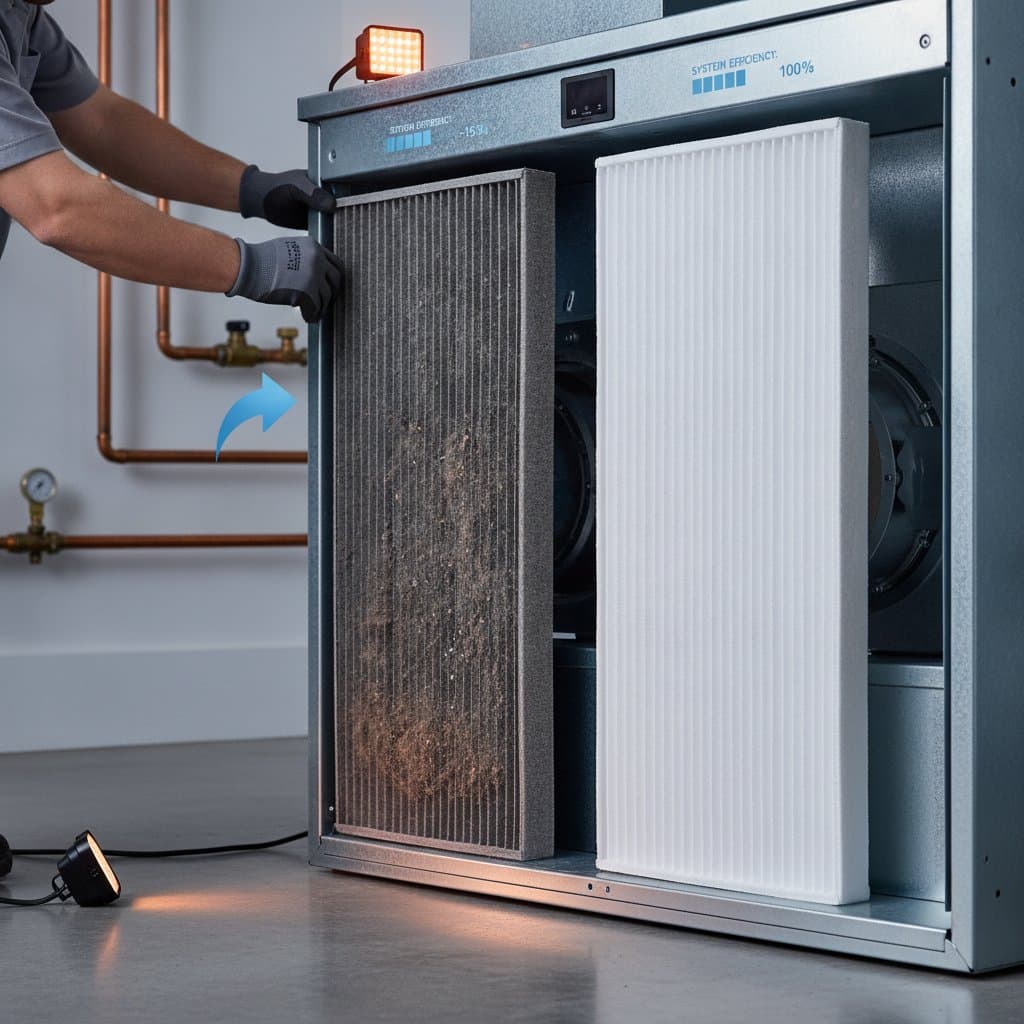
HVAC systems depend on filters to capture dust, pollen, and particulates before they spread through ductwork. A clogged filter compels the system to exert greater effort to draw air, which elevates energy demands and accelerates component degradation. Clean filters efficiently eliminate contaminants and inhibit accumulation on coils and fans. The contrast between a pristine filter and a soiled one manifests in improved airflow, lower utility statements, and diminished service needs.
Monthly replacements might appear rigorous, but many households accumulate debris more rapidly than anticipated. Residences near highways, construction sites, or abundant vegetation amass airborne particles that infiltrate ducts and vents. Pet dander exacerbates the issue, while seasonal pollen intensifies the burden. Monthly exchanges mitigate these hazards before they escalate into significant concerns.
Advantages for Health and Comfort
Pristine air facilitates easier respiration and alleviates allergy responses. Research from indoor air quality organizations indicates that indoor particulates can match outdoor pollution levels in concentration. A new HVAC filter intercepts these elements, restricting their entry into occupied areas. Households with infants, seniors, or individuals prone to airborne sensitivities gain the most from this routine.
Fresh air circulation also preserves a neutral ambiance in living spaces. Cooking aromas, tobacco residue, or pet scents adhere to dust lodged in filters. An obstructed filter fails to contain these odors adequately. Regular replacement ensures crisp, equilibrated air quality. Numerous residents note reduced migraines, diminished nasal blockage, and enhanced rest following diligent filter upkeep.
Long-Term Financial Benefits
Frequent filter changes often prompt concerns about escalating expenses. Evidence demonstrates the contrary outcome. Contaminated filters oblige HVAC units to operate extended periods to achieve equivalent temperature control, resulting in amplified electricity consumption and hastened deterioration of motors and compressors. A single monthly filter costs mere dollars, whereas compressor overhauls may exceed thousands.
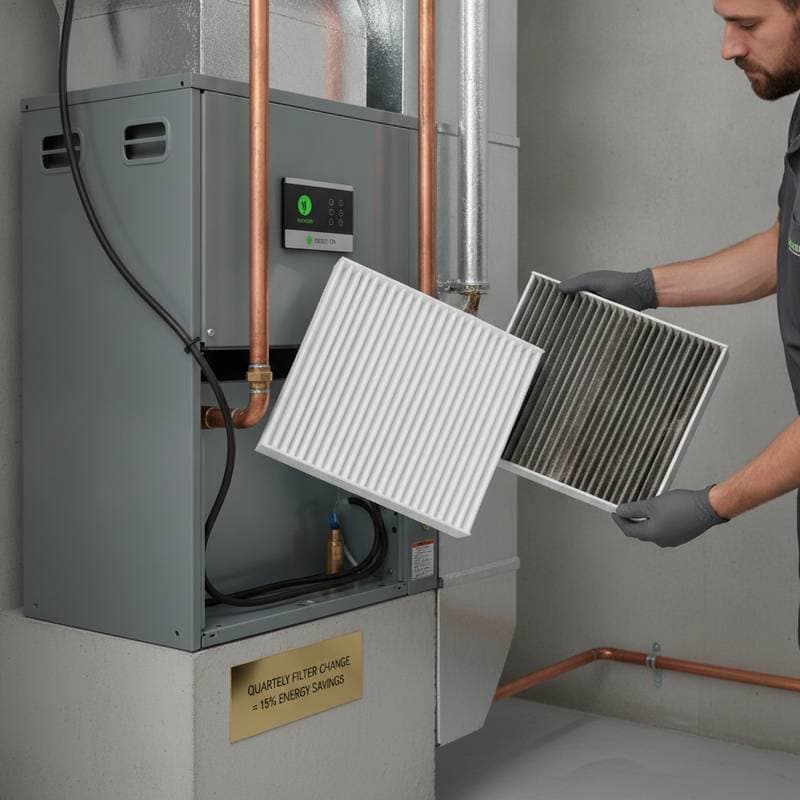
Energy authorities project that pristine filters boost efficiency by as much as 15 percent. Such gains yield tangible reductions over a heating or cooling cycle. Routine maintenance upholds warranty stipulations, as numerous producers mandate documentation of upkeep for claims. In essence, modest monthly investments forestall substantial future expenditures.
Selecting an Appropriate Filter
Filters vary from simple fiberglass varieties to advanced pleated, high-efficiency options. The critical metric is the MERV rating, which gauges particle capture efficacy. Elevated ratings signify superior filtration of minuscule contaminants, though they may impede airflow in incompatible systems. Standard households perform optimally with MERV 8 to 12 filters, which seize prevalent dust and allergens without compromising circulation.
Individuals with pets or heightened allergies might opt for superior ratings, yet consultation with an HVAC specialist proves advisable prior to selection. Certain units cannot accommodate dense media, potentially leading to airflow deficits and uneven temperature distribution.
Guide to Replacing HVAC Filters
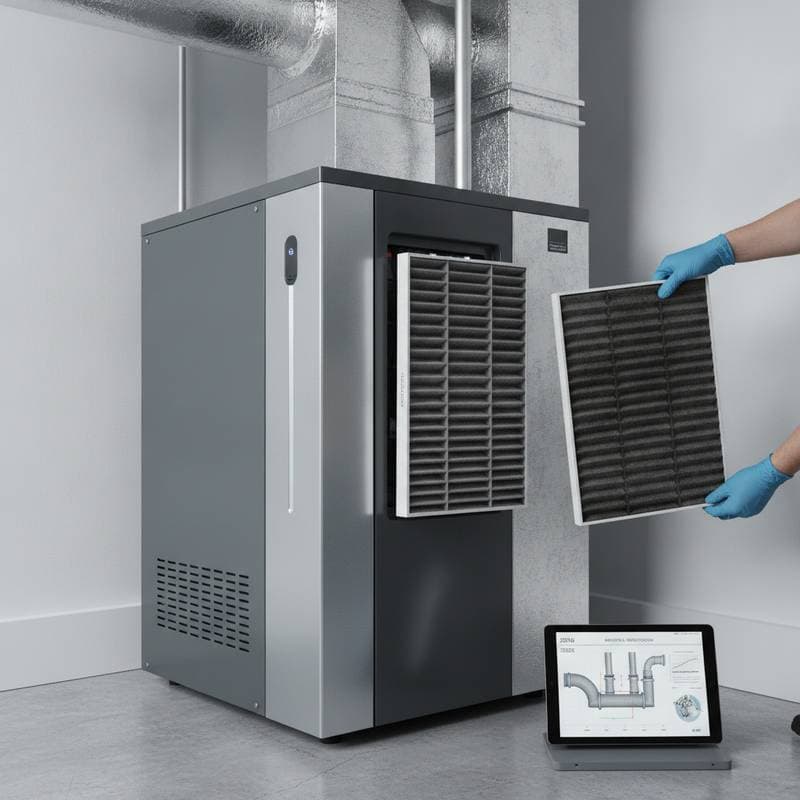
- Power down the unit. Initiate the process by deactivating heating or cooling functions to avoid dispersing debris into the duct system.
- Identify the filter compartment. This typically resides behind a return air grille or within the air handler enclosure.
- Verify dimensions. Markings on the existing filter's frame indicate the precise measurements; procure an exact match for secure installation.
- Extract the used filter gently. Refrain from agitating it to prevent liberating captured particulates.
- Position the replacement. Align the directional arrow on the frame toward the blower or incoming air path.
- Fasten the access panel. Reattach covers or latches securely before reactivating the system.
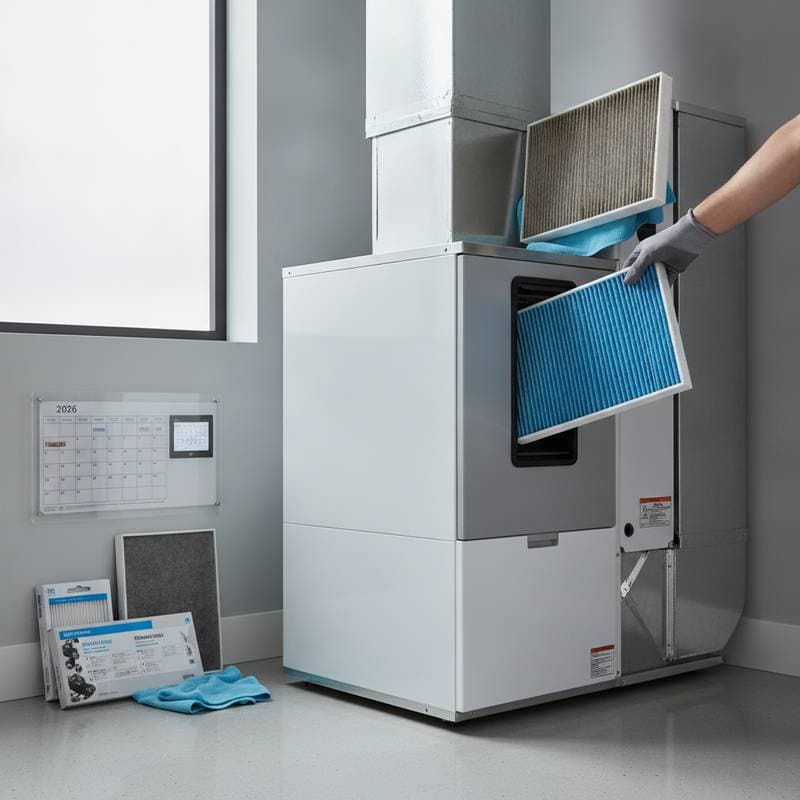
- Schedule the subsequent change. Calendar the next due date or configure a digital notification for consistent monthly adherence.
Visual aids, such as photographs depicting each phase, assist novice maintainers. A side-by-side image of a new filter versus a clogged one, accompanied by alt text reading "visual comparison of clean and dirty HVAC filters," underscores the transformation vividly.
Indicators for Immediate Filter Replacement
Monthly intervals suit typical environments, though certain scenarios necessitate prompt action. Monitor these signals:
- Reduced or inconsistent airflow from registers
- Rapid dust accumulation on surfaces
- Prolonged runtime for the HVAC unit
- Musty odors emanating from vents
- Intensified allergy manifestations within the home
These symptoms denote filter saturation and restricted passage. Prolonging replacement heightens energy expenditure and invites mechanical issues.
Safety Protocols and Eco-Friendly Practices
Dispose of spent filters responsibly by encasing them in plastic to confine dust prior to trash disposal. Separate and recycle cardboard frames where feasible. When purchasing replacements, prioritize vendors offering sustainable packaging or recyclable components.
Resist the urge to clean disposable filters via vacuuming or rinsing, as this compromises their integrity and filtration capacity. Reserve cleaning for electrostatic or washable variants, ensuring complete drying before reuse.
Insights from Professionals and User Experiences
HVAC technicians frequently attribute urgent service requests to inadequate airflow or filter blockages. One specialist from a leading home services provider observes that approximately half of unit malfunctions prove preventable through steady filter maintenance. Forum participants describe seamless furnace ignition and subdued noise levels after adopting monthly routines. These accounts affirm that incremental practices yield enduring reliability.
Analyzing Filter Expenses Against Energy Gains
A comparative chart illuminates the equilibrium between replacement costs and efficiency improvements. An annual monthly regimen might total twenty to forty dollars seasonally, offset by equivalent or greater electricity reductions. Tracking metrics over months reveals the net advantage. Envision a bar graph titled "Filter Replacement Costs Versus Energy Savings," with alt text "analysis of filter frequency impacts on expenses."
Establishing a Comprehensive Maintenance Habit
Integrate filter swaps with brief inspections like smoke detector testing, grille dusting, and return vent vacuuming. Consolidating these activities fosters a seamless routine that sustains robust air movement. Adherents to monthly protocols typically enjoy prolonged HVAC service life with minimal disruptions. This approach cultivates a proactive stance toward home cleanliness.
Sustaining Efficiency Through Consistent Action
Embracing monthly HVAC filter changes equips homeowners to optimize system performance and indoor environments. This discipline not only curtails operational costs but also enhances daily well-being. Commit to the routine today for a more efficient, healthier residence tomorrow.