Essential May AC Maintenance for Reliable Summer Cooling
Warmer weather signals the start of heavy reliance on your home air conditioning system. Performing targeted maintenance in May equips the unit to handle peak demands without faltering. These straightforward procedures not only minimize the risk of disruptions but also optimize performance to control energy consumption effectively.
The Value of Proactive AC Care
Consistent upkeep ensures optimal operation and prolongs the equipment's service life. Early detection of minor problems prevents escalation into major failures that demand significant investment. Components such as filters, airflow paths, and refrigerant charges directly influence both indoor comfort and operational expenses.
A properly maintained system operates with efficiency gains of up to 20 percent compared to neglected counterparts. This translates to more consistent temperatures, reduced noise levels, and substantial reductions in utility costs during intense heat periods. Homeowners who prioritize these steps often report fewer service calls and extended intervals between full replacements.
Comprehensive May AC Preparation Checklist
Execute these procedures systematically to ready your system for extended summer operation. Allocate a weekend for completion, gathering necessary tools like a screwdriver, fin comb, and vinegar solution in advance.
-
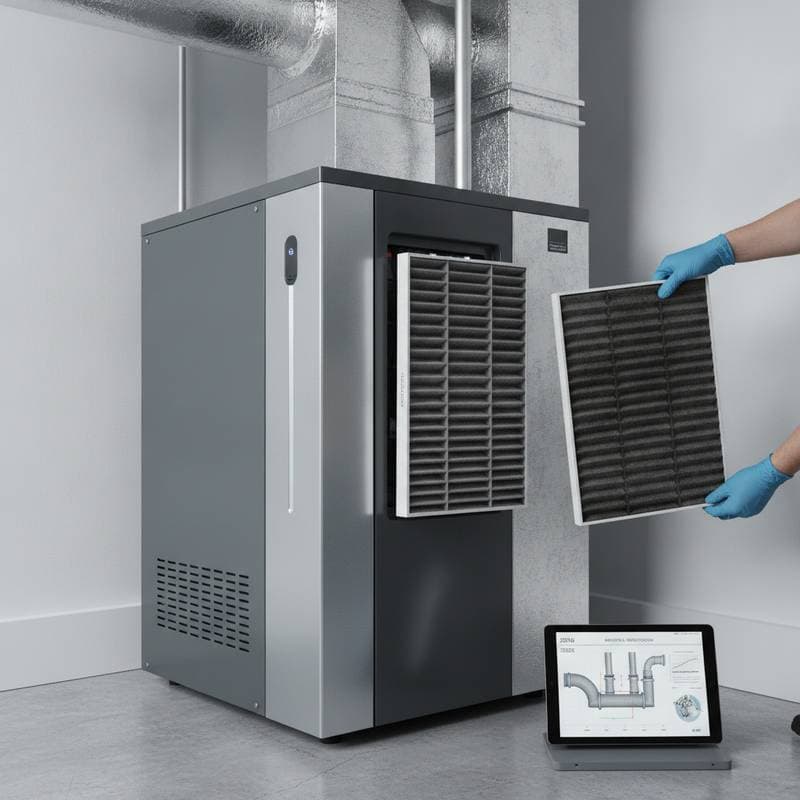
Replace or Clean the Air Filter
The air filter captures dust and allergens, but accumulation hampers airflow and strains the blower motor. Inspect the filter monthly during high-use seasons; replace it if dirt covers more than one-third of the surface. Select filters with a MERV rating of 8 to 13 for balanced filtration without excessive resistance, matching the dimensions specified on your unit's housing. -
Clear Debris from the Outdoor Condenser
Vegetation and debris insulate the unit, reducing heat dissipation and efficiency. Rake away leaves, trim encroaching branches, and ensure a minimum clearance of two feet on all sides. Gently spray the coils with a hose at low pressure to dislodge embedded dirt, allowing the system to expel heat more effectively. -
Examine and Straighten Fins and Panels
Fins on the evaporator and condenser coils facilitate heat exchange; bends from impacts disrupt this process. Carefully run a fin comb along damaged areas to restore alignment, avoiding excessive force that could cause further harm. Verify that all cabinet panels fit snugly to prevent pests or moisture entry. -
Verify Thermostat Functionality
An accurate thermostat maintains precise temperature control. Switch to cooling mode and adjust the setting five degrees below the current room temperature; the system should activate promptly. If response lags, check for low batteries or consider professional calibration to ensure energy-saving setpoints function correctly. -
Assess Indoor Air Vents and Ducts
Obstructed vents create uneven cooling and increase runtime. Dust registers thoroughly and confirm full openness in every room. Redirect furniture away from supply vents to promote balanced distribution, which enhances overall system efficiency and comfort. -
Clean the Condensate Drain Line
Algae and sediment in the drain line lead to overflows and potential structural damage. Locate the access point, typically near the indoor coil, and flush with a mixture of one cup white vinegar and warm water. Repeat this quarterly to maintain clear drainage and avoid humidity-related issues. -
Arrange for Professional Evaluation
Technicians possess tools to assess refrigerant pressure, electrical integrity, and compressor health beyond basic homeowner checks. Book an appointment early in May to address seasonal demands; this inspection often uncovers inefficiencies like minor leaks that improve performance immediately.
Practical Safety Measures and Expense Considerations
Disconnect power at the main breaker prior to any hands-on work to eliminate electrical hazards. Employ soft tools only near delicate components to prevent accidental damage. Basic homeowner tasks incur minimal cost, primarily for filters under ten dollars each, while professional services range from one hundred to two hundred dollars depending on location and scope.
Investing in prevention yields returns through avoided repairs, which can exceed five hundred dollars for compressor issues alone. Visualize the financial benefits with a simple comparison: routine maintenance at one hundred fifty dollars annually versus emergency fixes averaging eight hundred dollars.
Suggested image: A homeowner using a hose to rinse an outdoor AC condenser unit, captioned "Routine cleaning enhances airflow and eases system workload."
Addressing Frequent Homeowner Concerns
How frequently should refrigerant levels receive attention?
Certified professionals alone handle refrigerant handling due to regulatory and safety requirements. Indications of low charge, such as warm air output, typically point to leaks requiring professional sealing before recharge.
What causes musty odors upon startup?
Accumulated dust, pet dander, or microbial growth in ducts produces unpleasant smells. Fresh filters resolve minor instances; persistent issues warrant duct inspection and sanitization by specialists.
Is annual professional service necessary if the unit operates smoothly?
Even apparent normalcy masks gradual degradation in components like capacitors or belts. Regular expert review safeguards against efficiency drops and extends system longevity beyond the typical fifteen-year mark.
Maintain Peak Performance Through the Season
Implementing this preparation routine positions your air conditioner for seamless summer service. Document completion dates and observations in a dedicated maintenance journal to refine future efforts. These proactive measures deliver sustained cooling, improved air quality, and financial relief, ensuring your home remains a comfortable retreat amid rising temperatures.