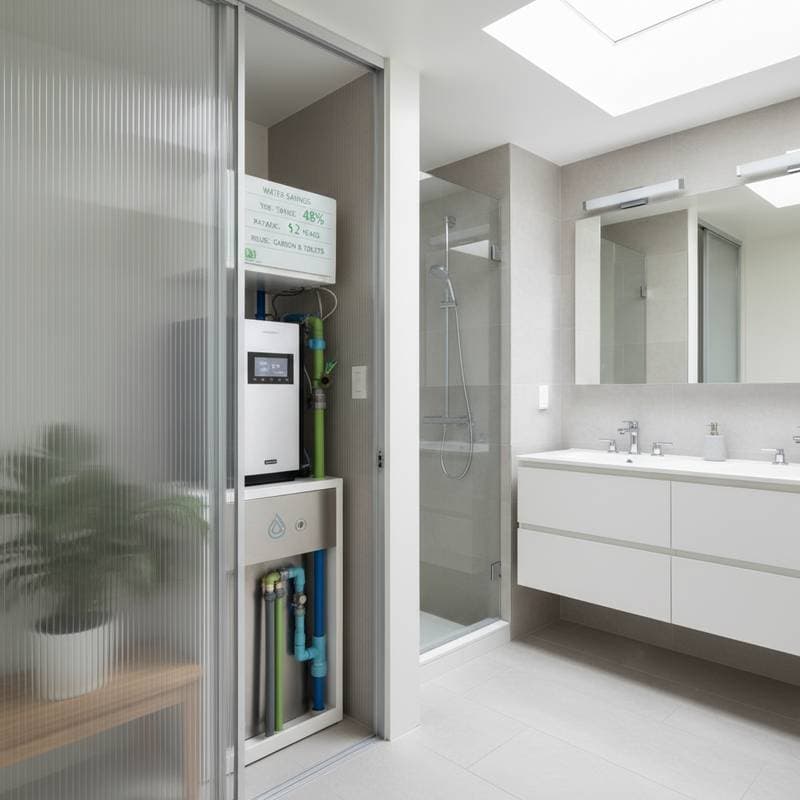
Unlock 50% Water Savings with Greywater Systems in 2026
Homeowners seek effective strategies to lower utility expenses and ease pressure on municipal water resources. Greywater recycling systems provide a proven solution by capturing and treating water from everyday sources like showers, sinks, and washing machines. This approach repurposes the water for irrigation or toilet flushing, yielding substantial reductions in overall consumption.
The appeal of these systems lies in their balance of upfront investment and long-term gains. Before installation, evaluate costs, system options, and expected returns to align with household needs and local conditions.
What Greywater Systems Entail
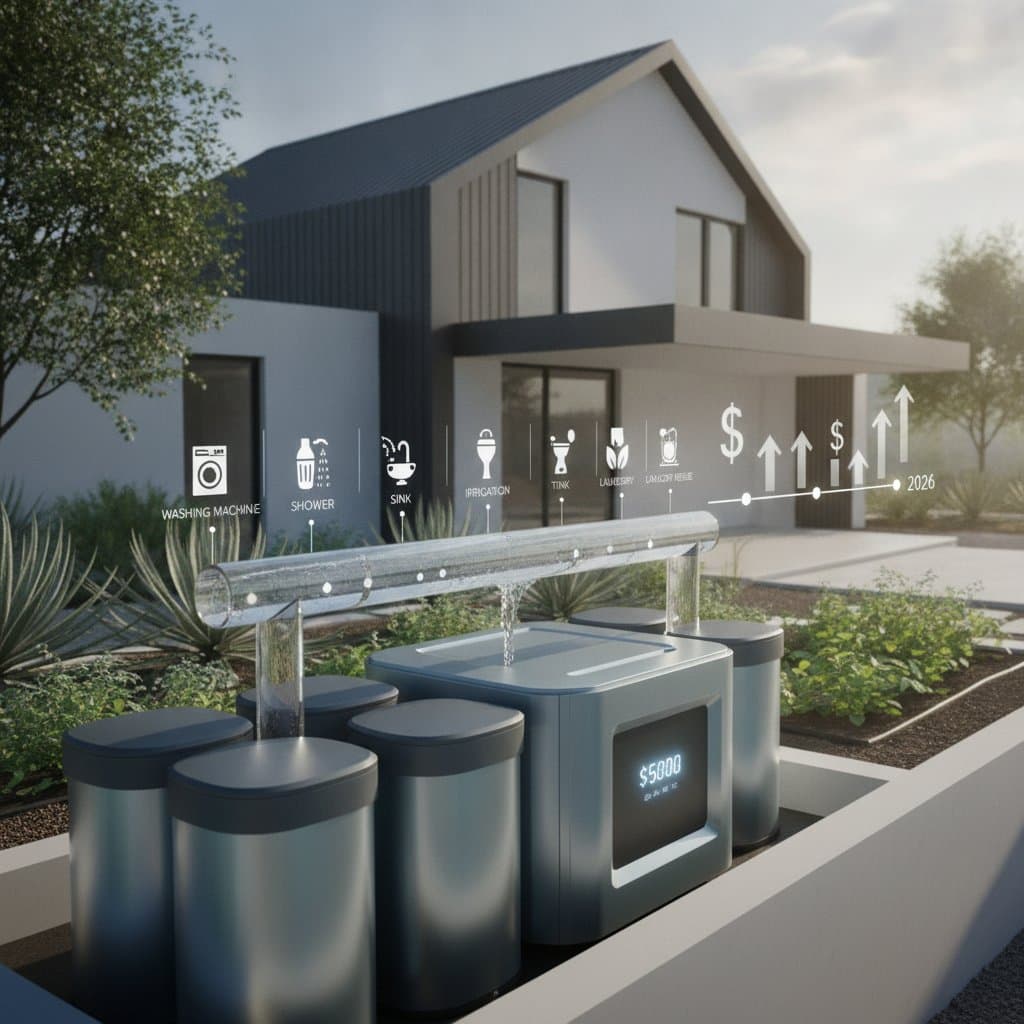
Greywater refers to wastewater from non-toilet fixtures, free from heavy contaminants like fecal matter. Sources include bathwater, shower runoff, and laundry discharge. Treatment involves passing this water through sediment traps to remove particles, followed by biological processes or chemical disinfection to eliminate bacteria.
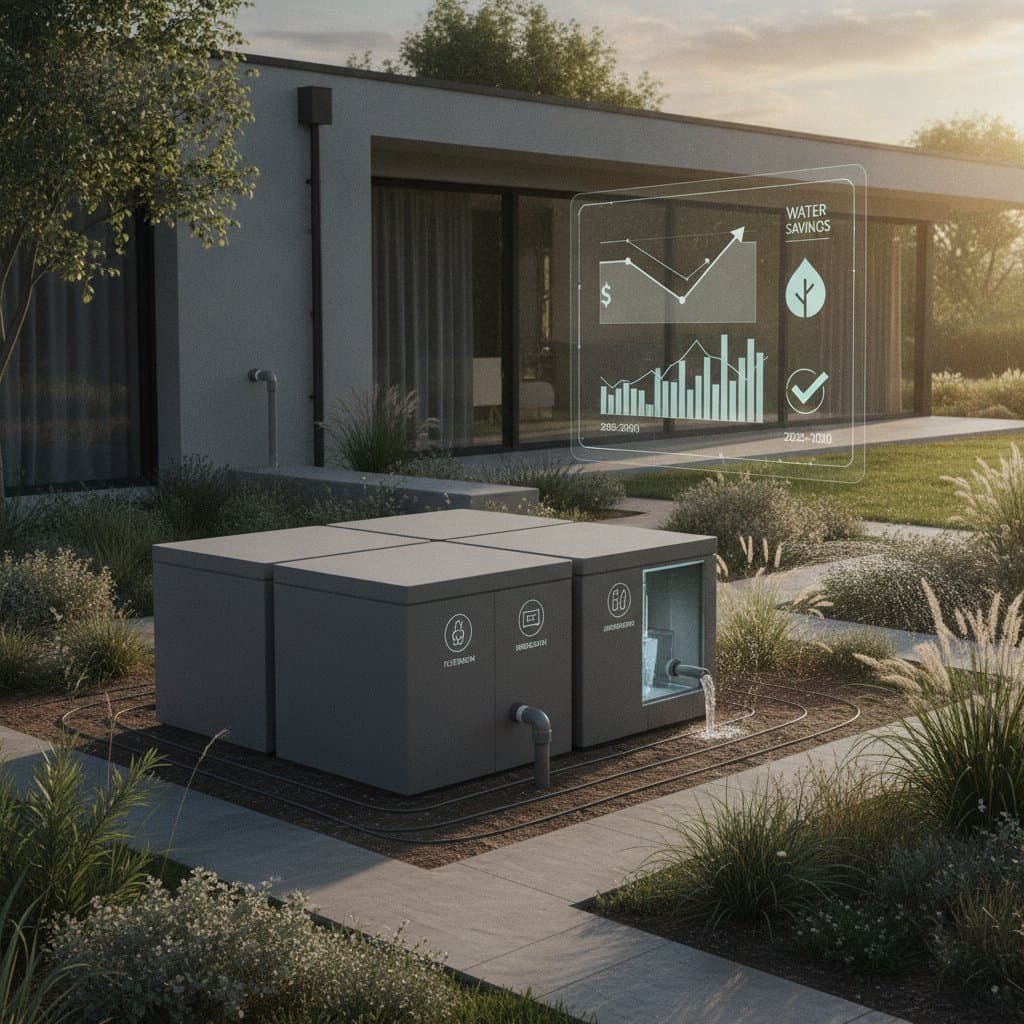
Storage occurs in dedicated tanks, from which the water distributes via pipes to gardens or indoor applications. Options span basic gravity-based units, which rely on natural slope for flow, to advanced setups with pumps and electronic controls for precise operation.
Selection hinges on property specifics. Assess home configuration, yard size, and soil permeability to determine scale. Consult local building codes early, as requirements differ by jurisdiction and may mandate separation from blackwater lines.
Detailed Cost Analysis
Expenses for greywater systems fluctuate according to capacity, technology, and setup demands. A compact unit for irrigating a small yard starts at five hundred dollars, covering diverter valves, surge tanks, and mulch basins. Mid-sized configurations handling bathroom and laundry output range from three thousand to seven thousand dollars, inclusive of professional labor for pipe integration.
Comprehensive whole-home installations, which route treated water to toilets and outdoors, often exceed ten thousand dollars. This premium accounts for excavation, pump installations, and compliance certifications.
Key variables include:
- Design Complexity: Gravity systems minimize energy use but limit range; powered variants with timers and filters enhance reliability at higher cost.
- Capacity Needs: Process one thousand gallons monthly for a family of four requires robust tanks, elevating material expenses.
- Site Challenges: Basements or crawl spaces simplify access, reducing labor; concrete slabs demand core drilling, adding one thousand dollars or more.
- Regulatory Hurdles: Permits average two hundred dollars; some areas enforce engineer-stamped plans for systems over five hundred gallons daily.
- Treatment Technology: Cloth filters suit basic needs at low cost; ultraviolet units or membrane bioreactors ensure purity for broader reuse, tacking on two thousand dollars.
Calculating Return on Investment
ROI emerges from annual savings offset against initial outlay. In regions where water costs one dollar per one hundred gallons, a household using fifteen thousand gallons yearly saves up to seven hundred fifty dollars with fifty percent reduction. Payback timelines shorten in drought-prone zones with tiered pricing.
Most systems recoup costs in five to ten years, factoring in rebates from utilities or tax credits for green upgrades. Post-payback, savings accrue indefinitely, buffering against rate hikes.
Consider a real-world example: A four-person home in a semi-arid climate installed a six-thousand-dollar system, slashing usage by forty percent. Monthly bills dropped from one hundred twenty dollars to seventy-two dollars, achieving breakeven in seven years while qualifying for a five hundred dollar local incentive.
Installation Options: DIY or Expert
For straightforward projects, DIY approaches empower capable homeowners. Assemble a laundry-to-landscape diverter with three-way valves and three hundred gallon tanks over a weekend, budgeting under one thousand dollars. Source parts from hardware stores and follow step-by-step guides to route flow safely.
Verify compatibility with codes, such as maintaining three-inch setbacks from foundations and avoiding root zones for edibles. Test for leaks post-installation to prevent soil saturation.
Complex integrations demand professional expertise. Hire certified plumbers to evaluate hydraulics, install pressure regulators, and certify backflow devices. Expect two to five days for whole-home work, with warranties spanning five years on components.
Skill levels align as follows:
- Outdoor Irrigation Setup: Beginner-friendly with basic tools.
- Laundry Redirect: Intermediate, involving valve swaps.
- Full Plumbing Tie-In: Expert-required for code adherence.
Ongoing Maintenance Practices
Sustained performance relies on routine upkeep. Rinse sediment screens biweekly during peak use to sustain flow rates. Inspect tanks quarterly for sludge accumulation, flushing as needed with enzyme cleaners.
Automated models feature self-diagnostic sensors that notify via mobile alerts for filter swaps. Budget fifty dollars yearly for replacements in basic units; advanced systems may reach two hundred fifty dollars including service calls.
Track water output logs to gauge efficiency. If yields fall below eighty percent of input, probe for clogs or pump failures, addressing them swiftly to avoid downtime.
Broader Advantages for Home and Environment
Greywater adoption eases municipal burdens by diverting five thousand gallons annually per household from sewers. This conservation preserves aquifers and mitigates flood risks from overloaded infrastructure.
On-site, it sustains greenery amid water limits, applying nutrient-rich effluent to non-food plants via subsurface drippers. Select phosphate-free cleaners to optimize soil benefits without salinity buildup.
Users often note heightened eco-awareness, fostering habits like shorter showers that amplify system impact. Such shifts enhance property appeal in eco-conscious markets.
Safeguarding System Reliability
Proactive measures prevent common pitfalls. Opt for eco-friendly detergents below five percent sodium to inhibit scaling. Schedule biennial professional audits to recalibrate pumps and verify disinfection efficacy.
Monitor for signs like reduced irrigation coverage or musty tank smells, signaling bio-film growth. Clean with vinegar solutions or hire specialists for deep restores, typically under one hundred dollars.
Integrate overflow drains to handle surges, ensuring safe discharge to sanitary lines during heavy rains.
Sustaining Gains Over Time
Durable greywater infrastructure endures fifteen years or longer with diligent care. Periodic upgrades, like sensor additions, extend utility amid evolving needs. This investment fortifies homes against scarcity, blending fiscal prudence with ecological stewardship for enduring value.