Why Fall HVAC Tune-Ups Save Winter Heating Costs
A fall HVAC tune-up may appear as one more item on a lengthy home maintenance list, yet it ranks among the most prudent financial choices before temperatures plunge. As cold weather arrives, furnaces or heat pumps operate under greater demand, consuming additional energy and accelerating component wear. This seasonal inspection enables the system to function at peak efficiency, averts expensive fixes, and stabilizes energy expenses throughout the winter months.
The Purpose of a Fall HVAC Tune-Up
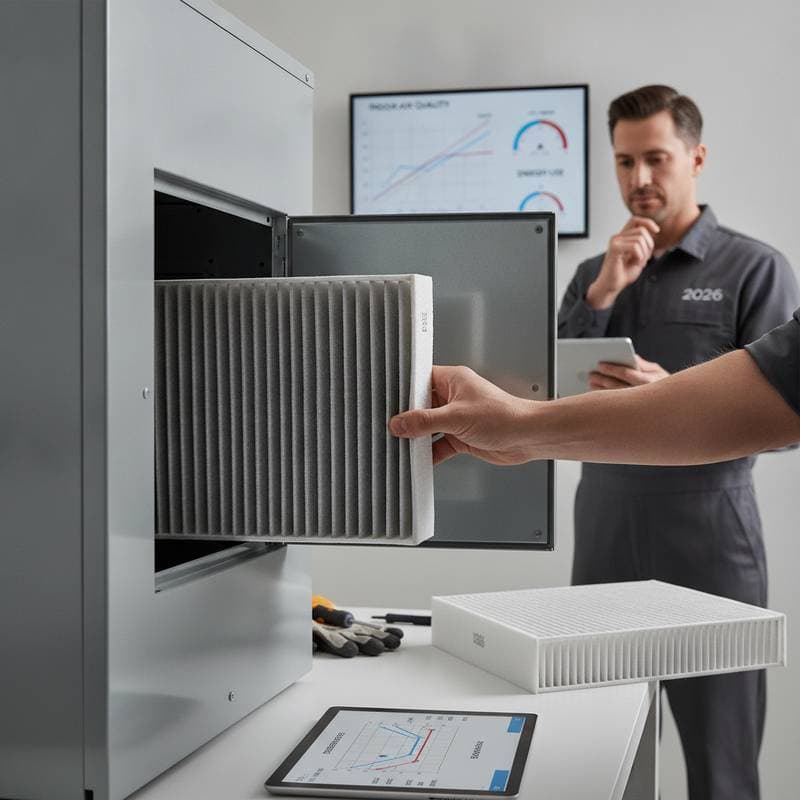
An HVAC tune-up involves a thorough examination and cleansing of the heating apparatus. Technicians inspect every element, secure connections, purify burners, swap out filters, and evaluate airflow. The primary objective remains to maintain optimal efficiency and safety prior to intensive seasonal operation.
Numerous homeowners delay service until a malfunction occurs, yet proactive measures typically prove far more economical than urgent interventions. Such inspections reveal minor faults that influence energy consumption or indoor comfort. Resolving these promptly ensures dependability and prolongs the equipment's operational duration.
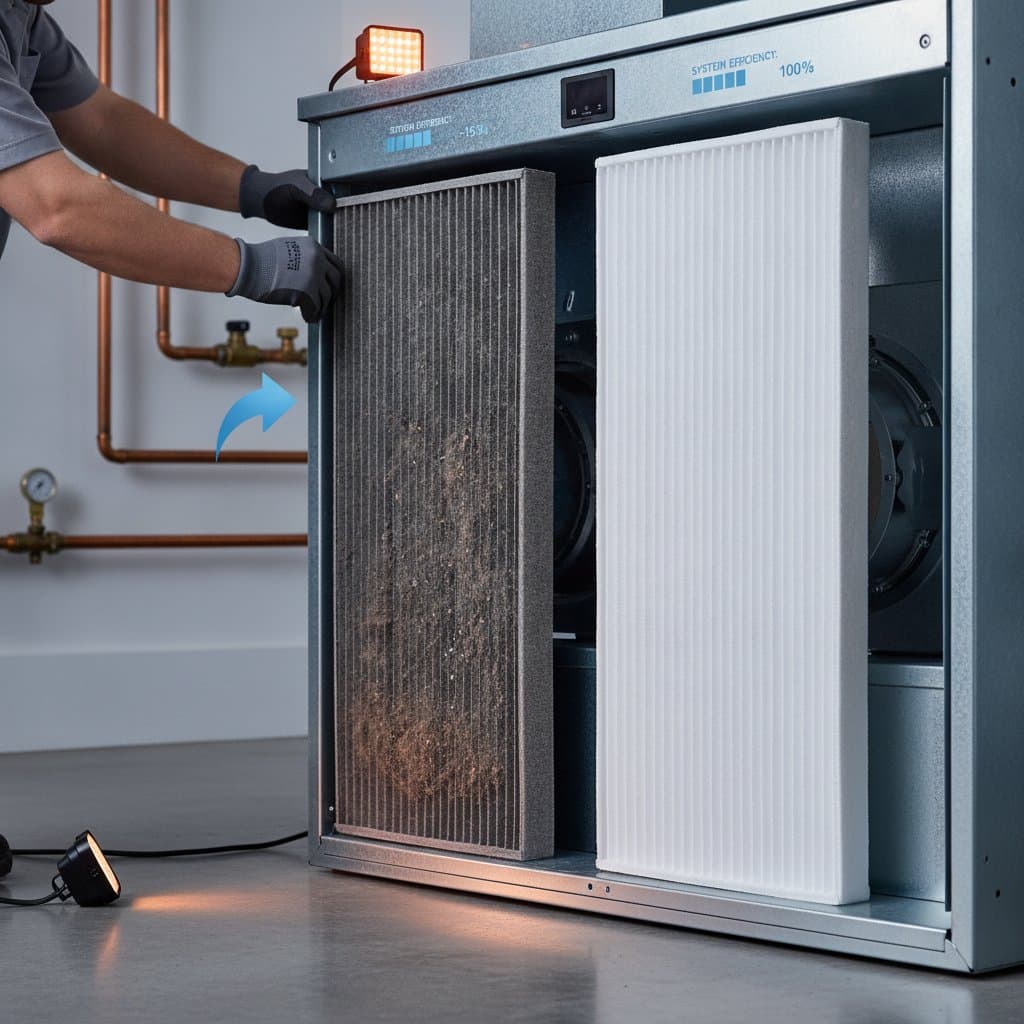
Suggested image: A technician inspecting a furnace with tools beside it. Alt text: HVAC technician performing fall furnace maintenance.
How Tune-Ups Reduce Energy Use
Heating represents a substantial portion of residential energy demands. When filters accumulate grime, belts loosen, or airflow diminishes, the furnace labors longer to achieve the desired temperature. This increased effort results in fuel inefficiency and elevated utility statements.
A tune-up rectifies these inefficiencies via targeted procedures, including:
- Cleaning the blower assembly to enhance air circulation.
- Recalibrating the thermostat for precise temperature regulation.
- Lubricating moving parts to minimize friction and energy consumption.
- Checking gas pressure and burners to optimize combustion processes.
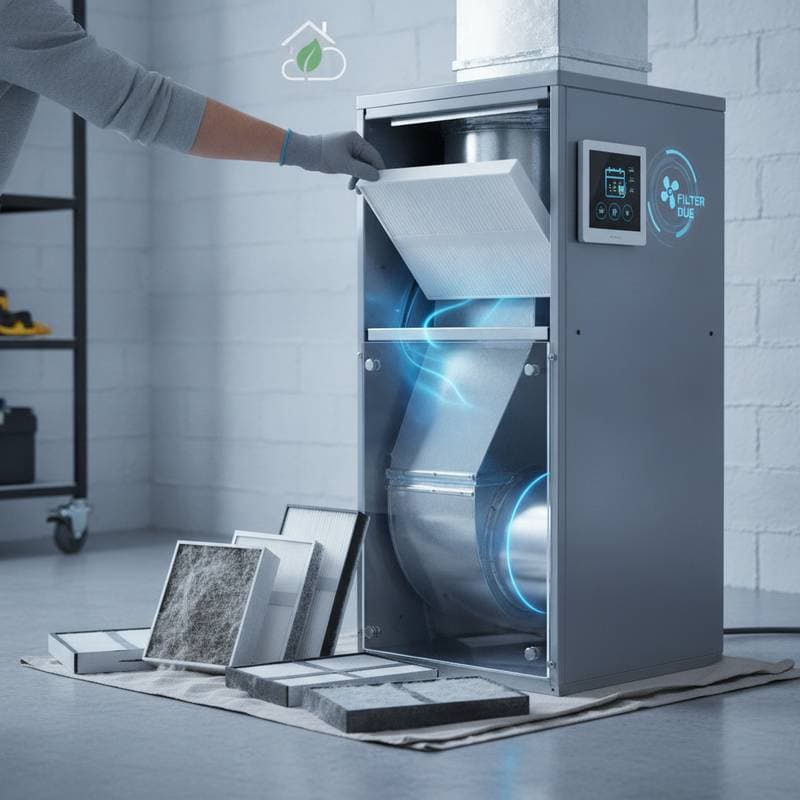
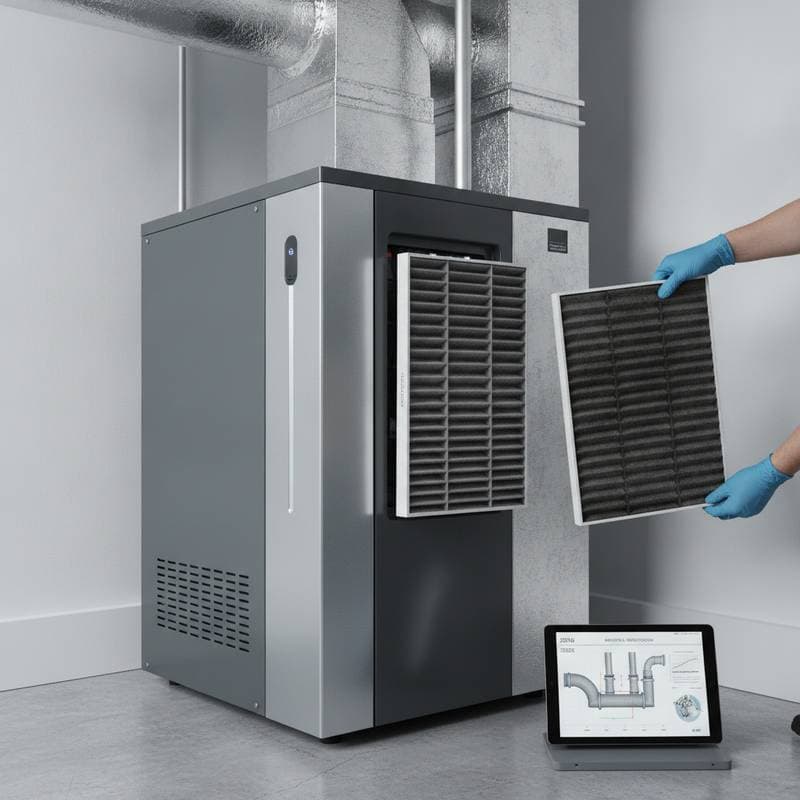
- Replacing air filters to boost airflow and air purity indoors.
These interventions align the system with its intended performance levels. Even modest improvements in efficiency yield significant reductions in expenditures across an extended heating period.
Suggested chart: Bar chart comparing energy costs for a tuned system versus a neglected system. Alt text: Chart showing lower winter heating costs after fall HVAC maintenance.
Preventing Unexpected Breakdowns
Experiencing a heating failure during a frigid evening ranks among the least desirable scenarios. A tune-up mitigates this risk by identifying issues in advance. Routine discoveries encompass frayed belts, corroded wiring, or obstructed vents, each capable of precipitating total system collapse if ignored.
Skilled technicians detect these indicators prior to escalation. For instance, a soiled flame sensor might trigger repeated shutdowns; its cleansing during service eliminates subsequent disruptions.
User insight: On various homeowner forums, participants describe avoiding hundreds of dollars in expenses by forestalling winter failures through consistent annual tune-ups. Several emphasize that the assurance provided justifies the initial outlay.
Safety Checks That Protect Your Home
Gas-powered furnaces and boilers generate heat through combustion, necessitating paramount attention to safety. Technicians scrutinize the heat exchanger for fissures and confirm exhaust pathways remain unobstructed. These evaluations forestall hazardous carbon monoxide emissions.
Electrical elements undergo testing for appropriate voltage and firm connections. Unsecured wiring poses risks of short circuits or ignition. Professional reviews confirm the integrity of safety mechanisms and detectors.
Tip: Position a carbon monoxide detector adjacent to the furnace. This device offers ongoing vigilance as an additional safeguard.
Extending System Life
All heating units possess finite longevity, though diligent upkeep can postpone replacement by multiple years. Accumulated debris, overlooked filters, and inadequate lubrication accelerate component degradation. Regular tune-ups allow motors to operate at reduced temperatures while extending bearing endurance.
A pristine system alleviates pressure on the blower motor and control units. The disparity between serviced and disregarded equipment often equates to an additional decade of functionality. This extension translates to substantial long-term financial benefits.
Suggested image: Clean furnace parts beside dirty ones for comparison. Alt text: Before and after images of furnace components cleaned during a fall tune-up.
The Financial Side of Maintenance
Homeowners frequently inquire about tune-up expenses relative to prospective gains. Costs fluctuate based on region and equipment scale, but the typical service remains more affordable than a solitary repair engagement.
Cost comparison table idea:
| Expense Type | Estimated Cost | Frequency | Notes |
|---|---|---|---|
| Fall HVAC Tune-Up | Moderate | Once a year | Includes inspection and cleaning |
| Emergency Repair | High | Unpredictable | Often required during peak use |
| Full System Replacement | Very High | Every 10–15 years | Avoidable with good care |
Insights from service providers indicate that consistent maintenance lowers heating expenses by as much as 15 percent and circumvents the majority of urgent failures. Furthermore, numerous warranties mandate annual service documentation to remain enforceable.
Building a Simple Furnace Tune-Up Checklist
Professionals adhere to comprehensive protocols, but homeowners can manage select tasks independently. Employ this streamlined checklist for organization:
- Replace or clean filters on a monthly basis during the heating period.
- Check thermostat settings to align with daily routines.
- Inspect visible ductwork for unsecured seams or openings.
- Clear the area around your furnace to promote airflow and security.
- Test smoke and carbon monoxide detectors to verify functionality.
- Watch for unusual noises or smells during system operation.
For comprehensive care, engage a certified HVAC specialist. These experts possess specialized equipment and expertise to assess gas lines, electrical systems, and operational safety.
Suggested image: Homeowner marking a checklist with tools nearby. Alt text: DIY HVAC maintenance checklist for fall furnace care.
Real-World Example
A family in a two-story residence observed escalating utility charges each winter. Upon arranging a fall tune-up, they learned the blower motor bore heavy dust layers, and the filter remained unchanged for months. Post-cleaning and adjustments, energy consumption declined markedly. The technician also identified a minor fissure in the ignitor wire, averting a potential seasonal outage.
The service fee proved nominal against the fuel savings and repair avoidance. Such outcomes prevail among those adhering to annual regimens.
Questions Homeowners Often Ask
How long does a tune-up take?
Most sessions span one to two hours, contingent on system variety and state.
Can I skip a year if my furnace seems fine?
Omission might conserve funds temporarily, but efficiency erosion and malfunction probabilities rise. Debris and deterioration progress subtly, even in ostensibly smooth operations.
Should I replace the filter before or after the tune-up?
Optimal timing involves installation just prior to the technician's arrival. This setup permits airflow assessment under clean conditions and operational validation.
Do heat pumps need the same service?
Affirmative. Heat pumps depend on coils and fans that require cleanliness for effective heat exchange. Fall servicing prepares both heating and cooling capabilities.
Building Long-Term Habits
An effective maintenance strategy integrates seamlessly into annual routines. Book the tune-up consistently, preferably ahead of initial frosts. Maintain records of services to monitor efficacy and warranty compliance.
Explore service agreements with HVAC firms. Providers frequently extend member discounts for annual commitments. This arrangement distributes costs predictably and mitigates unforeseen charges.
Pro tip: Calendar reminders for filter swaps every one to two months. Fresh filters deliver the most straightforward path to sustained efficiency.
Making It Happen
A fall HVAC tune-up transcends routine upkeep; it serves as a fiscal shield and comfort enhancer. This modest commitment preserves warmth, security, and performance amid harsh weather.
With seamless operation, fuel outlays decrease, equipment endures less burden, and assurance grows that your household remains cozy. Book the appointment promptly, prior to demand peaks, and incorporate it into your property stewardship practices.