The Fall Tune-Up That Kept My Home Warm All Winter
When the air turns crisp and leaves start to fall, attention shifts to one crucial task: preparing the furnace for the months ahead. A fall HVAC tune-up represents more than a routine chore; it stands as the barrier between reliable comfort and unexpected failures during freezing nights. This year, the approach mirrored professional standards, incorporating industry best practices and evaluations of various providers. The outcomes justified the investment in time and expense.
Understanding the Cost Fundamentals of a Fall HVAC Tune-Up
Professional fall HVAC tune-ups typically range from 90 to 200 dollars nationwide. This fee covers a comprehensive system inspection, thorough cleaning, and detailed performance evaluation. In regions with harsh winters, where heating demands intensify, prices lean toward the upper limit. Milder areas often present opportunities near the lower end, particularly when services combine with spring air conditioning maintenance.
Labor costs and local market dynamics drive regional differences. Urban centers with elevated living expenses demand higher fees for certified experts, whereas rural locations provide more affordable options, though with limited choices. Seasonal discounts from providers can lower costs by 10 to 20 percent during off-peak scheduling windows.
Fluctuations in energy prices and part availability also impact rates. Increases in expenses for filters, belts, or electrical elements prompt service adjustments. Booking early in the season often yields favorable pricing before demand escalates.
Pricing Models and Structures for HVAC Maintenance
Providers employ diverse pricing frameworks to accommodate client preferences. Independent technicians frequently utilize hourly billing, combining labor with material costs at 70 to 120 dollars per hour, scaled by expertise and credentials. Established companies favor flat-fee arrangements, delivering a fixed cost for standard tune-ups irrespective of on-site duration.
Bundle packages address both heating and cooling needs in a single discounted service, potentially saving 25 percent over individual appointments. Annual maintenance subscriptions, priced at 150 to 300 dollars, grant two annual visits, priority access, and reductions on repairs or emergencies. Flexible clients opt for one-time engagements, which carry a modest premium but demand no long-term obligation.
Service Tiers and What They Include
Homeowners select from three primary service levels, aligned with budget and requirements.
- Basic Tune-Up: This foundational service encompasses filter replacement, thermostat adjustment, and a preliminary component review. Pricing falls between 90 and 120 dollars.
- Standard or Professional Tune-Up: Priced at 130 to 180 dollars, it incorporates airflow measurements, electrical verifications, and cleaning of burners and coils.
- Premium or Comprehensive Tune-Up: The advanced option, from 200 to 350 dollars, features in-depth diagnostics, efficiency assessments, and safety evaluations including gas pressure, ignition functionality, and carbon monoxide detection.
Systems in older furnaces or those with high-efficiency designs may necessitate specialized procedures using advanced tools, elevating costs beyond 400 dollars.
Key Variables That Influence HVAC Tune-Up Costs
System scale and intricacy directly affect expenses. Properties with expansive layouts or multi-zone configurations extend inspection and testing times. Furnace age plays a significant role, as vintage units demand additional cleaning and calibration to sustain performance.
Service duration spans one to three hours, influenced by access ease and equipment state. Discovery of deteriorated components or hazards incurs supplementary replacement fees. Premium materials, such as high-grade pleated filters or targeted lubricants, raise costs marginally yet promote enduring benefits.
Add-On Services and Supplemental Charges
Enhancements to the core tune-up bolster overall dependability. Popular additions include:
- Duct cleaning: Fees range from 300 to 600 dollars, based on residence dimensions and duct configurations.
- Humidifier servicing: Approximately 40 to 80 dollars, integrated with the primary procedure.
- Air quality evaluation: 100 to 150 dollars for comprehensive indoor assessments.
- Rush or off-hour appointments: Surcharges of 25 to 50 percent apply to immediate needs.
Such options prove beneficial for extended heating periods. Evidence from the Air Conditioning Contractors of America indicates that unclean ducts diminish furnace efficiency by as much as 20 percent.
The Real Value of Preventive Maintenance
A meticulously maintained system operates with heightened efficiency, consuming less energy. Data from the U.S. Department of Energy indicates that consistent HVAC care cuts energy consumption by 5 to 15 percent. These reductions accumulate substantially across the heating season.
Preventive measures prolong equipment longevity. Early identification of minor faults, like a faltering blower motor or fractured igniter, averts major overhauls. Manufacturers often mandate yearly servicing to uphold warranty coverage.
Certified HVAC specialist Mark Jensen observes, "A fall tune-up serves as the optimal safeguard for your furnace. It ensures safety, efficiency, and preparedness during peak demand." Advocacy organizations echo this view: scheduled upkeep costs far less than urgent fixes, which frequently surpass 600 dollars for a single component.
How I Chose My Service Provider
Comparison of three regional HVAC firms preceded the booking decision. Selection prioritized NATE-certified technicians supported by strong reviews over the cheapest bid. The chosen provider delivered a mid-level package for 160 dollars, featuring complete inspection, cleaning, and combustion safety analysis.
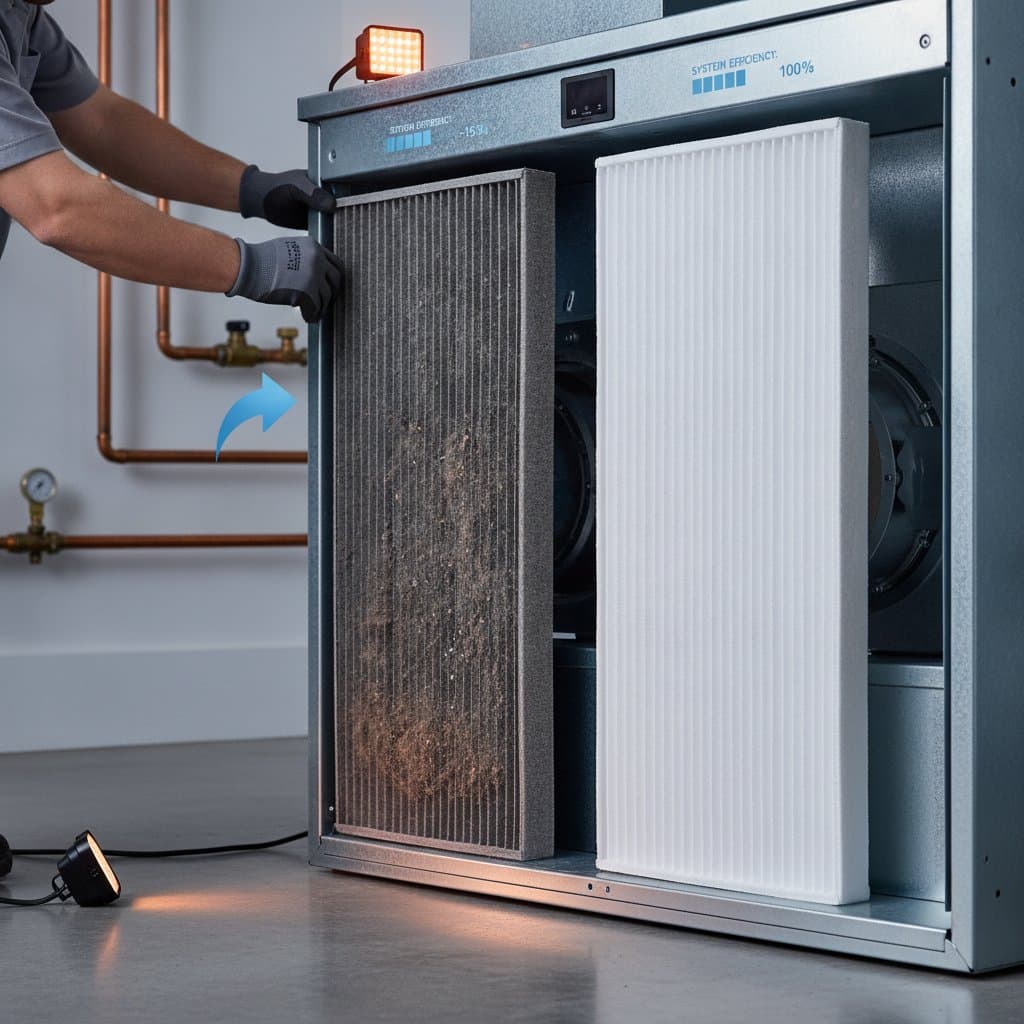
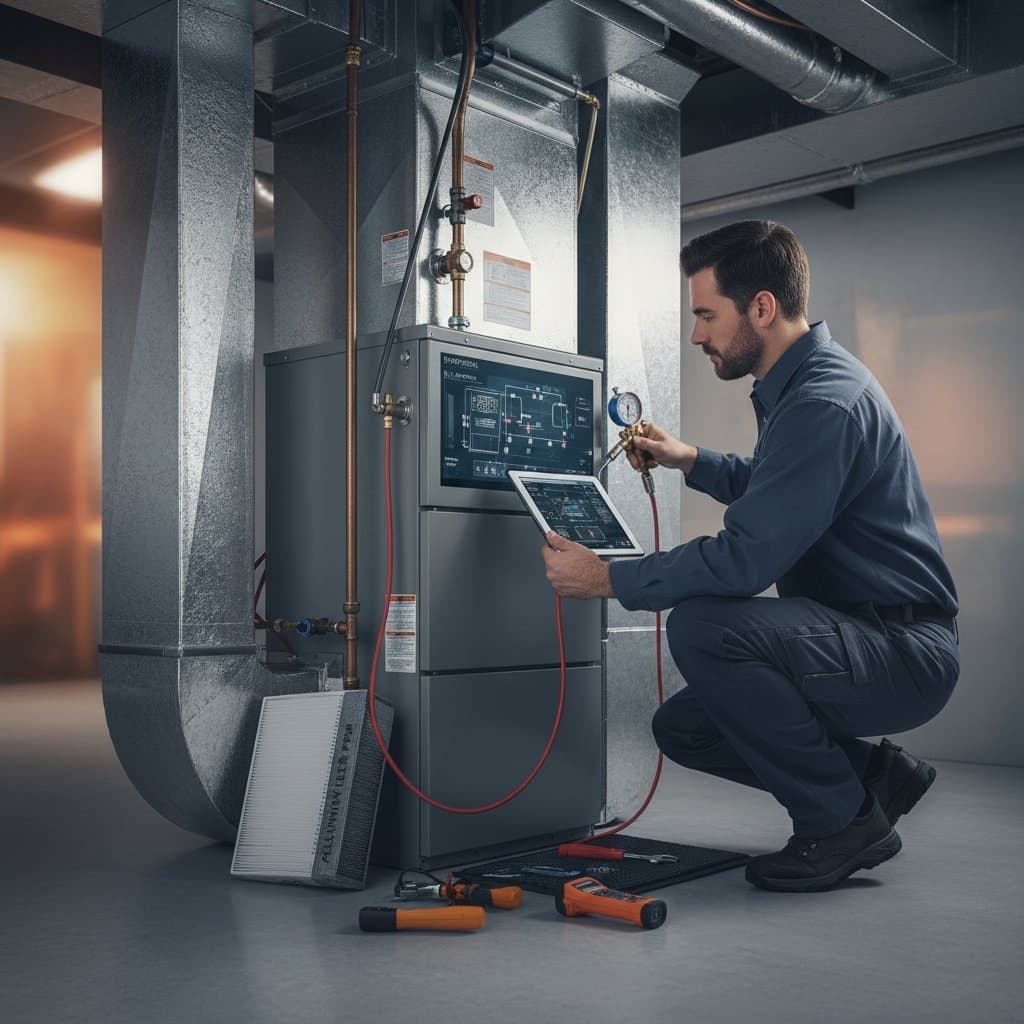
The technician swapped the filter, inspected electrical links, cleared the burners, and confirmed register airflow. A detailed report outlined efficiency metrics and gas pressure data, instilling assurance in the furnace's winter readiness.
Steps to Maintain Peak Performance Year-Round
Post-tune-up vigilance sustains system health. Monthly filter checks prevent clogs that strain the blower. Annual battery replacements in thermostats ensure accurate temperature control.
Monitor for unusual noises or uneven heating, signaling potential issues. Clear outdoor vents of debris to facilitate unobstructed airflow. These habits minimize wear and extend intervals between professional interventions.
Benefits Realized Through Proactive Care
Investing in a fall tune-up yields tangible returns in comfort and savings. Efficient operation translates to lower utility bills and reduced environmental impact. Reliable heating fosters peace of mind, allowing focus on winter enjoyment rather than equipment worries.
Homeowners who prioritize maintenance report fewer disruptions and extended system life, often by several years. This strategic approach transforms seasonal preparation into a cornerstone of household resilience.