Essential Fall HVAC Maintenance to Reduce Winter Heating Costs
A reliable heating system ensures comfort during winter without excessive energy expenses. Homeowners frequently discover that their furnace or heat pump requires attention only after cold weather arrives. A comprehensive fall HVAC maintenance checklist addresses this issue by including cleaning, testing, and adjustments that maintain efficiency and safety.
This guide details the complete fall HVAC maintenance process. Each step receives explanation regarding its role in reducing energy costs and prolonging equipment lifespan. Emphasis remains on practical actions suitable for homeowners, with indications for professional involvement.
Step-by-Step Fall HVAC Checklist
The following checklist outlines key tasks to ready the system for winter. Certain items qualify as do-it-yourself projects, whereas others demand a licensed technician.
1. Replace or Clean Air Filters
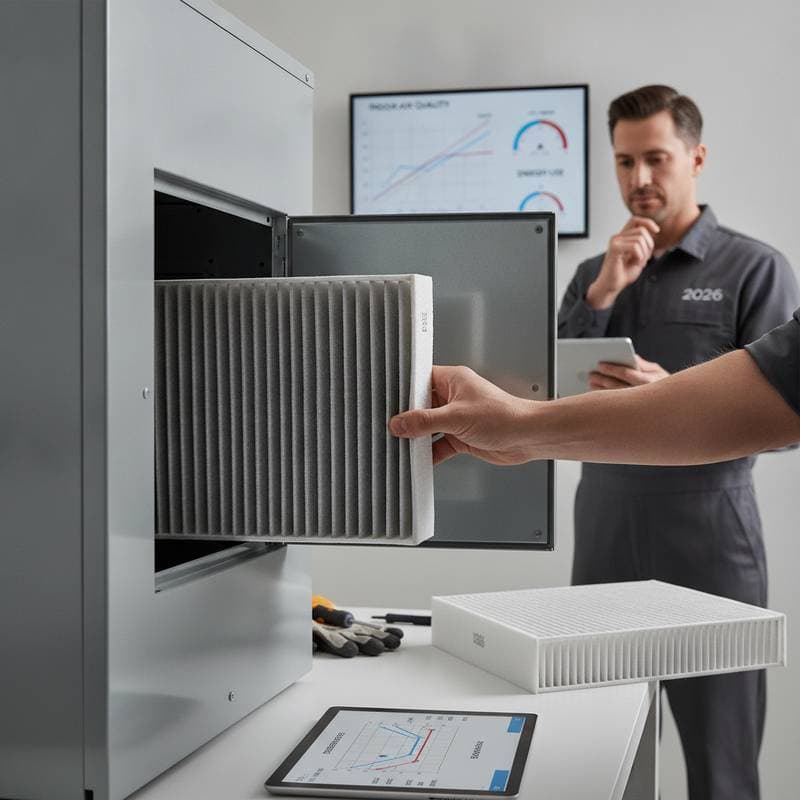
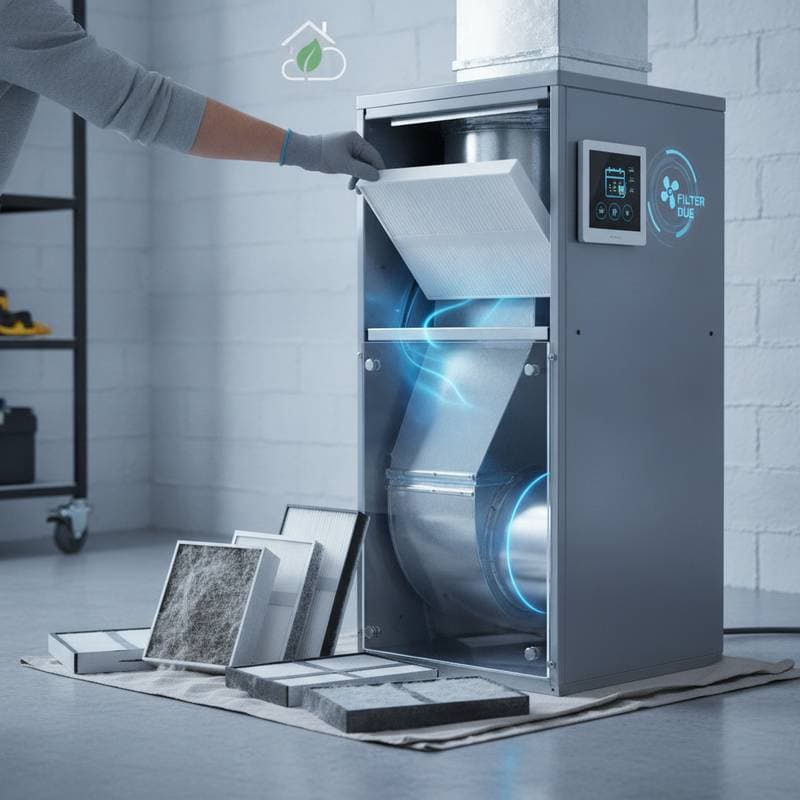
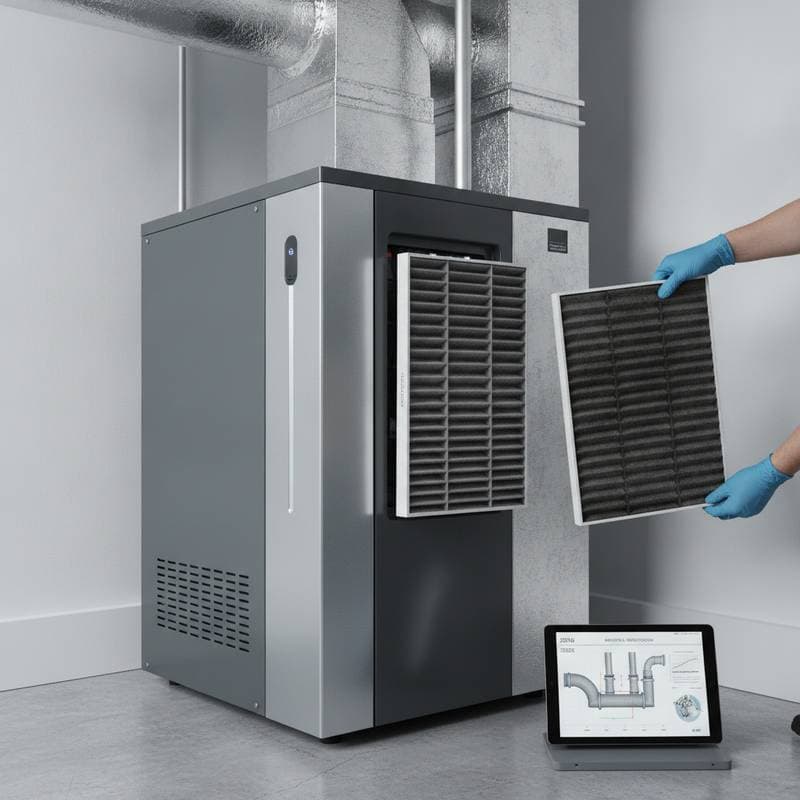
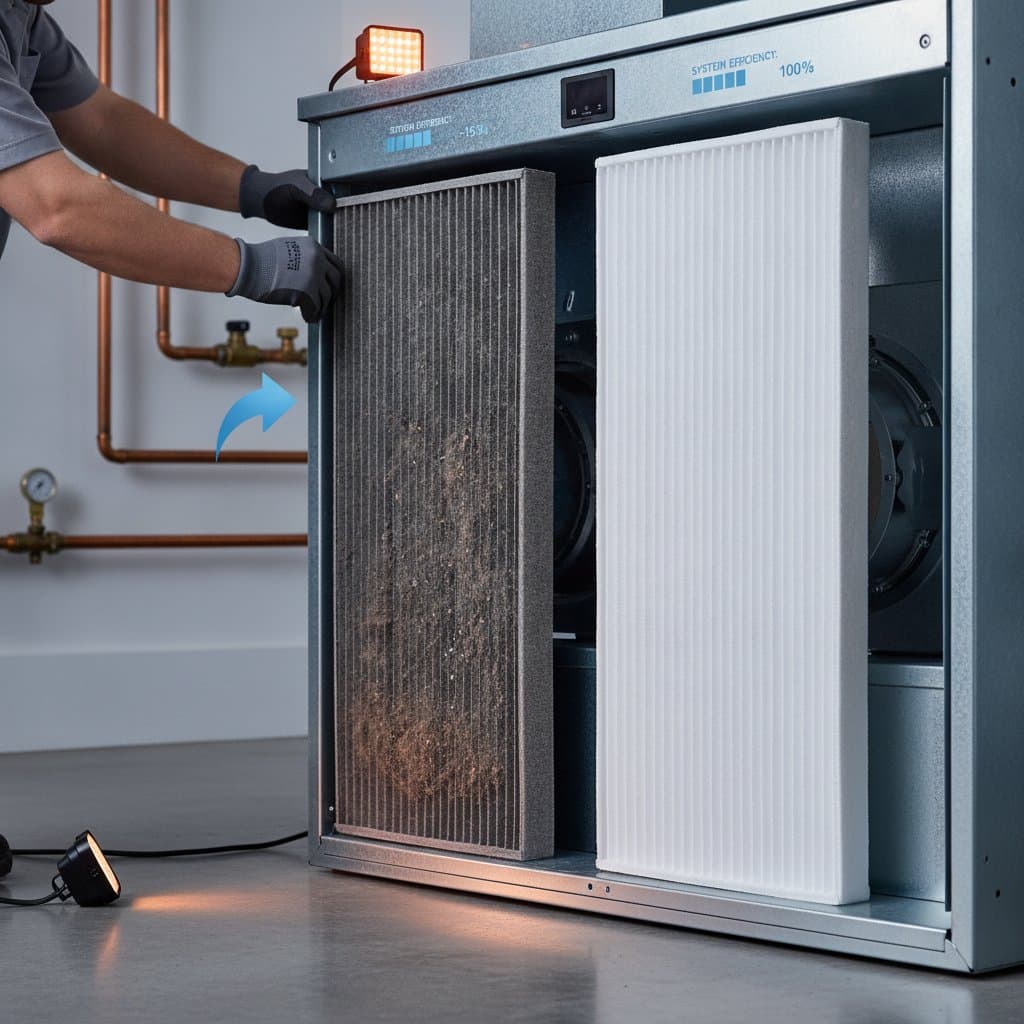
Dirty filters represent the primary reason for reduced heating efficiency. Inspect the filter monthly during peak operation periods. Replace it if dust or gray discoloration appears. Residences with pets or tobacco use often require more frequent replacements.
Select a high-efficiency pleated filter to enhance dust collection. Consult the equipment manual to confirm proper size and airflow orientation prior to installation.
2. Clear Vents and Registers
Obstructions in vents and registers restrict airflow and force the system to work harder. Remove furniture, rugs, or debris that block these areas. Vacuum dust from registers and ensure unobstructed paths for air circulation.
Proper clearance improves system performance and distributes heat evenly throughout the home. This simple action prevents uneven temperatures and supports overall efficiency.
3. Check the Thermostat
An inaccurate thermostat leads to unnecessary energy consumption. Set the device to heating mode and compare its reading against a separate room thermometer. Recalibrate or replace the unit if discrepancies occur or if the system fails to activate properly.
Programmable thermostats offer savings of up to 10 percent on heating expenses through automated adjustments and remote access. These devices adapt to occupancy patterns by modifying temperatures during absences.
4. Inspect Ductwork for Leaks
Leaks in ductwork cause significant heat loss, often up to 20 percent of conditioned air. Examine visible ducts for separations, holes, or loose connections, particularly in attics, basements, and crawl spaces. Apply mastic sealant or metal tape to repair minor issues.
Professional assessment proves beneficial for hidden or extensive leaks. Sealed ducts enhance air delivery, reduce strain on the system, and lower utility bills.
5. Inspect the Blower and Belts
Noises or vibrations typically arise from deteriorated belts or accumulated dirt on blower components. Disconnect power before any inspection. Access the panel to clean fan blades with a soft brush or vacuum attachment. Apply lubricant to motor bearings if the manufacturer specifies this maintenance.
Replace cracked or slack belts immediately. Such preventive measures avert major failures and maintain consistent operation.
6. Test the Heating System
Verify system functionality by running a full heating cycle. Listen for unusual sounds, monitor for even heat distribution, and check for error codes on digital displays. Ensure the pilot light ignites properly on gas furnaces or that electric elements activate without issues.
Document any irregularities, such as short cycling or inadequate warmth, for technician review. Early detection resolves problems before severe weather tests the equipment.
7. Seal Air Leaks and Insulate
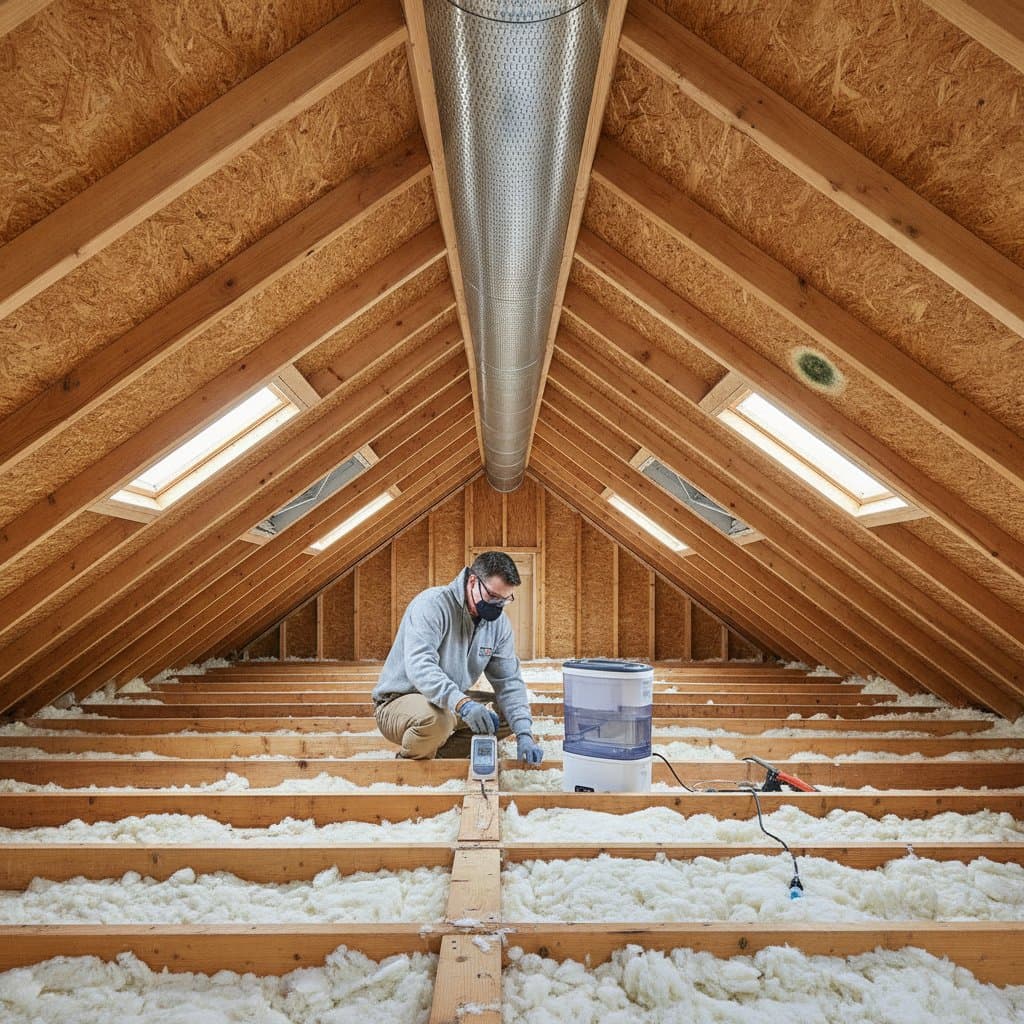
Escape routes for warm air include gaps around windows, doors, and duct connections. Apply weatherstripping to movable parts and caulk stationary cracks. Insulate attics and unheated duct sections with appropriate materials to minimize heat transfer.
These enhancements ease the HVAC workload and eliminate drafts for greater comfort. Proper insulation reduces heating demands by up to 15 percent.
8. Schedule a Professional Tune-Up
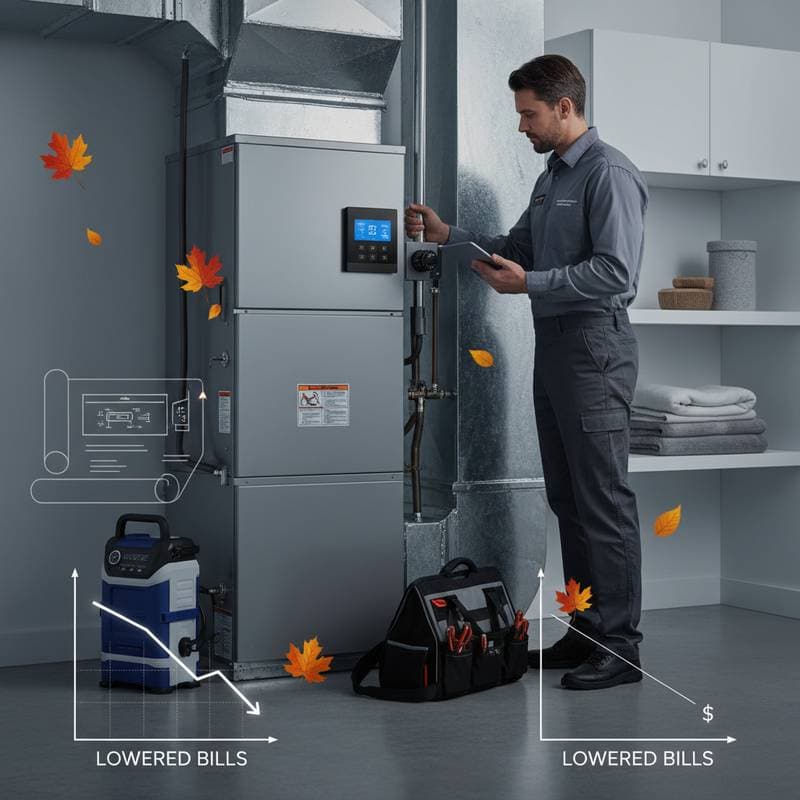
DIY efforts complement but do not replace expert evaluation. Technicians perform comprehensive inspections, including burner cleaning, gas pressure verification, electrical tightening, and airflow assessment.
Experts identify subtle faults, such as heat exchanger cracks or refrigerant deficiencies, prior to escalation. Request a detailed written summary of the inspection to maintain accurate records.
Common Questions About Fall HVAC Maintenance
How often should the HVAC system receive service?
Annual servicing occurs ideally in fall, ahead of intensive heating. A spring inspection benefits cooling components.
Does a clean home eliminate the need for filter changes?
Negative. Invisible particles like dust and allergens accumulate regardless. Clean filters sustain airflow and efficiency.
What indicates a furnace repair requirement?
Symptoms include inconsistent heating, odd odors, excessive cycling, or escalating bills. Prompt attention avoids winter disruptions.
Do ducts require annual cleaning?
Not routinely. Visible vent dust or persistent musty smells warrant cleaning. Prioritize filters and seals otherwise.
Insights from Homeowner Experiences
Homeowners frequently discuss outcomes on community forums and service platforms. One individual noted savings of almost 20 percent on winter bills following duct sealing and monthly filter replacements. Another recovered the cost of a programmable thermostat within one season through reduced furnace operation.
Technicians observe that most emergency winter calls stem from neglected fall maintenance. Consistent autumn care stabilizes energy consumption and sustains comfort levels.
Safety Considerations
Disconnect power sources before accessing furnace interiors. Avoid placing furniture near air returns or supply vents. Store combustible materials distant from heating units. Install carbon monoxide detectors for fuel-burning systems. Engage qualified professionals for gas or electrical concerns.
Adherence to these practices minimizes risks and promotes secure operation during low temperatures.
Sustaining System Performance
Investing effort in fall yields substantial winter benefits. Clean filters, secure ducts, and calibrated furnaces collectively decrease expenses and prolong durability. Followers of structured checklists experience reduced repair frequency and reliable warmth.
Establish annual reminders for these procedures prior to initial frosts. Track filter replacements and service dates in a log. Patterns such as delayed heating or bill increases signal the need for further action or upgrades.
Routine checks, including monthly vent inspections and detector tests, safeguard both comfort and security. A meticulously maintained HVAC system delivers enduring efficiency and dependability.
Immediate Actions to Take
Commence with accessible tasks this week: swap filters, verify thermostat accuracy, and unobstruct vents. Book a technician visit promptly to complete preparations before heating season intensifies.