Why Fall HVAC Filter Changes Boost Efficiency
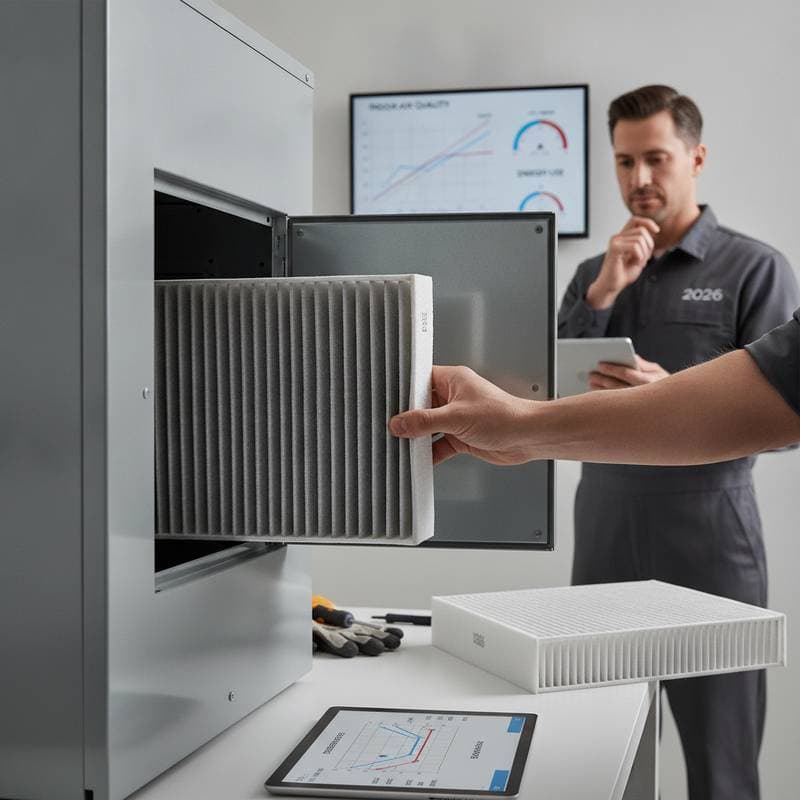
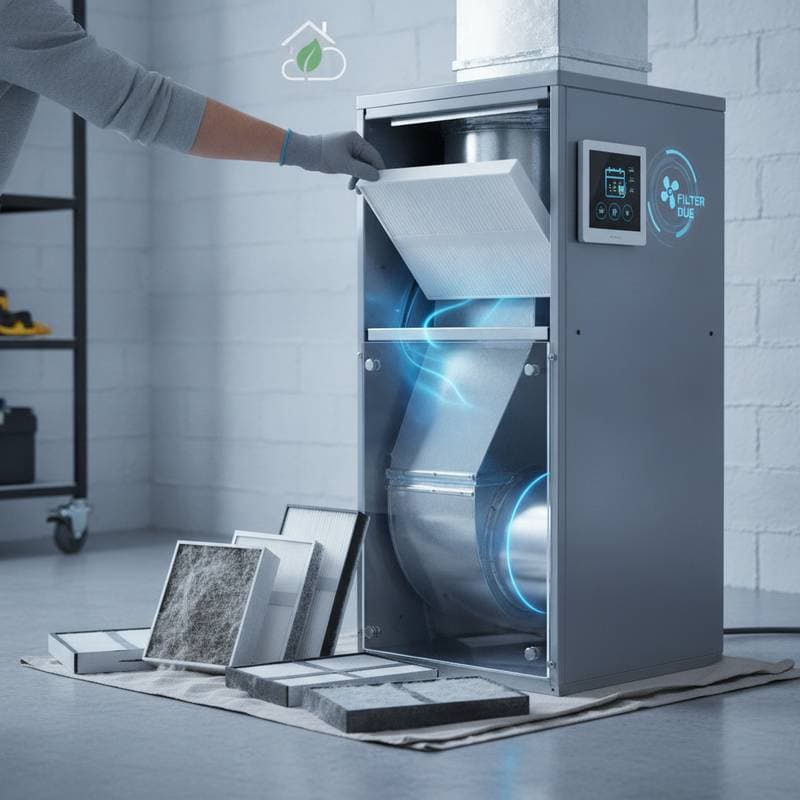
Cooler weather prompts homeowners to prepare heating systems, yet many neglect a basic task that greatly enhances performance: replacing the HVAC filter. As seasons shift from summer to fall, indoor air quality needs change. Summer accumulations of dust, pollen, and debris can block airflow when heating resumes. Fresh filters before intense heating use maintain smooth operation, cut energy use, and prolong HVAC equipment lifespan.
Understanding HVAC Filter Cost Fundamentals
HVAC filter replacement costs differ by location and provider. Nationally, professional services range from 35 to 150 dollars per visit, influenced by filter quantity, system design, and access ease. DIY replacements cost 10 to 50 dollars per filter, depending on material quality and filtration level.
Local variations stem from labor rates and supply access. Urban areas impose higher fees due to operational expenses, whereas rural zones offer lower rates with limited choices. Fall timing affects prices; early services cost less than peak-season emergencies when schedules fill quickly. Broader economic factors, such as fuel and material prices, also shape these expenses.
Pricing Models and Service Structures
Providers adopt diverse pricing approaches. Hourly billing averages 80 to 120 dollars, while flat fees depend on service extent. Bundle options combine filter swaps, duct checks, and cleanings at reduced rates versus separate bookings.
Subscription plans appeal to those seeking steady expenses and regular care. These cover two to four annual visits for 150 to 400 dollars, varying by system scale and area. Single changes save initially but lack follow-up checks, potentially raising future costs through overlooked problems.
Service Tiers and Their Price Points
Filter services divide into tiers with distinct costs.
Basic service swaps standard fiberglass or pleated filters with a quick system review. It ranges from 35 to 75 dollars, suiting well-maintained or modern setups.
Standard service installs mid-grade pleated filters, tests airflow, and inspects ducts and vents visually. Costs fall between 75 and 125 dollars, fitting typical homes.
Premium service uses HEPA or electrostatic filters, adds sanitization, and monitors performance thoroughly. Prices start at 125 to 200 dollars, favored by allergy or pet owners for air quality gains.
Specialized service for businesses or expansive residences exceeds 250 dollars. It handles multi-zone swaps, advanced tests, and tricky installations.
Key Variables Influencing HVAC Filter Pricing
Service scope drives costs most directly; bigger properties demand more filters and time. System complexity adds expense, as multi-access or unusual designs extend labor.
Filter type alters prices sharply. Inexpensive fiberglass options require frequent swaps, while durable pleated or HEPA versions trap finer particles at higher initial cost but better value. Job duration spans 15 minutes for basics to over an hour for complexes.
Tools and materials factor in too. Certain systems need unique equipment or brand-specific filters. Skilled, licensed technicians command premium rates, offering guarantees and safety that self-service lacks.
Add-on Services and Supplemental Charges
Providers suggest extras to improve reliability.
- Duct cleaning costs 300 to 600 dollars based on home size, clearing dust that shortens filter life.
- Thermostat calibration runs 75 to 125 dollars, optimizing control for steady airflow.
- System sanitization charges 100 to 200 dollars, removing microbes that harm air quality.
- Priority scheduling adds 25 to 50 percent to fees, ideal for seasonal prep or property transitions.
Why Fall Is the Ideal Time for Filter Replacement
Fall swaps prepare heating for winter demands. Summer cooling draws in contaminants that linger in ducts. Heating then recirculates them without fresh filters, harming efficiency and air.
Clean filters cut energy use by 5 to 15 percent per studies, yielding bill savings. They ease blower and exchanger strain, preventing expensive repairs.
Choosing the Right Filter for Efficiency
Filters use the MERV scale for particle capture; higher numbers handle tinier debris. Residential systems benefit from MERV 8 to 11 for airflow-filtration balance. Ratings above 13 suit fine-particle needs but risk restriction in standard setups.
Polyester or cotton pleated filters outperform fiberglass. Washable electrostatic types cut repeat costs despite upfront price. HEPA options excel for allergies, often needing pro setup due to thickness.
Expert Insights and Benchmarks
The Air Conditioning Contractors of America reports that 60 percent of service calls trace to airflow blocks from dirty filters. Certified technician Lisa Gomez observes that seasonal changers experience fewer issues and smaller bills. She adds that regular swaps extend furnace life by three to five years over sporadic care.
Advocacy groups advise monthly to bimonthly checks during peak use. Dusty or humid areas demand more often. Pet or health-focused homes gain from efficiency upgrades.
Long-Term Benefits of Regular Fall Maintenance
Beyond savings, routine changes foster healthier spaces. Trapped allergens reduce allergy and breathing problems.
They protect investments too. Clogs overwork components, causing failures. Scheduled care maintains balance, quiet operation, and repair avoidance, with cumulative gains surpassing filter expenses.
Making It Happen: A Practical Maintenance Plan
Build a fall routine with seasonal and mid-winter inspections. Partner with providers for pro support and easy booking.
Pair swaps with duct views and thermostat tweaks for full optimization. Seasonal bundles often lower costs while enhancing dependability.
Fall care secures budgets, air purity, and steady warmth in a quiet, efficient system.