Essential Fall HVAC Checks for Worry-Free Winters
A cold snap arrives sooner than expected, and a furnace that fails to start disrupts any cozy evening. Fall provides the ideal opportunity to prepare the heating system for impending low temperatures. Simple HVAC checks at this time prevent malfunctions, prolong equipment lifespan, and control energy expenses. This guide details the key fall maintenance steps to deliver a warm and reliable winter experience.
Why Fall HVAC Maintenance Matters
As temperatures decline, the heating system operates as the most demanding appliance in the residence. Accumulated dust, obstructed filters, or unsecured electrical links lead to inadequate air movement, elevated utility expenses, and potential safety risks. Conducting a tune-up prior to the heating season identifies minor problems early and avoids urgent service visits during peak demand periods.
A properly maintained furnace or heat pump consumes up to 15 percent less energy and endures several additional years compared to a neglected unit. This modest time commitment for seasonal upkeep yields returns through reduced expenses and fewer uncomfortable nights.
Step 1: Replace or Clean Air Filters
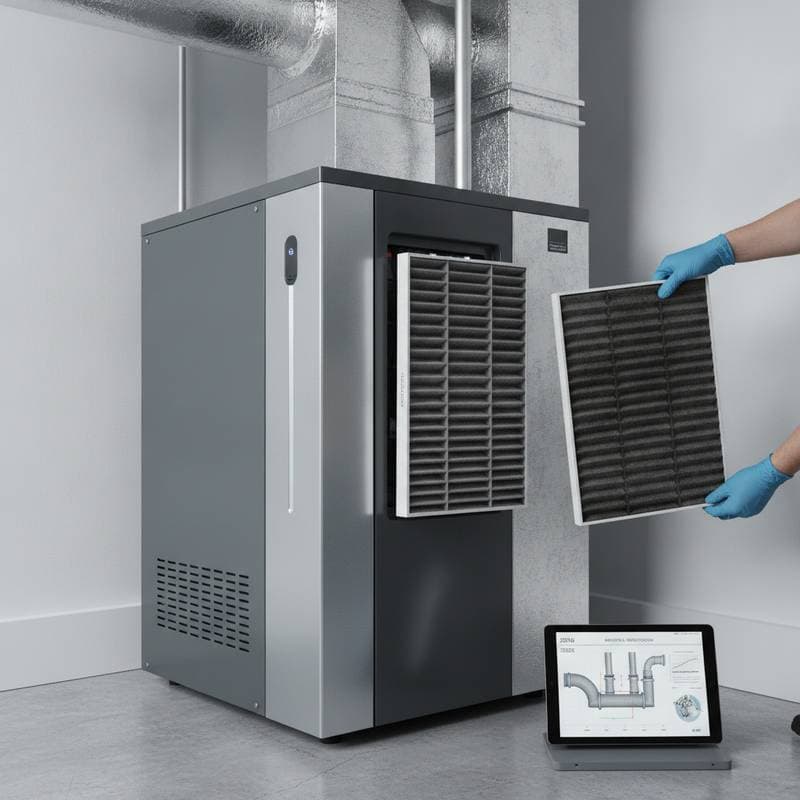
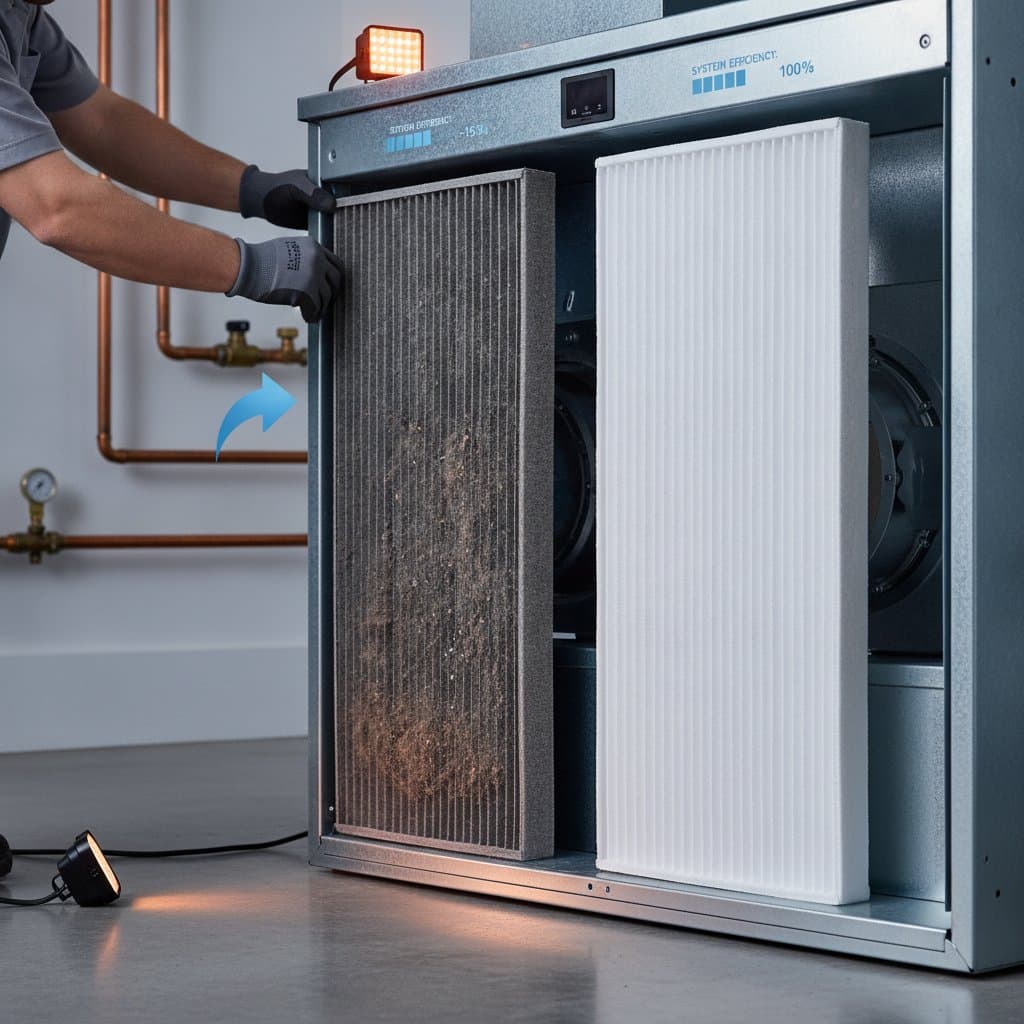
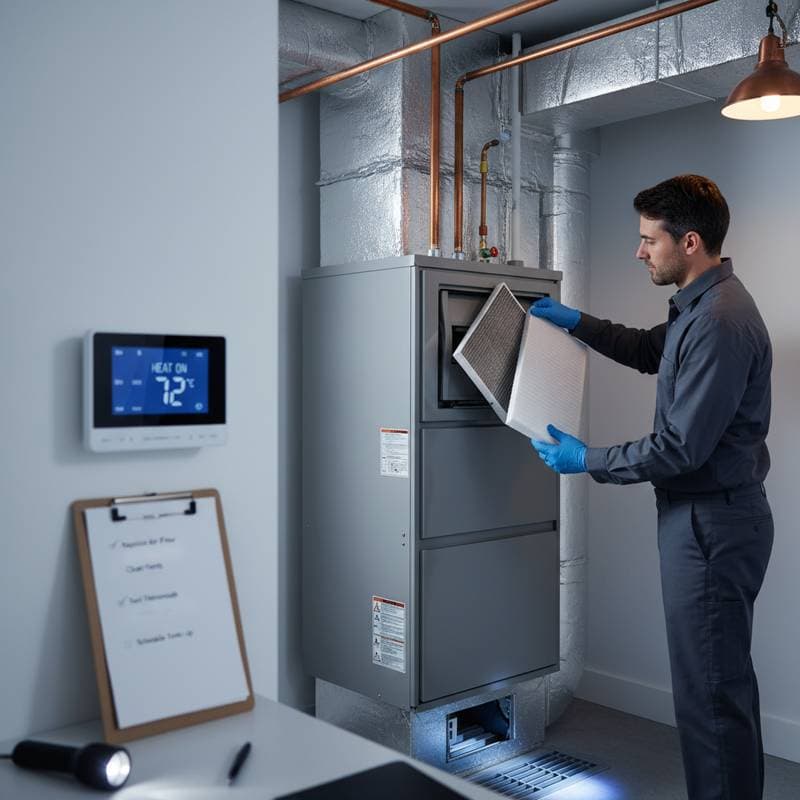
Air filters serve as the primary barrier for the HVAC system. A soiled filter impedes airflow, compelling the blower motor to strain and diminishing system performance. Replace most disposable filters every 30 to 90 days, and clean reusable ones on the same interval.
Select a filter with a Minimum Efficiency Reporting Value (MERV) rating of 8 to 12. This selection offers effective particle capture while preserving adequate airflow. In households sensitive to allergens, a MERV 11 or 12 filter captures fine elements such as pollen and pet dander without overburdening the equipment.
Step 2: Inspect and Clean Vents and Registers
Obstructed vents compromise heating distribution and generate inconsistent room temperatures. Inspect each space to confirm that supply and return vents remain open and free from barriers like furniture or drapes. Employ a vacuum equipped with a soft brush to eliminate dust from vent covers and adjacent grilles.
Significant dust accumulation or a musty smell signals the need for expert duct cleaning. Over years, ducts gather debris, animal fur, and possibly mold, which impacts air purity and circulation equilibrium.
Step 3: Check the Thermostat Calibration
The thermostat regulates system operation cycles, so precision proves essential. If the interior feels cooler or warmer than the displayed setting, position an independent thermometer adjacent for comparison. A variance exceeding 2 degrees typically requires recalibration or substitution.
Upgrade to a programmable or smart thermostat for enhanced performance. Program reduced settings during sleep or absence periods to cut heating costs by up to 10 percent. Mount the device on an interior wall, distant from windows, doors, or heat emitters to prevent inaccurate measurements.
Step 4: Examine the Furnace and Blower Area
Prior to initial activation, perform a detailed visual review of the furnace. Remove the access panel to scan for dust, corrosion, or dampness. Clean the blower fan and motor enclosure with a soft brush or vacuum, and verify that wiring connections hold firm with no remnants of tools or debris inside the enclosure.
Turn off the power supply before any internal work. If gas odor or soot appears near the burner, deactivate the system at once and contact a certified HVAC professional. Such indicators point to combustion problems unsuitable for amateur resolution.
Step 5: Test Ignition and Pilot System
In gas furnaces, the ignition mechanism holds vital importance. Contemporary units feature electronic igniters, whereas older models use a continuous pilot light. Verify that the flame appears steady and blue, without wavering or yellow hues. A yellow flame suggests incomplete burning, which risks carbon monoxide release.
If inspection feels daunting, entrust this task to a technician during a service visit. Professionals ensure safe operation and detect subtle issues that affect reliability.
Step 6: Clear the Condensate Drain Line
High-efficiency furnaces generate condensate during function. The drain line directs this liquid away, yet blockages from algae or residue occur frequently. Flush the line with a cup of white vinegar trailed by warm water. Confirm the tubing connects securely and discharges unhindered into the designated drain or reservoir.
Perform this maintenance monthly during the heating season to sustain clear passage. Clogged drains force system shutdowns and promote water damage in the vicinity.
Step 7: Inspect Outdoor Units and Heat Pumps
For heat pump or hybrid setups, fall care extends to exterior components. Remove leaves, twigs, and refuse encircling the outdoor unit, preserving a 24-inch clearance on every side for optimal ventilation. Use a fin comb to realign any deformed fins, and rinse the coil with a gentle hose spray. Avoid high-pressure washing to protect the fragile aluminum structure.
Tighten any loose panels or electrical covers during this review. These actions maintain heat transfer efficiency and avert strain on the indoor components.
Step 8: Schedule a Professional Tune-Up
DIY efforts cover basics, yet comprehensive evaluation demands expertise. A licensed technician assesses gas pressure, ignition sequence, heat exchanger condition, airflow metrics, and safety mechanisms. The service fee ranges from 75 to 150 dollars, a fraction of emergency repair or early replacement costs.
Book the appointment early in fall to sidestep seasonal delays. Technicians often identify wear patterns invisible to homeowners, extending system longevity.
Common Mistakes to Avoid
- Neglecting to disconnect power prior to component cleaning
- Positioning rugs or furniture over supply vents
- Overlooking yearly expert evaluations
- Selecting incorrect filter dimensions or MERV levels
- Disregarding odd sounds or frequent on-off cycles
Accessibility and Safety Considerations
HVAC maintenance supports inclusive home environments, particularly for families with young children, elderly members, or mobility challenges. Ensure vents position at accessible heights and avoid placements that require ladder use for basic checks. Install carbon monoxide detectors near sleeping areas and test them biannually to safeguard against combustion risks.
For those with respiratory conditions, prioritize high-MERV filters and regular duct cleaning to minimize airborne irritants. Professional services accommodate special needs, such as quiet operation testing for noise-sensitive individuals. These measures promote equitable comfort and health throughout the household.
Steps to Implement Maintenance Now
Fall HVAC preparation fosters tranquility. Consistency in filter changes, vent inspections, and expert tune-ups sustains system vitality without requiring specialized knowledge. A pristine and calibrated furnace reduces energy demands, enhances safety, and delivers steady warmth across the winter months.