Essential Fall Tune-Ups to Avoid Winter HVAC Woes
A furnace failure during the first cold snap ranks among the most frustrating experiences for homeowners. Fall provides the ideal window to prepare the heating system before temperatures plummet. Proactive maintenance maintains warmth in the home, stabilizes energy costs, and ensures safe operation throughout the season.
Why Fall HVAC Maintenance Matters
As temperatures drop, the HVAC system operates under greater strain than during warmer months. Accumulated dust, deteriorating components, and minor leaks diminish performance and risk complete breakdowns. A comprehensive fall tune-up cleans, adjusts, and readies the system while identifying potential issues at an early stage.
Consistent upkeep improves energy efficiency by as much as 15 percent, prolongs equipment lifespan, and enhances indoor air quality. Above all, it delivers confidence that reliable heat arrives precisely when required.
The Quick Checklist: What Every Homeowner Should Do
Homeowners can manage several foundational tasks independently before engaging experts. These actions establish a solid foundation for effective fall HVAC care.
-
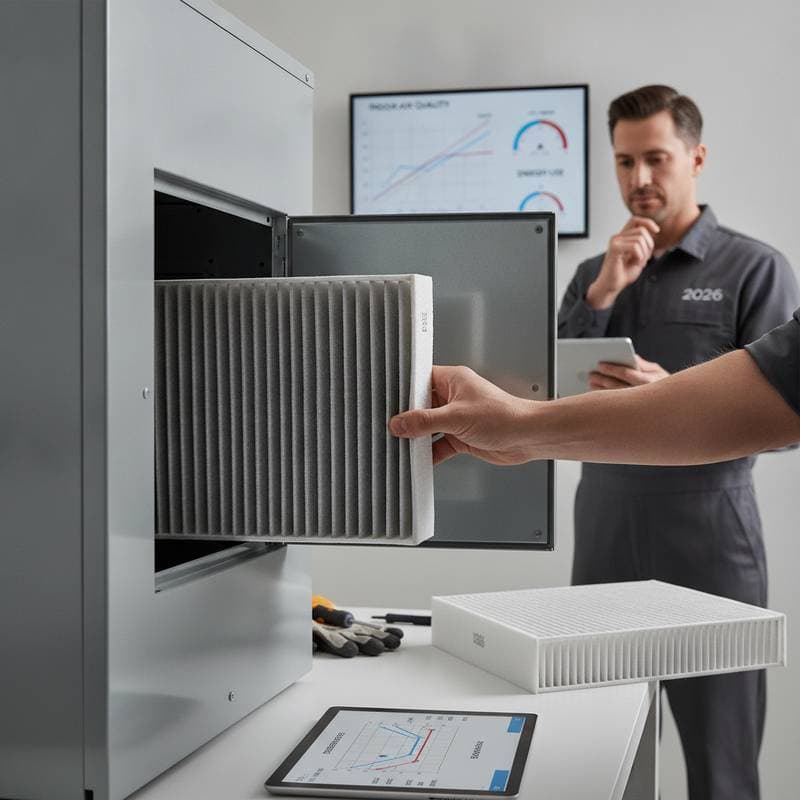
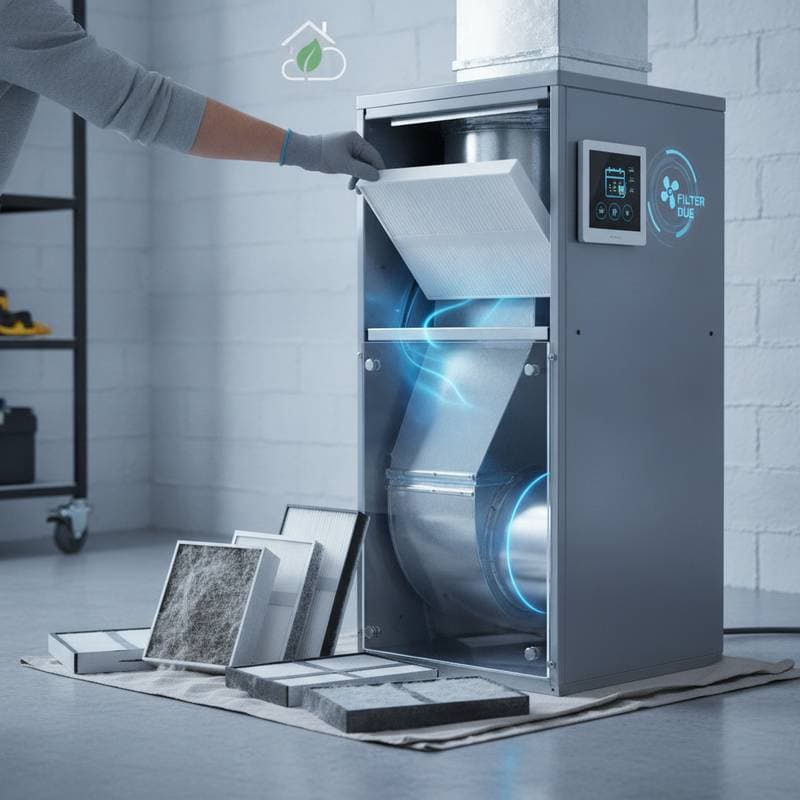
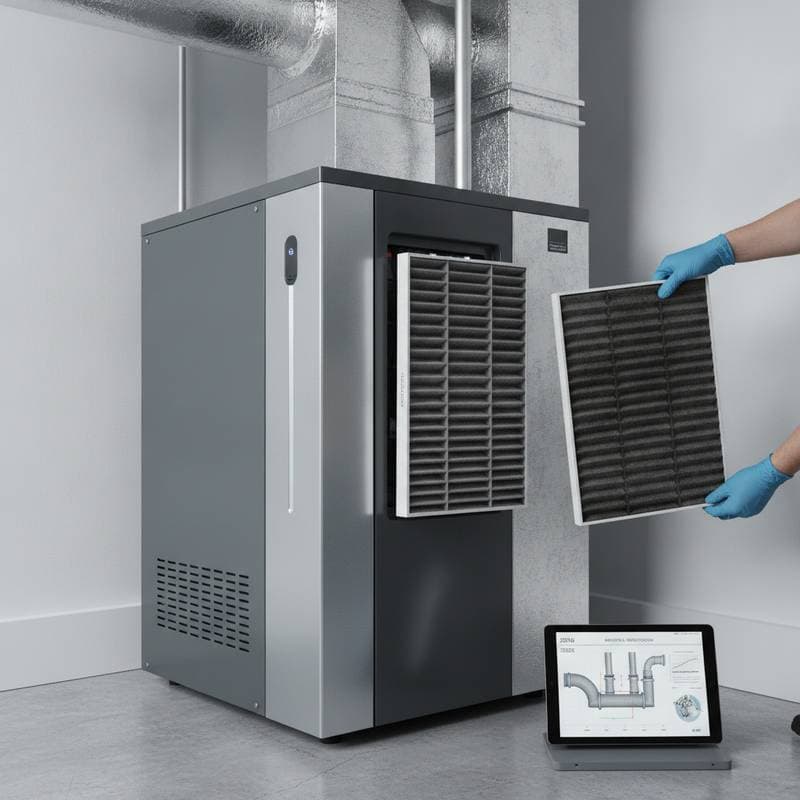
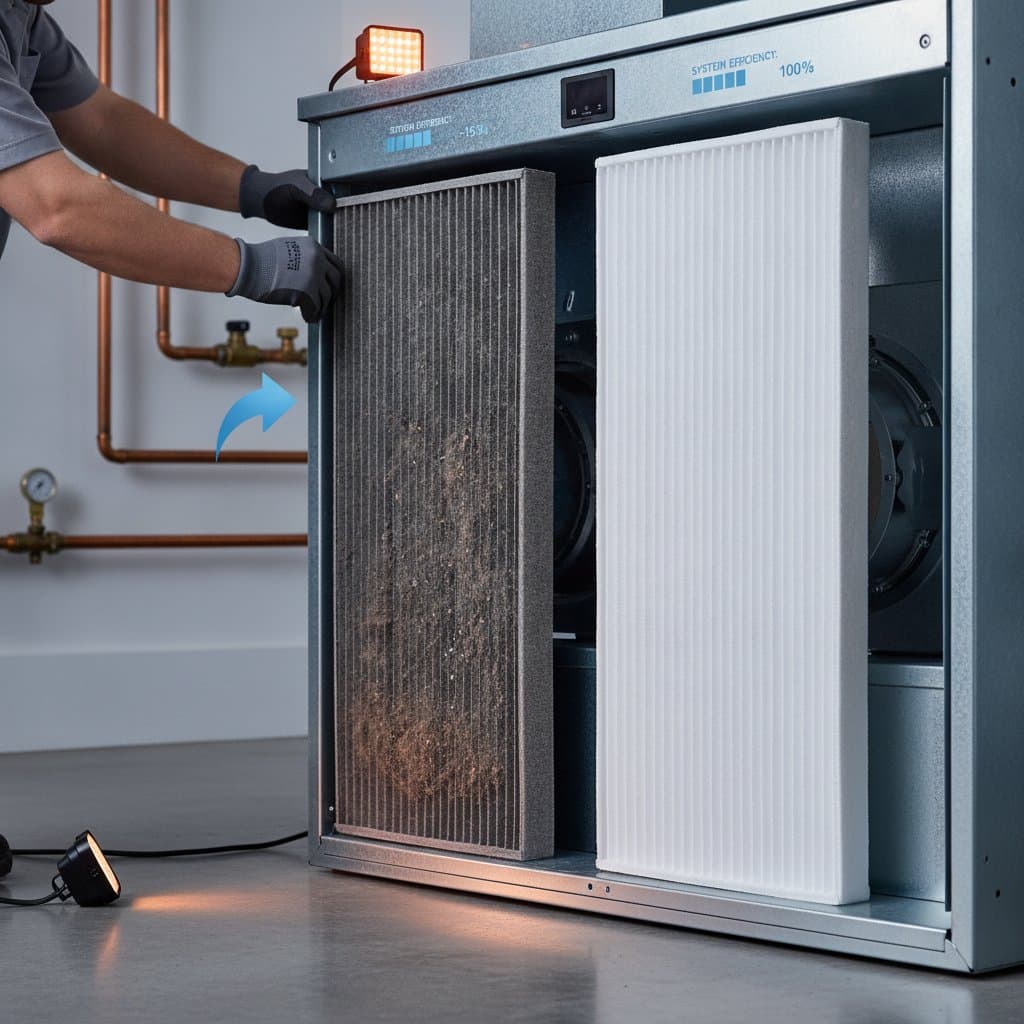
Replace or clean air filters. Dirty filters impede airflow and strain the furnace. Swap out disposable filters or rinse reusable versions every 30 to 90 days, selecting MERV 8 to MERV 11 ratings to balance filtration and system performance.
-
Clear vents and registers. Shift furniture, carpets, and drapes from vent locations. Obstructions lead to inconsistent heating and increased energy consumption. Use a vacuum to remove dust and pet hair from registers, promoting unrestricted air circulation.
-
Inspect thermostat settings. Switch the thermostat to heating mode and verify prompt response. For programmable units, program reduced temperatures during sleep or absence periods to optimize energy use without sacrificing comfort.
-
Check outdoor components. Remove leaves, twigs, and debris surrounding the outdoor condenser unit. Preserve a minimum 24-inch clearance on all sides to facilitate adequate airflow and prevent overheating.
-
Test carbon monoxide detectors. Heating systems generate combustion byproducts that require safe venting. Confirm detector functionality and install new batteries to safeguard occupants from potential hazards.
Professional Tune-Up Essentials
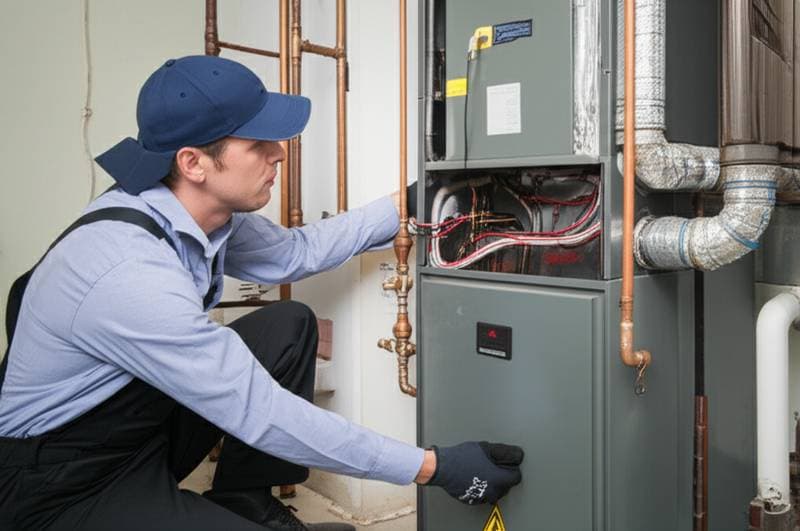
Certified technicians conduct in-depth inspections using specialized equipment and expertise. In a standard fall service, professionals address the following:
- Thorough cleaning of burners, heat exchangers, and blower assemblies to eliminate soot and residue.
- Application of lubricants to bearings and motors, minimizing friction and extending component durability.
- Evaluation of gas pressure levels and electrical wiring integrity to ensure stable operation.
- Testing of safety switches, ignition sequences, and limit controls for reliable performance.
- Measurement of airflow rates and temperature differentials to confirm optimal heating output.
Professional services typically range from $80 to $200, representing a modest expense compared to emergency repairs that may exceed several hundred dollars.
Common Mistakes to Avoid
Numerous homeowners delay maintenance until problems arise, often resulting in heightened stress during peak demand periods. Postponing action until winter arrives overloads service providers and may leave families without heat for extended durations. Steer clear of these frequent errors:
- Overlooking unusual sounds, such as rattling or humming, or odors like burning dust from the furnace.
- Neglecting routine filter replacements, which accelerate wear on the entire system.
- Positioning large items in front of return air vents, restricting essential circulation.
- Undertaking intricate diagnostics or fixes without appropriate certification or safety gear.
For aging furnaces or instances of irregular heating patterns, arrange a technician visit well in advance of seasonal rushes.
Accessibility and Safety Considerations
Households with members facing mobility limitations benefit from thermostats positioned at 48 inches above the floor for easy reach. Ensure unobstructed paths to vents and the furnace area to support independent adjustments. For fire prevention and service convenience, uphold a three-foot perimeter around the furnace and water heater, free of flammable materials.
Tools You Will Need for DIY Maintenance
Basic fall preparations require minimal equipment. Assemble these essentials for efficient work:
- A set of screwdrivers to secure and remove vent covers.
- Vacuum cleaner equipped with a hose and brush attachments for thorough cleaning.
- Stock of compatible replacement air filters matched to your system specifications.
- Soft-bristled brush for gently removing surface dust from accessible parts.
- Flashlight to illuminate confined areas during visual inspections.
Prior to any internal cleaning, disconnect power to the furnace at the breaker to eliminate electrical risks.
Steps to Schedule Your Fall Maintenance
Effective HVAC preparation extends beyond immediate comfort to encompass predictable utility expenses, averted crises, and protection against freeze-related damages. Initiate with these DIY measures, followed by a professional evaluation prior to the initial freeze. Contact a qualified local technician to secure your home's heating reliability and efficiency for the entire winter ahead.