Enhance HVAC Performance: Fall Maintenance Plan and Practical DIY Advice
As temperatures drop, the heating and cooling system assumes a central role in maintaining home comfort. An organized fall HVAC maintenance plan equips the system to handle declining weather conditions and minimizes the risk of expensive malfunctions during peak usage. Homeowners often overlook that autumn represents an optimal period for transitioning from cooling to heating modes. This season offers the ideal opportunity to examine filters, evaluate airflow, and ready all elements for dependable operation amid colder days.
The following guide outlines how to develop a comprehensive fall HVAC maintenance plan, incorporating straightforward DIY activities that require no professional intervention. Through these targeted actions, individuals can prolong the operational lifespan of their equipment, decrease energy consumption, and secure reliable heating precisely when required.
Key Procedures in a Fall HVAC Maintenance Plan
A well-structured fall plan adheres to a logical sequence. Prioritizing tasks in this manner avoids omissions and guarantees thorough attention to every aspect.
1. Swap or Clean Air Filters
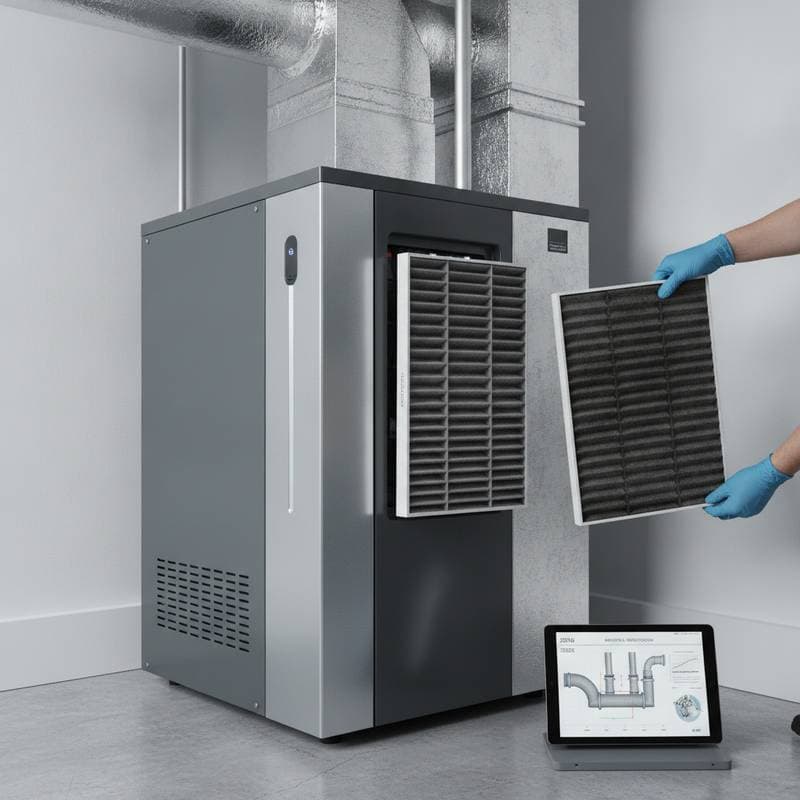
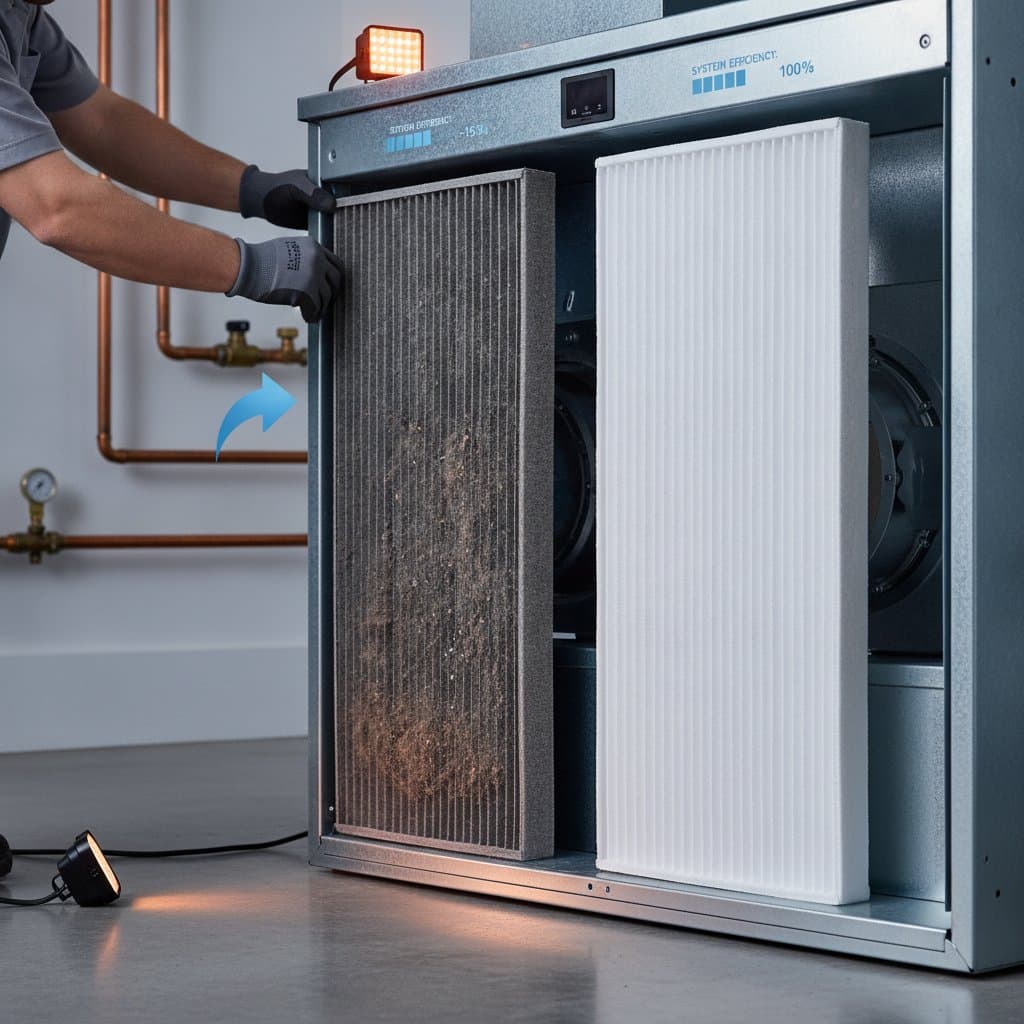
Air filters trap dust particles, pet dander, and pollen allergens. Clogged filters restrict airflow, compelling the system to operate under strain. For disposable filters, perform replacements every one to three months; for reusable variants, follow manufacturer guidelines for washing. Record the replacement date directly on the filter frame to facilitate timely future updates.
2. Examine the Thermostat
An inaccurately reading thermostat leads to unnecessary energy expenditure. Verify functionality by adjusting the setting a few degrees higher or lower than the ambient room temperature. Observe whether the system activates or deactivates promptly. In cases of delayed response, inspect battery levels or calibration options. Programmable smart thermostats optimize savings by adapting to daily routines and automating adjustments.
3. Clear Debris from the Outdoor Unit
Autumn foliage, branches, and soil accumulate around the exterior condenser unit. Employ a soft-bristled brush or a hose with low water pressure to dislodge buildup. Ensure a minimum clearance of two feet around the unit on all sides. Trim back encroaching bushes or tall grass to facilitate unrestricted airflow and deter pest habitation near ventilation openings.
4. Inspect Air Vents and Ductwork
Obstructed vents result in inconsistent temperature distribution. Relocate furniture or curtains that impede access to registers, then vacuum the grille surfaces. Should airflow appear diminished or produce whistling noises, duct leaks may be present. Apply foil-backed tape to seal any observable gaps; for extensive evaluations, engage a qualified specialist.
5. Verify Safety Mechanisms
Critical safety elements, including carbon monoxide alarms and ignition sources, demand reliable operation. Renew batteries in detection devices and ensure the furnace ignites without residue. Immediate shutdown of the system and consultation with a certified technician become necessary if gas odors or carbon deposits appear.
Preparing the Air Conditioner for Winter Storage
Numerous homeowners neglect air conditioning units prior to winter onset. Appropriate preseason preparations preserve system integrity and forestall rust development.
- Apply a specialized coil cleaning solution to the evaporator and condenser coils, followed by a gentle rinse to remove residues.
- Encase the outdoor unit in a permeable, water-resistant cover designed for HVAC equipment; steer clear of non-breathable plastic materials that retain humidity.
- Interrupt power supply via the external disconnect switch to eliminate risks of unintended activation in subfreezing conditions.
- Review refrigerant piping for insulation deterioration; substitute frayed coverings with fresh protective sleeves to shield against ice formation.
Investing mere minutes in these preparations yields substantial time and cost benefits upon reactivation in the following spring.
Frequently Asked Questions on Fall HVAC Maintenance
How Frequently Should Professional Servicing Occur?
Annual professional servicing suits the majority of systems. Technicians address advanced procedures, such as measuring refrigerant pressures, purging internal evaporator coils, and validating electrical integrity. Systems in older homes or those operating continuously benefit from twice-yearly evaluations.
What Thermostat Setting Promotes Energy Efficiency?
Experts recommend lowering the temperature during sleep or absence from home. Adjustments of several degrees across active and inactive periods can curtail heating expenses by as much as ten percent, all while preserving livable conditions.
Is Maintenance Dispensable if the System Appears Operational?
Foregoing maintenance may yield no instant repercussions, yet it heightens vulnerability to subsequent failures. Filters accumulate obstructions gradually, motors deplete lubricants, and sensors deviate from accuracy. Such incremental changes erode efficiency progressively and abbreviate overall equipment durability.
Does Duct Cleaning Prove Essential?
Duct cleaning benefits scenarios involving visible dust emission from vents, musty odors, or irregular airflow patterns. In households with pets or allergy sufferers, periodic duct assessments every few years sustain superior air purity.
Developing a Dependable Maintenance Routine
A systematic approach prevents oversights in upkeep. Categorize responsibilities into these tiers for streamlined execution:
Monthly Tasks:
- Inspect and address filter condition.
- Dust vent covers.
- Monitor for atypical operational noises.
Seasonal Tasks (Emphasizing Fall):
- Validate thermostat responsiveness and safety apparatus.
- Review duct integrity and exterior components.
- Apply lubricant to accessible mechanical elements.
Annual Tasks:
- Arrange expert system appraisal.
- Renew deteriorated belts and gaskets.
- Verify adequate refrigerant charge.
Maintaining a physical or electronic log of completed items fosters accountability and regularity in maintenance efforts.
Insights from Homeowners and Industry Professionals
Participants in online home improvement communities frequently recount experiences of equipment enduring for decades through diligent care. One contributor to a prominent repair discussion forum remarked, "I spend less than an hour each month on basic checks, and my furnace has run trouble-free for over ten years." Professionals affiliated with leading trade organizations corroborate these accounts, indicating that consistent maintenance halves the incidence of failures relative to neglected systems.
Execute Your Fall HVAC Strategy Now
Adopting these practices transforms routine upkeep into a proactive safeguard for home comfort. Homeowners who integrate seasonal checks report not only reduced utility statements but also fewer disruptions during harsh weather. Begin with the monthly essentials today to build momentum toward a resilient, efficient heating season ahead.