Essential Fall Tune-Ups to Keep Your Home Warm This Winter
As temperatures drop, the heating system in your home emerges as a critical element for comfort and safety. A strategic fall tune-up maintains warmth, averts expensive failures, and controls energy expenses. Homeowners who act early secure tranquility and frequently realize savings via heightened system performance.
This guide details key fall maintenance procedures to prepare your heating system, insulation, and home for winter demands.
Schedule a Professional Furnace Tune-Up
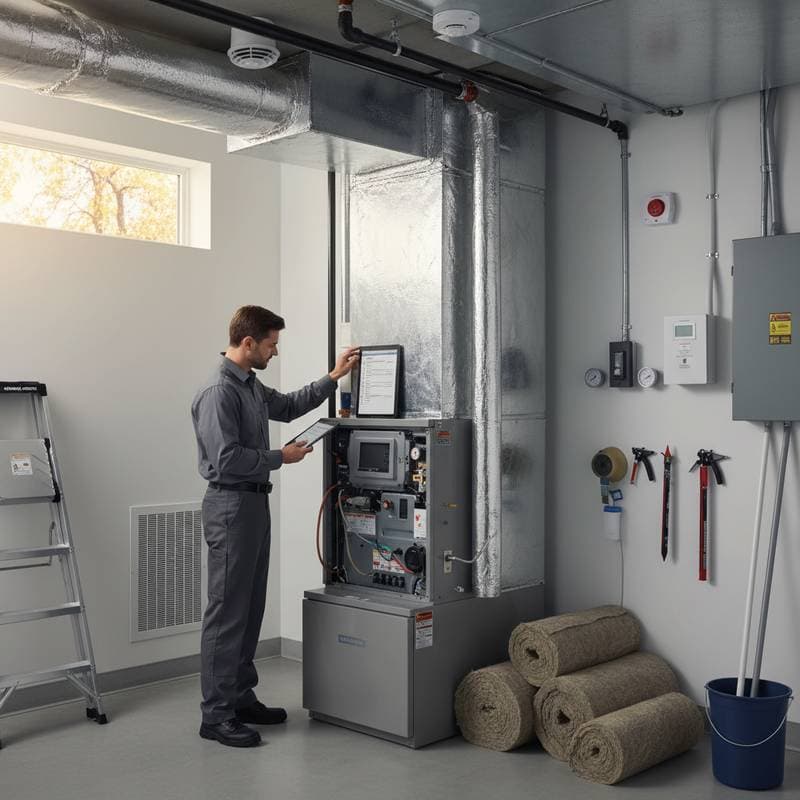
Professional inspection stands as one of the premier methods to prolong heating system longevity. Annual maintenance substantially lowers failure risks. A certified technician performs these vital steps during a tune-up:
- Clean burner assemblies and ignition systems
- Examine the heat exchanger for cracks or corrosion
- Verify safety controls, pilot light, and gas pressure
- Lubricate moving parts and secure electrical connections
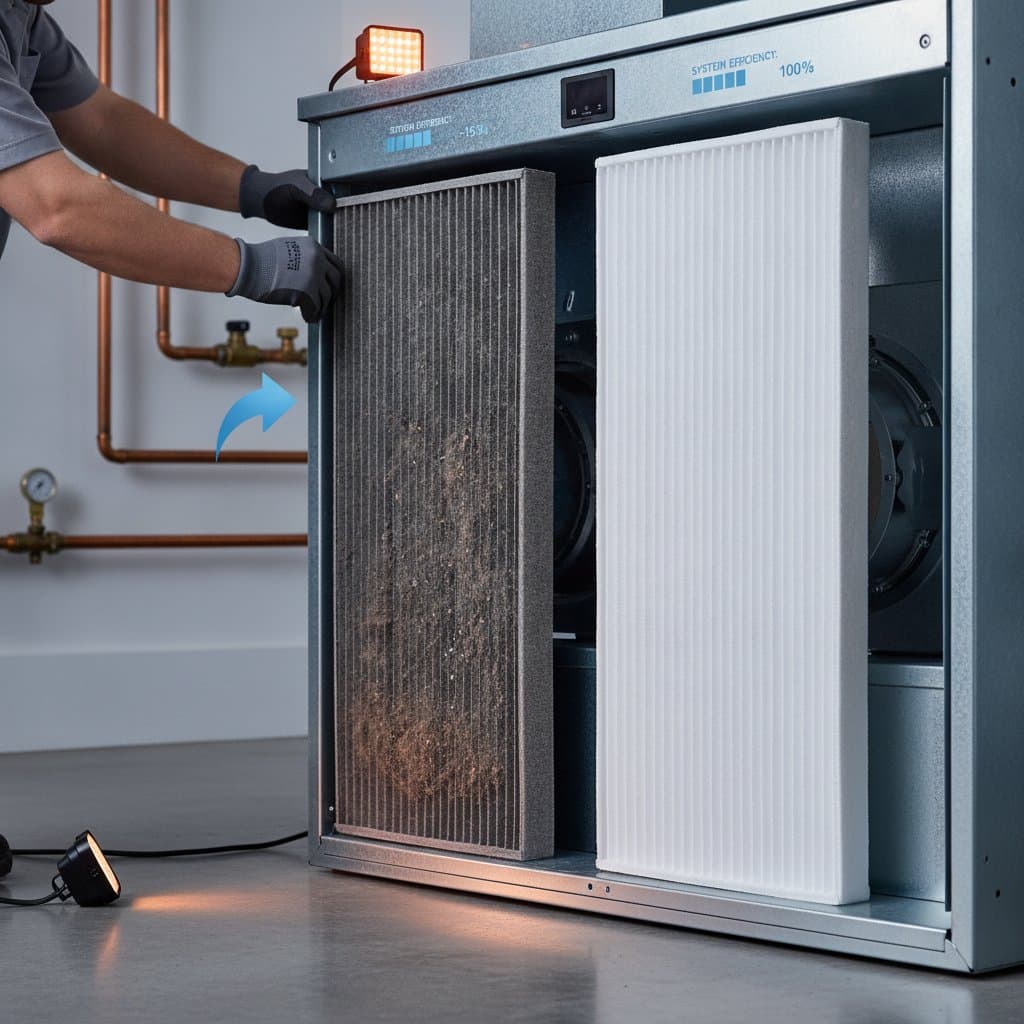
- Evaluate system efficiency and airflow
Such measures ward off carbon monoxide hazards and elevate performance. Homeowners often observe reduced winter utility costs following comprehensive fall service, with savings reaching 10 to 15 percent on heating expenses.
Seal Air Leaks and Improve Insulation
A finely tuned furnace labors ineffectively if warm air escapes through leaks. Examine door frames, windows, chimneys, and attic accesses for drafts. Weatherstripping and caulk provide affordable remedies that yield substantial comfort gains. One tube of premium exterior caulk, priced under several dollars, seals gaps that otherwise squander considerable heat.
Should attic insulation fall short of recommended depths, supplemental material preserves uniform indoor temperatures. Fiberglass batts and blown-in cellulose suit DIY efforts. In older residences, engage a professional energy auditor to pinpoint optimal insulation enhancement sites for maximum effect.
Check and Clean the Ductwork
Accumulated dust and debris in ducts impede airflow, diminishing efficiency and compromising air quality. Detach vent covers and vacuum apparent dust with a hose accessory. For thorough cleansing, professional duct service proves valuable, particularly amid signs of mold, pest residue, or persistent odors.
Clean ducts enhance airflow by up to 20 percent. This boost distributes heat uniformly across rooms and eases furnace motor demands.
Inspect Carbon Monoxide and Smoke Detectors
Safety rivals comfort in priority. Prior to winter onset, test every detector and swap batteries. Carbon monoxide, being colorless and odorless, demands reliable detection in gas- or oil-fueled homes. Place at least one detector per floor, including proximate to bedrooms.
Replace detectors over several years old with units featuring digital readouts for real-time levels. Certain advanced models integrate with smart home setups, notifying your device of rising carbon monoxide should levels increase during absence.
Prepare Your Fireplace and Chimney
For wood-burning or gas fireplaces, arrange a chimney evaluation before the initial seasonal fire. Creosote accumulation from prior use risks ignition and chimney blazes. A qualified chimney sweep clears and assesses the flue, damper, and firebox for fissures or blockages.
Store firewood in a sheltered, arid location distant from the structure to deter pests. Position fireplace implements and a screen at hand to contain errant sparks.
Protect Outdoor Equipment
Exterior components of heat pumps and HVAC setups require care as well. Remove leaves, soil, and refuse encircling the unit to sustain airflow. Prune adjacent plants back by at least two feet. Select covers that allow air circulation to avoid condensation.
For properties with external pipes, encase them in foam sleeves against freezing. Isolate and empty outdoor spigots to preclude pipe ruptures on frigid evenings.
Realize Lasting Benefits from Seasonal Care
Regular fall upkeep delivers rewards throughout winter. An optimized furnace consumes less power, circulates purer air, and sustains reliable heat amid severest cold. Preventive actions surpass mere comfort by sidestepping urgent fixes that exceed routine service costs.
Basic tasks like filter changes, minor leak seals, and alarm verifications suit independent handling and incur minimal expense. Delegate intricate duties such as furnace adjustments, duct sanitation, or insulation additions to skilled experts for assured safety and durability.
Early scheduling circumvents peak-season congestion and frequently yields discounted rates. Regardless of residence scale, from modest townhome to expansive family dwelling, autumn preparation equips the heating system for peak reliability.
Investing effort in these tune-ups now permits winter relaxation, confident in a home that stays warm, efficient, and secure for all occupants.