Prepare Your HVAC System Early to Slash Winter Heating Costs by 20%
A dependable heating system maintains warmth and safety in your home as temperatures fall. Homeowners often delay furnace checks until the initial cold snap arrives. Such procrastination frequently results in sudden malfunctions, extended wait times for service, and elevated repair expenses. Proactive preparation of your HVAC system prior to winter arrival offers a straightforward method to reduce costs, prolong equipment durability, and prevent inconvenience amid harsh weather.
The Importance of Timely HVAC Maintenance
Consistent HVAC maintenance safeguards against unforeseen failures. Accumulation of dust, debris, and deteriorated components gradually diminishes performance and strains core elements. Under peak demand, minor issues escalate into substantial harm.
Preventive measures ensure the heating unit remains free of contaminants, adequately lubricated, and accurately adjusted. Technicians detect issues like frayed belts, obstructed vents, or malfunctioning sensors prior to complete operational halt.
An optimized furnace consumes minimal energy. Research from energy efficiency organizations indicates that maintained systems achieve up to 20 percent reductions in heating expenses relative to unserviced counterparts. These savings accumulate significantly in areas with prolonged cold periods and sustained heating requirements.
Indicators That Your HVAC Requires Service
Homeowners can identify potential problems without professional assistance. Monitor these typical signals:
- Inconsistent temperatures across different rooms
- Unusual sounds including banging or rattling
- Reduced airflow from vents
- Elevated energy bills despite stable usage patterns
- Odors resembling burning or mold upon system activation
Upon noticing any of these, arrange for service without delay. Prompt intervention minimizes expenses and averts comprehensive failures during high-demand service periods.
Detailed Guide to Autumn HVAC Readiness
Seasonal evaluations involve straightforward procedures suitable for homeowners or coordinated with experts. Addressing these now guarantees seamless operation throughout the colder months.
-
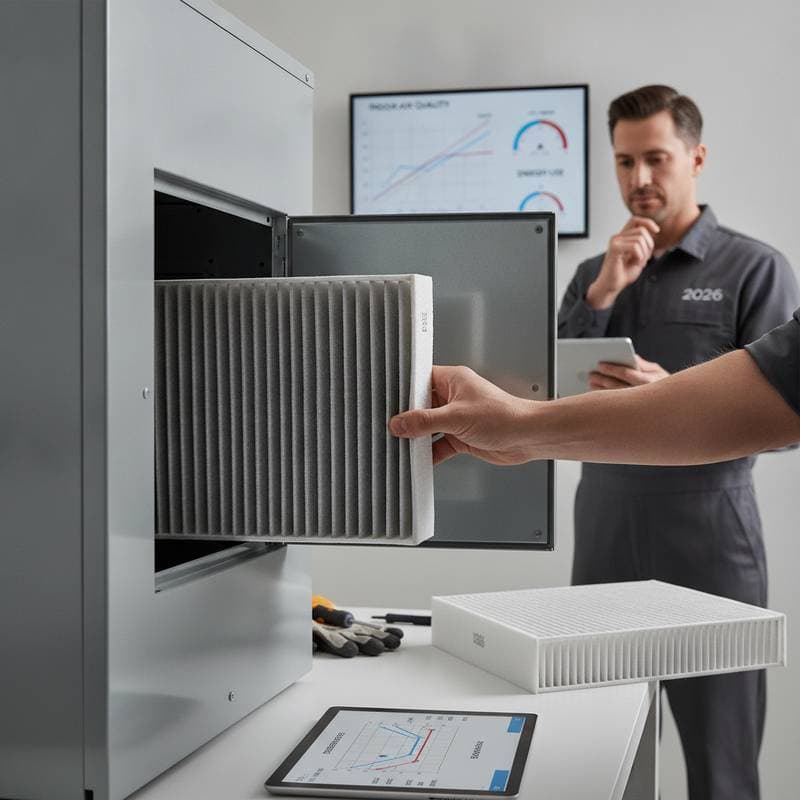
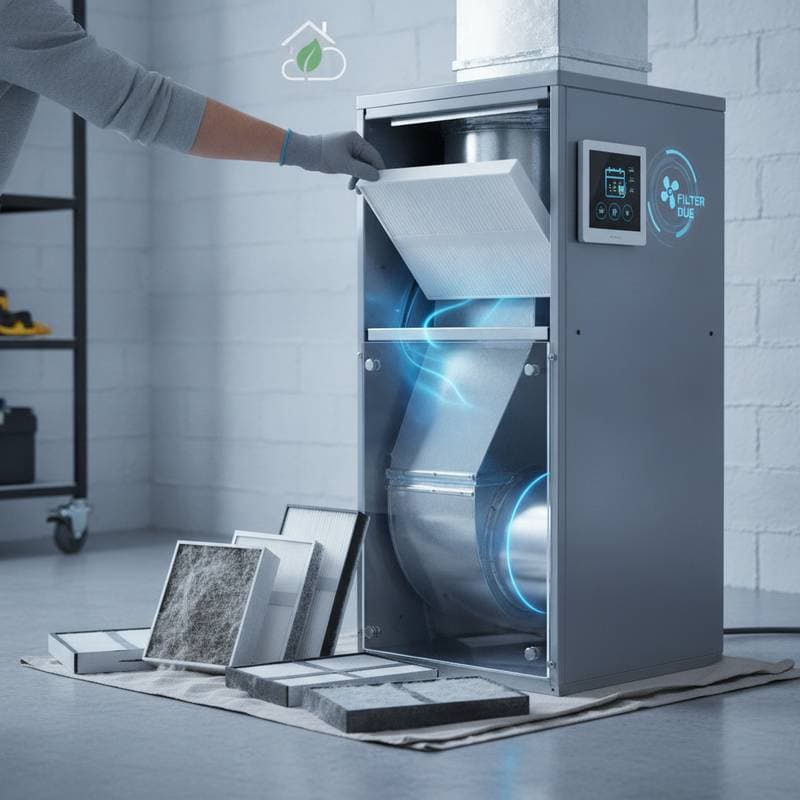
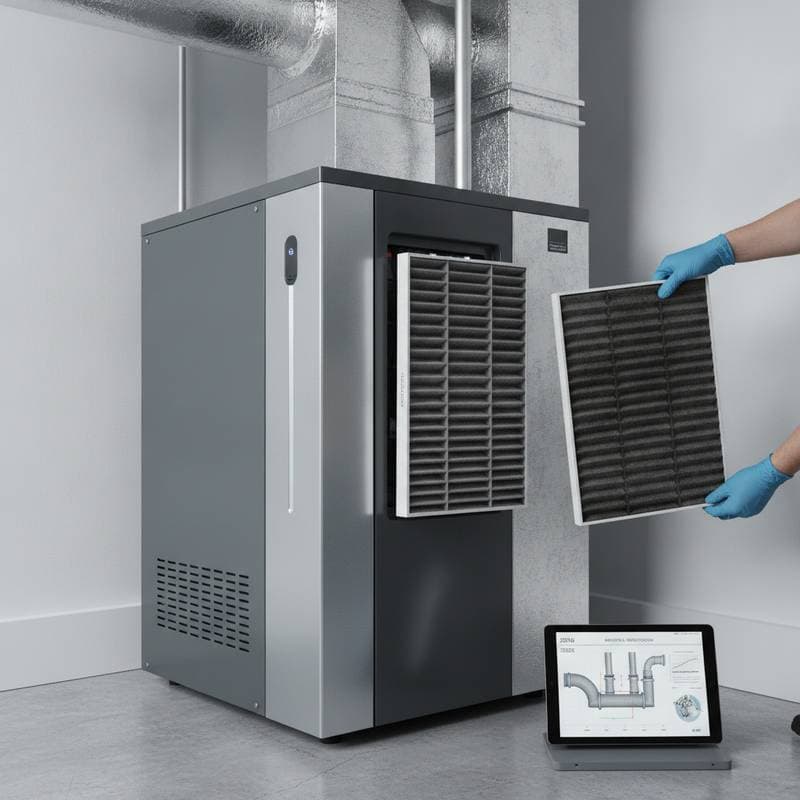
Exchange or cleanse air filters
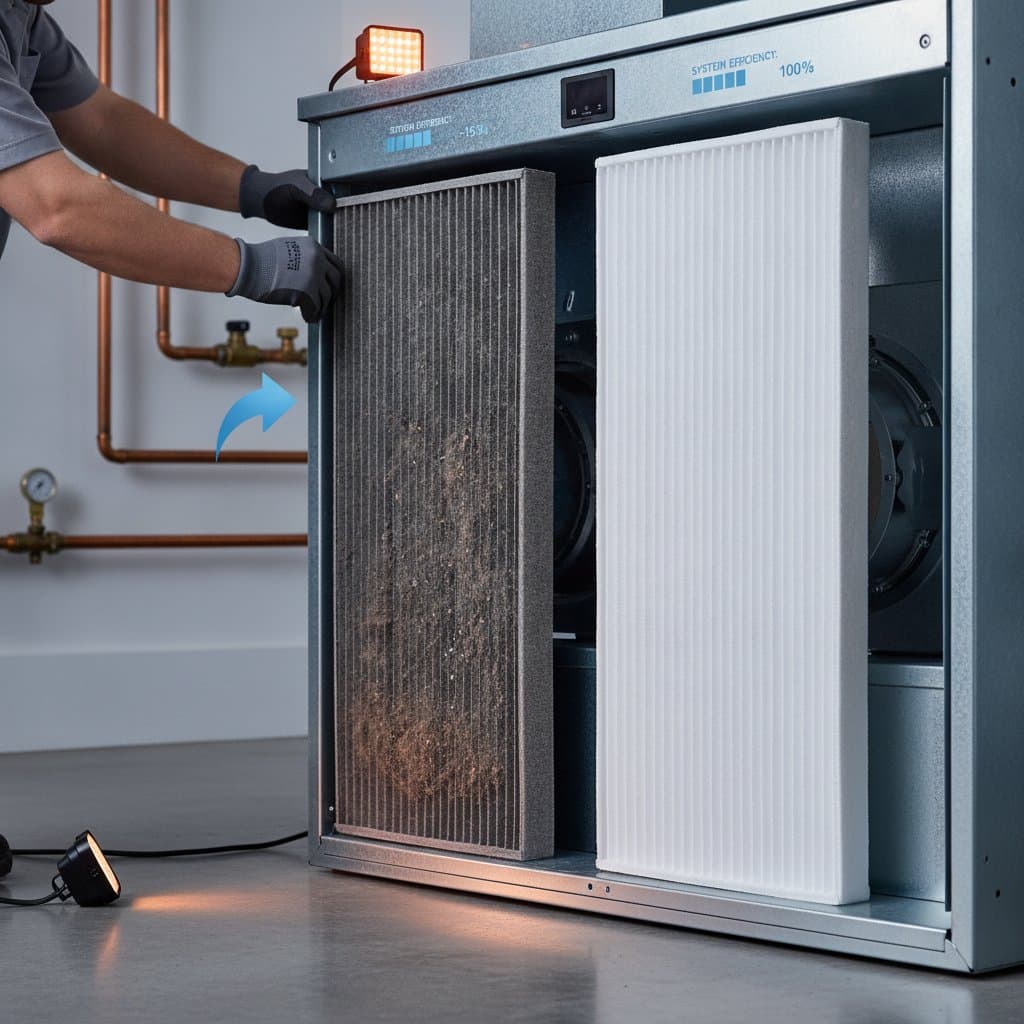
Clogged filters impede airflow and compel the furnace to exert extra effort. Swap out disposable variants or rinse reusable ones at intervals of one to two months amid intensive operation. Select filters aligned with your system's specifications for optimal filtration. -
Examine vents and registers
Confirm that no obstructions from furniture, drapes, or carpets block vents. Employ a vacuum to eliminate accumulated dust. -
Disencumber the exterior unit
For heat pump owners, clear foliage, twigs, and soil from the outdoor component. Preserve a minimum clearance of two feet to facilitate unobstructed airflow. -
Evaluate the thermostat
Activate heat mode and adjust the setting several degrees above the ambient temperature. The furnace ought to engage within one minute. Failure to do so suggests the need for thermostat recalibration or fresh batteries. -
Assess ductwork for breaches
Utilize a flashlight to detect separated seams or absent insulation. Apply foil tape or duct mastic to seal imperfections, thereby enhancing efficiency and indoor air quality. -
Arrange expert evaluation
Qualified technicians inspect electrical linkages, purify the blower mechanism, and scrutinize fuel lines for secure operation. Specialized instruments allow them to quantify performance and validate adherence to production guidelines.
Essential Safety Precautions for Maintenance Tasks
HVAC components demand cautious handling. Disconnect electrical power to the unit before any cleaning or panel removal. In the event of a gas odor, evacuate the premises promptly and notify your utility service. Refrain from undertaking fixes related to wiring, refrigerants, or gas elements without appropriate certification.
Basic upkeep activities pose minimal risk for homeowners. Complex mechanical interventions require professional expertise.
Analyzing Expenses and Long-Term Benefits
Standard servicing expenses pale in comparison to those of extensive repairs. An yearly adjustment typically incurs costs comparable to a modest meal out, whereas substituting a defective igniter or motor may multiply that figure several fold.
Modest upfront expenditures in upkeep forestall emergency outlays and augment system longevity by multiple years. Numerous HVAC providers propose maintenance agreements encompassing routine assessments, expedited appointments, and component reductions. Evaluate local offerings, prioritizing those with positive feedback and clear fee structures.
Visualize these expenditures through the following table:
| Service Type | Approximate Cost | Frequency |
|---|---|---|
| Basic inspection | Low | Once per year |
| Filter replacement | Very low | Every 1-2 months |
| Major repair | High | As needed |
| Full system replacement | Very high | Every 10-15 years |
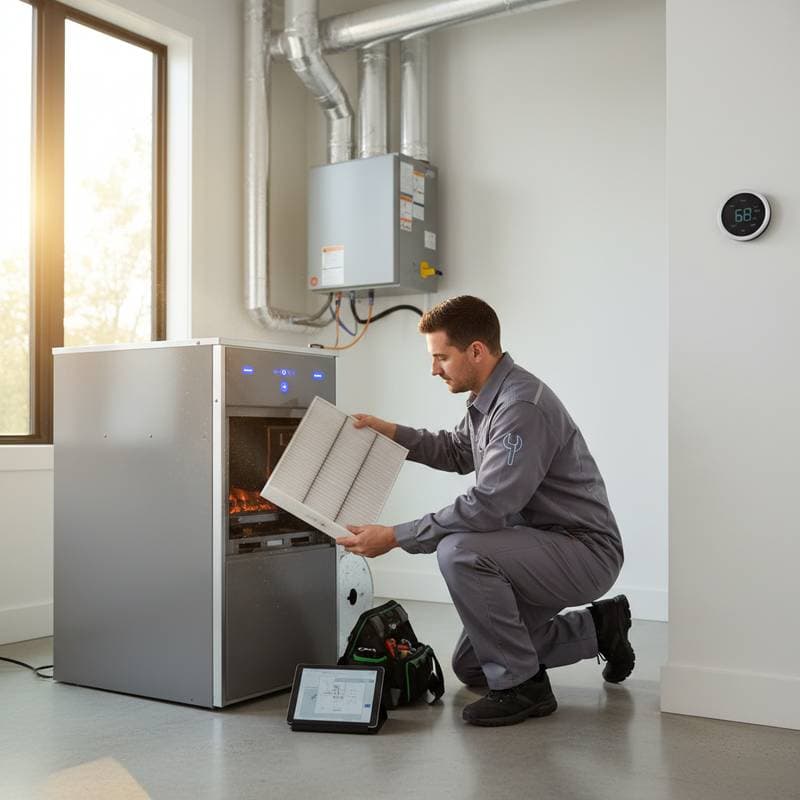
(Suggested image: A clean furnace filter and tools on a workbench, alt text “Homeowner replacing HVAC filter before winter.”)
Proven Outcomes from Homeowner Experiences
Online community discussions frequently highlight accounts of households that sidestepped severe furnace issues via advance readiness. One individual recounted identifying a fractured heat exchanger in a standard review, thereby averting thousands in remediation fees and mitigating carbon monoxide hazards. Another detailed diminished heating expenditures following the repair of duct fissures uncovered by an expert.
Such narratives underscore how preparatory actions yield tangible financial gains and sustained comfort during frigid conditions.
Common Queries on HVAC Upkeep
How frequently should maintenance occur?
Ideal scheduling involves one session preceding heating season and another before cooling period. Consistent professional oversight sustains both furnace and air conditioning units effectively.
Is self-maintenance feasible?
Homeowners manage filter swaps, vent cleansing, and thermostat trials competently. Delegate thorough sanitization and adjustments to certified specialists to uphold safety and preserve warranties.
How does age factor into maintenance for furnaces?
Aging units derive the greatest advantages from regular care. Experts assess viability of continued repairs versus outright substitution, considering performance metrics and ongoing expenses.
Do service agreements justify their cost?
For systems aged several years or operating continuously, packages featuring programmed inspections and savings opportunities prove economical and diminish disruptions amid busy seasons.
Secure Reliable Warmth Through Proactive HVAC Care
Advance HVAC preparation eliminates unforeseen winter expenditures. Implementing clean filters, unobstructed vents, verified thermostats, and thorough professional reviews establishes robust protection against seasonal challenges. These measures deliver enduring efficiency, safety, and ease for your household.