
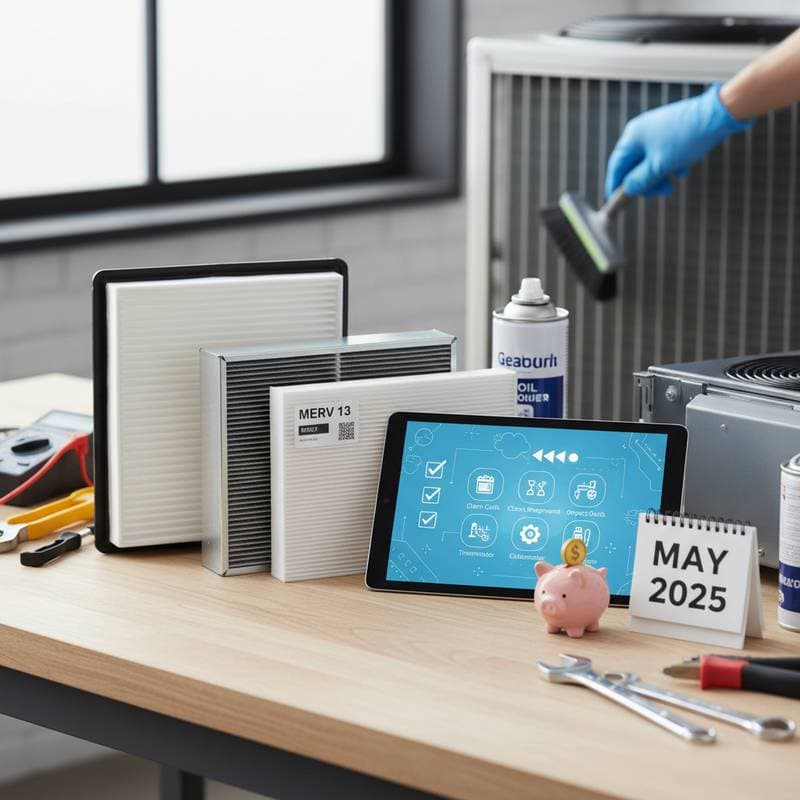
Avoid AC Disasters: Prepare Before Summer Heat Arrives
When temperatures rise, an air conditioner shifts from optional comfort to essential support for health and well-being. Homeowners often encounter unexpected failures during peak heat because systems lack prior attention. Early preparation minimizes expenses, optimizes energy efficiency, and eliminates the stress of urgent fixes.
This guide details steps to ready your air conditioning system for summer demands. It examines pricing basics, service options, influencing factors, and a thorough checklist for proactive maintenance.
Pricing Models and Service Structures
Air conditioning maintenance follows various pricing approaches. Knowledge of these options enables smarter choices among service providers.
Hourly Rates Compared to Flat Fees
Certain technicians bill hourly, with fees ranging from 75 to 125 dollars. This suits quick diagnostics or minor adjustments. Flat-fee services cover a standard list of tasks at a fixed cost, providing predictability for regular upkeep.
Per-Unit or Project-Based Charges
Properties with multiple systems benefit from per-unit rates. Servicing two units, for instance, might total 180 to 300 dollars, based on scale and intricacy. Project pricing covers broader tasks like duct cleaning or part replacements.
Bundled or Package Deals
Numerous companies provide yearly plans with two seasonal visits, priced at 150 to 300 dollars. These include expedited appointments and reduced rates on components. Combined heating and cooling packages distribute expenses evenly throughout the year.
Subscription Plans Versus Single Services
Ongoing subscriptions offer steady costs and continuous support, often 12 to 25 dollars monthly, tailored to system specifications. Single visits provide on-demand flexibility, though they tend to cost more individually.
Factors That Shape Maintenance Costs
Multiple elements influence final expenses. Awareness of these allows for precise financial planning.
System Scale and Scope
Extensive setups or multi-zone configurations demand extended inspection and cleaning efforts. The count of vents, ducts, and handlers extends the required time.
Technical Complexity and Expertise Needs
Advanced elements like variable-speed drives or humidity regulators require specialized skills. Professionals certified by NATE command premium rates, yet their precision enhances system durability.
Duration of the Service
Simple checks last about one hour, whereas comprehensive cleanings extend to two hours or beyond. Hourly billing amplifies costs for prolonged engagements.
Additional Materials and Tools
Items such as new filters, cleaning agents, and refrigerant add 20 to 100 dollars. Opting for efficient, environmentally sound supplies may raise initial outlays but yields ongoing energy reductions.
Optional Services and Extra Fees
Standard tune-ups form the core, yet supplementary options enhance reliability and avert problems.
Costs for Duct Cleaning
Clogged ducts hinder airflow and efficiency. Cleaning services for an average home fall between 300 and 600 dollars, scaled to square footage. Annual necessity varies, but benefits appear in pet-owning or allergy-prone households with noticeable dust.
Expenses for Refrigerant Replenishment
Insufficient refrigerant impairs cooling and inflates bills. Recharges range from 150 to 400 dollars, influenced by refrigerant variety and unit capacity.
Fees for Coil Cleaning
Dirt on evaporator and condenser coils hampers heat exchange. Thorough cleaning of both costs 100 to 250 dollars, higher if access proves challenging.
Charges for Rush or Priority Appointments
Peak-season emergencies incur 50 to 150 dollar premiums. Maintenance subscribers gain priority access, sidestepping these surcharges.
Comprehensive Checklist for Pre-Summer Preparation
Homeowners contribute significantly to system readiness through simple actions alongside professional help.
Update or Clean Air Filters
Obstructed filters impede airflow, strain motors, and cut efficiency. Swap disposable types every one to three months; wash reusables per guidelines.
Verify Thermostat Functionality
Ensure accurate readings and prompt responses. Upgrade from manual to programmable or smart models to potentially reduce cooling costs by 10 percent yearly.
Clear Space Around the Outdoor Unit
Eliminate leaves, debris, and vegetation from the condenser area. Preserve two feet of open space on all sides for optimal ventilation; refrain from plastic coverings that retain dampness.
Maintain the Condensate Drain
Obstructions lead to leaks and mold. Clear the line with a water-detergent solution or request expert flushing.
Conduct an Early System Test
Operate the unit briefly off-season. Monitor for odd sounds or inadequate cooling, allowing ample time for pre-peak fixes.
Address Duct Leaks
Leaks squander cooled air and escalate expenses. Experts detect and seal with mastic or foil tape for 300 to 500 dollars, with savings recouping the outlay.
Insights from Experts and Consumer Trends
Preventive strategies rank highest among professionals for dodging major failures. Mark Leland, a certified HVAC specialist with 20 years in the field, notes that 80 percent of summer emergencies arise from spring-detectable faults.
Surveys indicate maintenance plan participants incur 15 to 25 percent fewer repair costs yearly. Regularly serviced units endure five to seven years beyond those without care.
Selecting a Dependable Service Provider
Qualified experts safeguard your investment. Prioritize licensed, insured firms affiliated with industry bodies.
Seek guarantees on work quality or credits toward subsequent repairs. Consult online feedback and local recommendations for reliable choices.
Eco-Conscious Practices for Enduring Efficiency
Sustainable habits curb consumption and expenses. High-efficiency filters, routine coil maintenance, and correct refrigerant charges can trim energy use by 15 percent.
Consider ENERGY STAR models with superior compressors and sensors for substantial long-term reductions, despite higher initial prices.
Annual tune-ups, one pre-summer and one pre-winter, sustain peak operation and forestall disruptions.
Steps to Secure Summer Comfort
Reliable cooling stems from foresight, not crisis response. Engage professionals promptly, tend to the outdoor unit, refresh filters, and confirm thermostat precision.
Such measures cost less than breakdowns and deliver tranquility amid rising heat. Opt for tune-ups or plans that align with your needs to maintain seamless performance.




