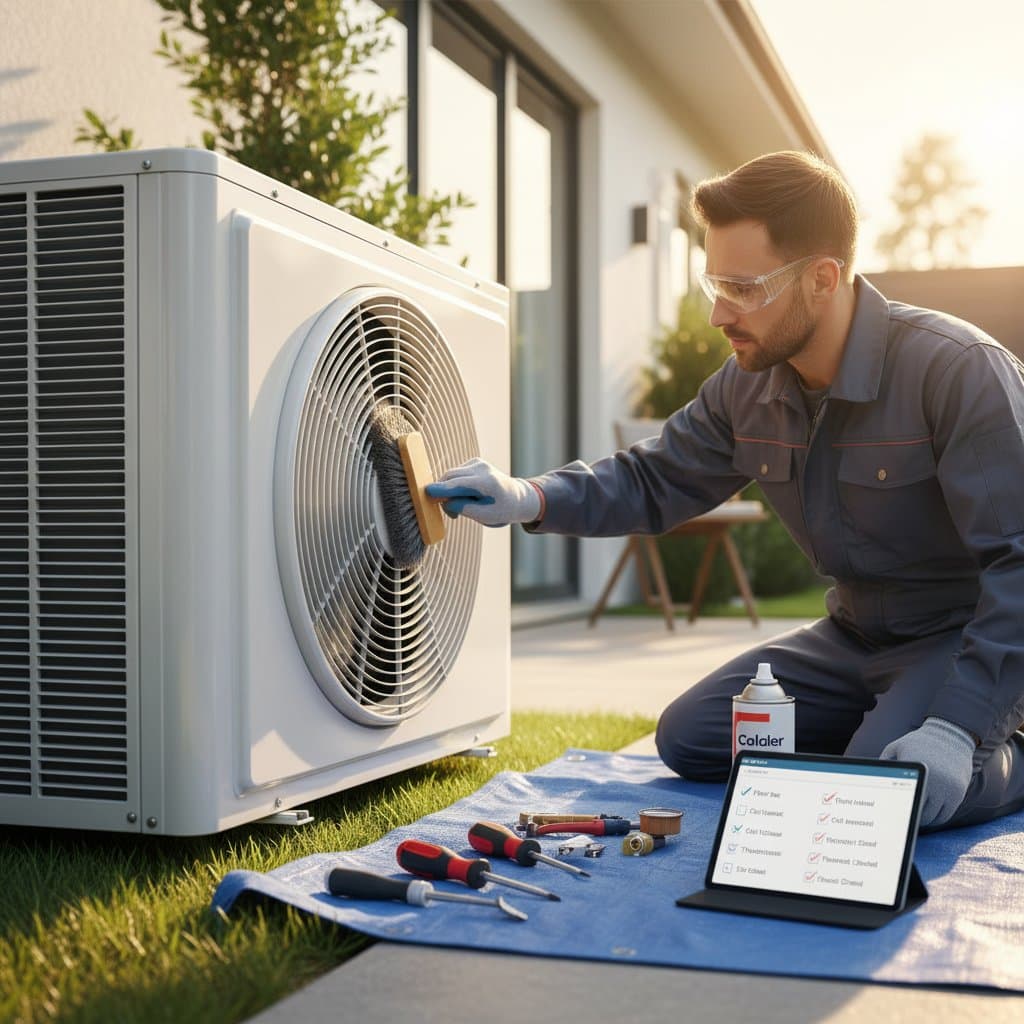
Prepare Your Air Conditioner for Summer: Essential Steps to Reduce Repair Costs by 40 Percent
Air conditioners face intense demands during the hottest months. A properly maintained unit operates efficiently, consumes less electricity, and experiences fewer unexpected failures. Homeowners who delay maintenance until issues arise often incur substantial expenses, yet proactive steps can prevent such problems and yield significant savings. This guide details practical methods to ready your system before peak heat arrives, including cleaning procedures, diagnostic tests, and adjustment techniques suitable for most users. Expert recommendations, safety protocols, and a structured checklist further support effective long-term management.
Advantages of Pre-Summer Air Conditioner Maintenance
Regular preparation delivers multiple returns on the initial effort. Clean evaporator coils and air filters enhance airflow, which eases the workload on the compressor and lowers energy requirements to achieve desired cooling levels. Such improvements typically result in noticeable reductions in monthly utility expenses.
Preventive inspections identify minor refrigerant leaks or electrical irregularities early, averting escalation into major malfunctions that demand urgent professional intervention. Systems under consistent care often endure 10 to 15 years of service, compared to five to seven years for those lacking attention. Additionally, thorough cleaning eliminates accumulated dust, pollen, and microbial growth from filters and ducts, fostering healthier indoor environments with reduced allergens and odors.
Well-maintained components, such as fan motors and belts, operate with minimal vibration, leading to quieter performance overall. These outcomes underscore the value of timely action: the investment in routine upkeep proves far more economical than funding emergency repairs or full replacements.
Recommended Visual Elements
Visual aids reinforce key messages and assist with task execution.
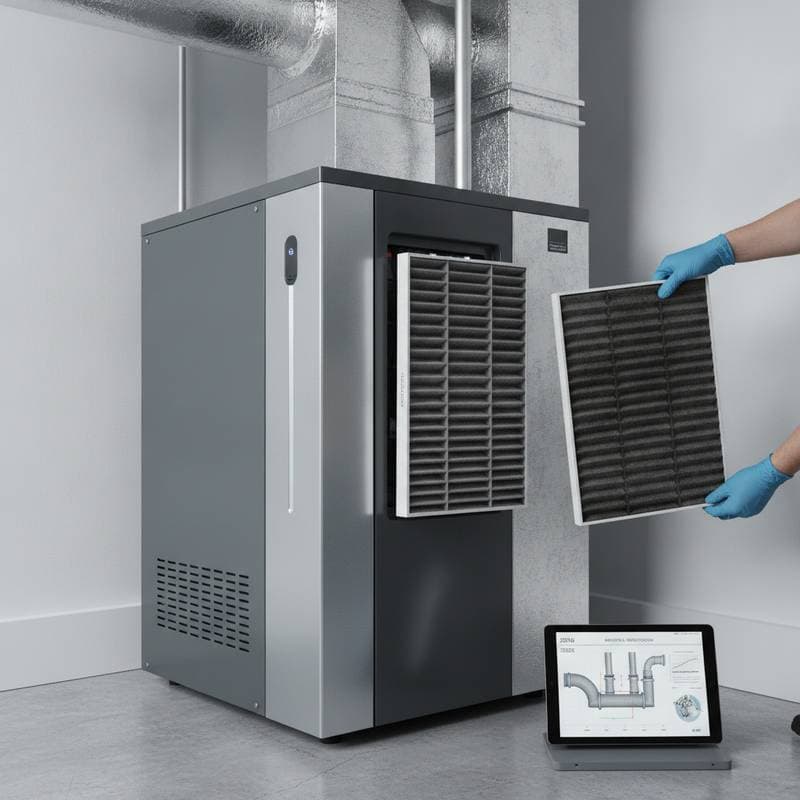
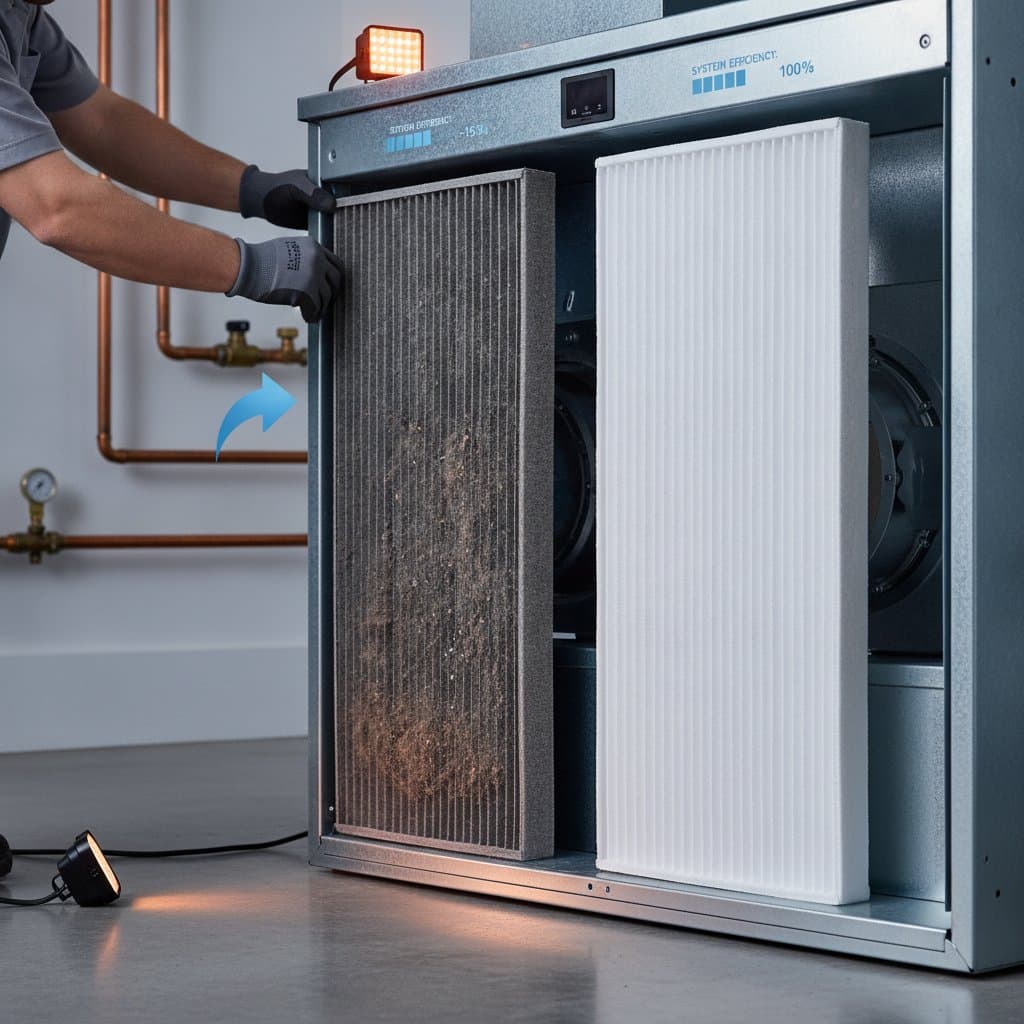
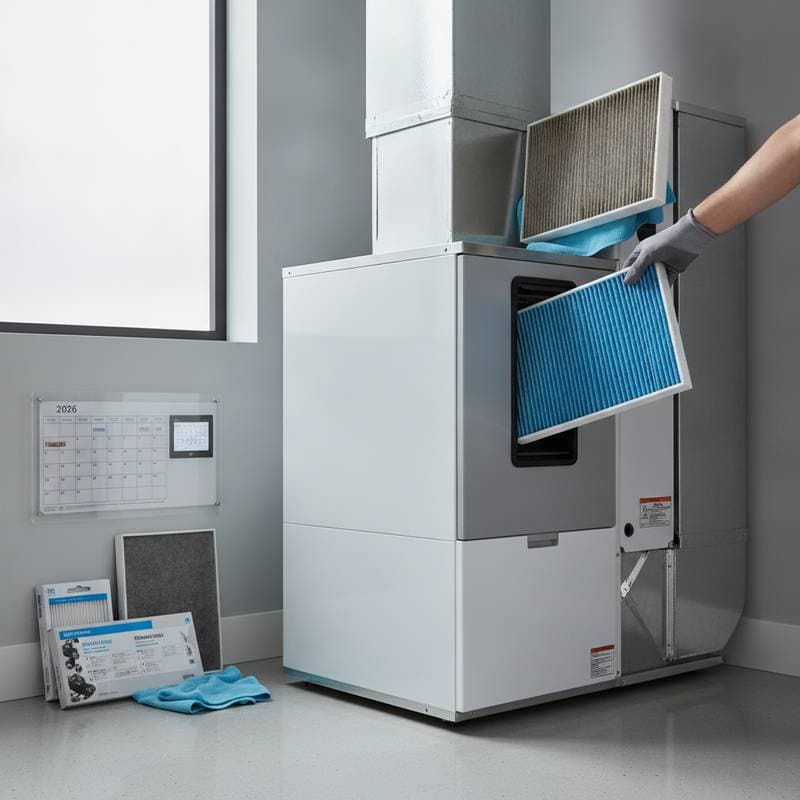
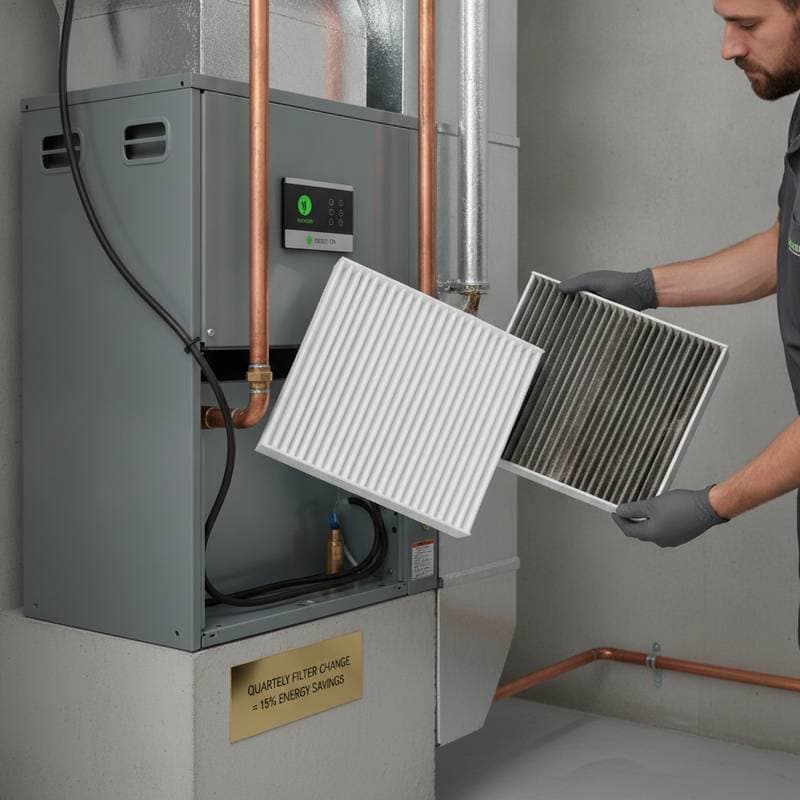
- Photograph of an individual replacing an air filter, accompanied by the caption "Replacing filters seasonally enhances efficiency and air quality."
- Image of an outdoor condenser unit surrounded by ample clearance, labeled "Ensure at least two feet of unobstructed space around the unit for optimal airflow."
- Bar chart illustrating typical annual repair expenses: $150 for maintained systems versus $500 for neglected ones, based on industry averages.
- Infographic depicting a step-by-step maintenance sequence, including time estimates (e.g., 15 minutes for filter checks) and skill levels (beginner to intermediate).
Incorporating these elements makes complex information accessible and memorable for readers.
Analysis of Maintenance Expenses and Potential Savings
Understanding costs aids in informed decision-making for upkeep strategies.
| Task | Estimated DIY Cost | Professional Service Cost | Projected Savings Benefit |
|---|---|---|---|
| Air filter replacement | $5–$20 | $50–$100 | 10–15 percent improvement in energy efficiency |
| Evaporator coil cleaning | $10–$30 | $100–$200 | 15–25 percent reduction in electricity consumption |
| Condensate drain clearing | $0–$10 | $75–$150 | Avoidance of $500+ in water damage remediation |
| Comprehensive system inspection | $20–$50 | $150–$300 | Up to 40 percent decrease in overall repair expenses |
Opting for professional assistance, while initially more costly, frequently recoups expenses through sustained efficiency gains and avoidance of downtime. A complete seasonal tune-up often offsets its price in the first summer via diminished energy bills and eliminated crisis responses.
Strategies for Effective Seasonal Timing
Initiate maintenance well in advance of intense heat waves to sidestep technician shortages common in high-demand periods. Aim to complete initial preparations by late spring, allowing time for any necessary part replacements. Establish calendar alerts for monthly filter assessments and biannual deep inspections to maintain consistency.
For units in vacation homes or low-usage settings, activate the system for 15–30 minutes weekly to preserve lubricant in seals and inhibit mold development from idle humidity. Residences in coastal regions or high-dust environments require heightened vigilance: inspect and clean components biweekly to counter accelerated buildup from salt spray or particulate matter.
Essential Tools and Materials for DIY Maintenance
Assembling a dedicated toolkit simplifies ongoing care and ensures readiness.
- Soft-bristled brush and vacuum attachment for gently removing debris from coils without damage.
- Fin straightening comb to realign bent condenser fins, restoring proper heat dissipation.
- No-rinse coil cleaner or mild dish soap solution for safe surface treatment.
- Assorted screwdrivers to access internal panels securely.
- Shop vacuum with crevice tool for extracting clogs from drain lines.
- LED flashlight to illuminate tight spaces during visual checks.
- Protective gloves and eyewear to guard against sharp edges and cleaning agents.
Position this kit in a weatherproof container adjacent to the outdoor unit. Record filter dimensions and installation dates on storage labels to streamline future replacements.
Establishing a Sustainable Maintenance Schedule
Reliable habits form the foundation of enduring system health. Adopt a structured approach like the 3-6-12 framework to distribute tasks evenly:
- Every three weeks: Examine and clean or replace air filters; verify vent covers remain unobstructed for even air distribution.
- Every six weeks: Wipe down evaporator and condenser coils; flush the condensate drain with a vinegar-water mix to dissolve potential blockages.
- Every 12 weeks: Conduct a full operational test, including thermostat accuracy checks and refrigerant level assessments via pressure gauges if equipped.
This schedule accommodates varying usage patterns while preventing oversight. Digital apps or printed trackers prove effective for adherence, turning maintenance into a seamless seasonal practice.
Realizing Lasting Value from Proactive Care
Investing time in air conditioner preparation translates to tangible rewards beyond immediate savings. Enhanced efficiency not only trims operational costs but also contributes to environmental conservation through reduced energy demands. Families benefit from consistent comfort, free from the disruptions of faulty equipment during critical heat periods.
Over multiple seasons, these efforts compound: lower cumulative repair outlays, prolonged equipment utility, and superior home air standards. Homeowners who integrate such routines report greater confidence in their systems' reliability, fostering peace of mind amid rising temperatures.