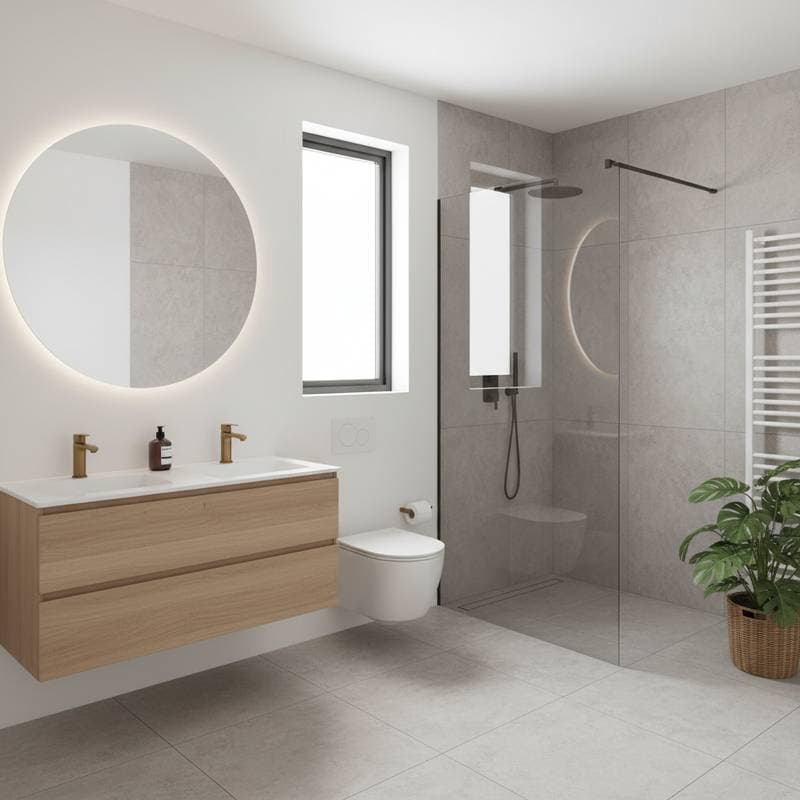
Which Bathroom Upgrades Deliver the Best ROI in 2025
Bathroom remodels rank among the top home improvements for increasing property value and enhancing daily comfort. Full-scale renovations carry significant expense, yet targeted upgrades often provide superior returns on investment. Homeowners benefit from identifying elements that balance cost, functionality, and broad market appeal to inform renovation decisions.
Bathroom Remodel Cost Fundamentals
The national average for a midrange bathroom remodel ranges from $12,000 to $20,000. High-end projects frequently surpass $30,000, influenced by material selections and local labor rates. Cosmetic enhancements, including fixture swaps or fresh paint, generally remain below $5,000.
Regional differences significantly impact pricing. Urban areas, particularly coastal cities with elevated labor costs, experience 20 to 30 percent higher expenses compared to rural or suburban locations. Seasonal fluctuations contribute as well; contractors typically increase rates during peak spring and early summer periods. Broader economic factors, such as supply chain disruptions, inflation, or workforce shortages, elevate prices for essentials like tiles, plumbing fixtures, and cabinetry.
Pricing Models and Structures
Remodeling professionals employ diverse pricing approaches. Hourly rates for specialized trades, including plumbing or electrical services, span $75 to $150 per hour. Flat fees apply to specific tasks, such as shower installations or vanity replacements.
Project-based pricing suits midrange and comprehensive remodels, enabling budget adherence. Design-build firms often present package options that integrate design, materials, and labor. Though uncommon, subscription services for maintenance, like grout sealing or fixture checks, support long-term upkeep and avert expensive repairs.
Service Tiers and Their Price Points
Basic upgrades emphasize cosmetic enhancements. Tasks such as re-grouting, repainting, or hardware updates cost $1,000 to $3,000 and modernize the area without invasive alterations.
Standard remodels encompass vanity replacements, new flooring, and lighting upgrades. Budgets for these typically fall between $10,000 and $20,000, varying with material standards.
Premium remodels feature bespoke cabinetry, luxury tiles, and efficient fixtures. Such endeavors range from $25,000 to $40,000.
Specialized transformations, including accessibility modifications or spa-inspired designs, exceed $40,000. These cater to buyers prioritizing comfort and enduring usability.
Key Variables Influencing Bathroom Remodel Pricing
The scope of work dictates expense levels. Expanding the bathroom's footprint or relocating plumbing lines demands additional labor and materials. Complexity further escalates costs; elements like custom tile patterns, radiant heating, or elaborate lighting require specialized expertise and extended timelines.
Completion time hinges on contractor schedules and material availability. Optimal conditions allow a full remodel in two to four weeks. Choices in materials and equipment, from deep soaking tubs to frameless glass enclosures, amplify both acquisition and installation outlays. Premium finishes can double expenses relative to basic selections.
Add-on Services and Supplemental Charges
Optional enhancements often enhance overall value.
- Heated flooring systems provide luxury and appeal, costing $2,000 to $4,000 based on technology and area coverage.
- Custom cabinetry, priced at $2,000 to $8,000, maximizes storage and attracts prospective buyers.
- Smart technologies, including voice-controlled lights or automated toilets, involve higher initial investments yet distinguish properties in saturated markets.
- Rush services incur 10 to 20 percent premiums for accelerated timelines.
Bathroom Upgrades with the Strongest ROI
Data from industry analyses indicate that minor bathroom remodels recoup 60 to 70 percent of costs upon resale. High-yield options prioritize practicality, resilience, and wide-ranging desirability.
-
Vanity and Countertop Replacement
Updating the vanity delivers immediate visual renewal. Opt for quartz or solid-surface tops, which withstand stains and maintain elegance. These installations, budgeted at $1,000 to $5,000, generate robust returns through enhanced aesthetics. -
Tile and Flooring Updates
Porcelain or ceramic tiles endure for years, preserving value. For affordability, select waterproof vinyl plank at $4 to $7 per square foot installed. Uniform wall and floor treatments foster a contemporary, unified appearance that resonates with buyers. -
Energy-Efficient Fixtures
Low-flow toilets, faucets, and showerheads cut water usage while upholding performance. Each fixture update costs several hundred dollars and draws environmentally aware purchasers focused on savings. -
Lighting and Ventilation Improvements
LED fixtures and enhanced exhaust fans elevate usability and mitigate mold risks. Electricians handle these for under $2,000, yielding practical benefits. -
Walk-In Showers and Accessibility Features
Frameless walk-in showers surpass tubs in popularity. Conversions range from $5,000 to $10,000 and boost marketability, particularly for homes supporting aging residents.
Steps to Execute Your Remodel Effectively
Secure bids from licensed contractors, insisting on detailed breakdowns. Evaluate inclusions for materials, warranties, and workmanship assurances. A design consultation, often a few hundred dollars, refines plans and safeguards investment.
Target prominent, utilitarian improvements over major overhauls. Select cohesive schemes, resilient products, and streamlined features to secure optimal financial and visual outcomes. These choices not only elevate daily living but also strengthen future sale prospects.