Planning Your Bathroom Remodel: Costs and ROI Breakdown
A bathroom remodel transforms functionality, aesthetics, and overall home equity. Homeowners seek updates ranging from simple refreshes to luxurious escapes, yet success hinges on informed planning. This guide examines remodeling expenses, anticipated returns on investment, and strategies for selecting DIY approaches or professional assistance.
Understanding Bathroom Remodel Costs
Expenses for bathroom renovations fluctuate based on room dimensions, selected materials, and involvement of specialists. Compact powder rooms demand fewer resources than expansive master suites with upscale features.
Typical Cost Breakdown
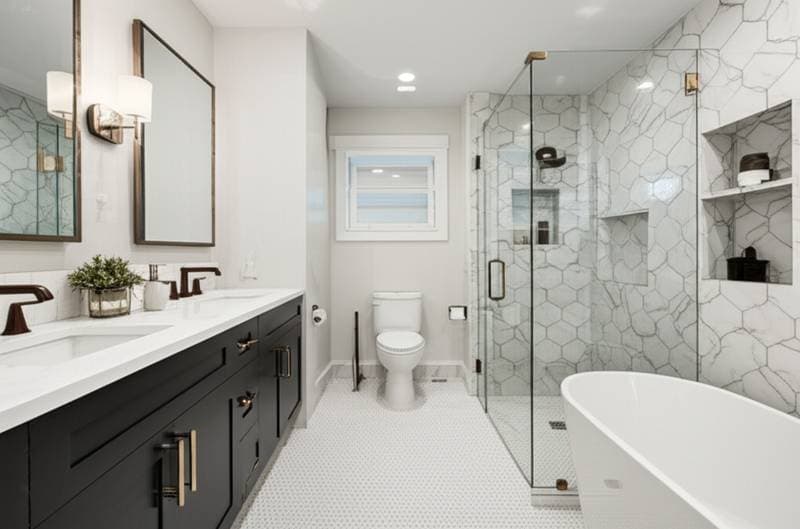
Standard renovations encompass fixture swaps, floor coverings, illumination upgrades, and wall finishes. Intermediate efforts incorporate fresh vanities, ceramic tiles, and plumbing enhancements. Premium overhauls feature bespoke storage, seamless showers, deep tubs, and surfaces such as natural stone or engineered quartz.
Insert cost comparison table here
| Project Type | Estimated Cost Range | Expected ROI |
|---|---|---|
| Small Bathroom Refresh | Low to mid-thousands | 50% - 60% |
| Mid-Range Remodel | Mid to upper thousands | 60% - 70% |
| Luxury Remodel | Upper thousands and above | 55% - 65% |
These figures reflect national averages. Actual expenditures vary with design intricacy, geographic location, and supplier selections.
Factors That Affect Pricing
- Size of the Bathroom: Expansive areas necessitate greater quantities of supplies and extended labor hours.
- Material Quality: High-grade ceramics, hardware, and surfaces substantially elevate totals.
- Layout Changes: Relocating pipes or partitions introduces additional structural demands.
- Labor Costs: Rates from plumbers and electricians align with expertise levels and local economic conditions.
- Hidden Repairs: Issues like moisture intrusion, fungal growth, or foundational weaknesses emerge unexpectedly.
DIY vs Professional Cost Considerations
Self-directed tasks reduce labor fees. Suitable activities include applying wall coatings, affixing accessories, or mounting fixtures. Complex elements such as piping systems, surface installations, and wiring demand expertise to prevent future complications.
Professional engagement guarantees adherence to regulations, product assurances, and superior execution. Although initial outlays increase, such investments yield enduring benefits and minimize subsequent corrections.
DIY vs Professional: Making the Right Choice
Selection between self-managed and expert-led projects relies on personal proficiency, schedule availability, and tolerance for intricate procedures.
Benefits of DIY
- Lower Labor Costs: Direct involvement cuts expenses significantly on routine elements.
- Creative Control: Iterative adjustments allow personalization during execution.
- Personal Satisfaction: Hands-on completion fosters a profound sense of achievement.
Drawbacks of DIY
- Time Commitment: Amateur efforts extend durations beyond professional timelines.
- Limited Tools and Skills: Advanced equipment and knowledge prove essential for precise outcomes.
- Risk of Mistakes: Flaws in sealing or circuitry pose safety hazards and repair burdens.
Benefits of Professional Remodeling
- Quality and Efficiency: Seasoned teams deliver swift, dependable transformations.
- Access to Better Materials: Trade connections secure discounts and superior options.
- Permits and Inspections: Experts navigate approvals and uphold code standards.
When to Hire a Pro
Opt for specialists in scenarios involving pipeline relocations, heated flooring integrations, elaborate illumination setups, shower enclosures, or intricate mosaics. Professional input also ensures transferable guarantees and market-appealing finishes.
Your Bathroom Remodel Questions, Answered
Industry specialists address frequent inquiries below.
How much should I budget for a small bathroom remodel?
Allocations for minor updates span low to mid-thousands, influenced by component selections. Prioritize economical swaps like faucets and surface refreshes to contain spending.
What upgrades offer the best ROI?
Functional enhancements in moderate scopes yield optimal returns. Target fixture renewals, illumination improvements, and surface or storage replacements for tangible gains.
Are luxury finishes worth the cost?
Opulent selections amplify enjoyment and visual appeal, though recouping full value proves challenging. Reserve extravagance for spaces intended for prolonged occupancy.
How long does a bathroom remodel take?
Cosmetic adjustments span one to two weeks, whereas comprehensive efforts with infrastructure changes extend to multiple weeks. Expert involvement accelerates completion.
Do I need a permit for a bathroom remodel?
Regulatory approvals apply to modifications in utilities or frameworks. Consult municipal guidelines prior to commencement.
What are common hidden costs?
Concealed damages from leaks, contaminants, or supports inflate budgets. Incorporate a 10 to 15 percent reserve for contingencies.
Can I remodel in stages?
Phased approaches work well. Initiate with foundational elements like bases and hardware, deferring accents until resources permit.
What are red flags when hiring contractors?
Vigilance is key for demands of advance full payments, absence of documented proposals, or deficiencies in credentials and coverage.
How can I prepare my bathroom before remodeling starts?
Evacuate belongings, shield adjacent areas from debris, and facilitate entry for equipment.
What are the best materials for a durable bathroom?
Selections like vitrified tiles, composite counters, and vapor-barrier coatings endure humidity while preserving appearance.
How to Decide: Your Step-by-Step Guide
Step 1: Assess Your Bathroom's Condition
Examine current state to pinpoint necessities, whether superficial or foundational. This evaluation directs focus toward high-impact areas.
Step 2: Evaluate Your Skills and Resources
Gauge proficiency with implements and project enthusiasm. Delegate substantial tasks to experts to circumvent errors.
Step 3: Calculate the True Cost
Tally supplies, workforce, approvals, and unforeseen elements. Align projections with property appraisal for viability.
Step 4: Assess Risks and Long-Term Value
Superior execution enhances usability and marketability. Inferior choices diminish returns and invite ongoing maintenance.
Step 5: Make Your Final Decision
Weigh financial limits, temporal constraints, and desired outcomes. Incremental updates often harmonize expenditure with rewards.
Preparing for Your Bathroom Project
Thorough groundwork streamlines execution and adherence to schedules.
Research and Planning
Compile inspirations and outline spatial configurations. Digital simulators aid in previewing arrangements pre-purchase.
Budgeting Tips
Detail allocations for components and services. Allocate reserves for variances.
Site Preparation
Disassemble fixtures, safeguard external zones, and arrange alternate facilities.
Timeline Considerations
Coordinate schedules with service providers. Account for delays in bespoke orders.
Communication and Oversight
Maintain dialogue, track advancements, and verify milestones align with visions.
Sustaining Your Remodel's Value
Post-project care upholds performance and longevity. Seal joints periodically, service exhaust systems, and inspect for seepage. Consistent vigilance secures ongoing utility and equity appreciation.