Avoid AC Breakdowns: Summer Tune-Up Essentials
A hot afternoon reveals the true test of your air conditioning system. When cooling falters, discomfort spreads through every room, and auxiliary aids like ceiling fans offer little relief. Most failures stem from neglected upkeep. A seasonal tune-up transforms potential crises into sustained reliability, ensuring quiet operation and optimal performance throughout the summer.
Why AC Tune-Ups Matter
Unmaintained air conditioners experience approximately 5 percent efficiency decline annually. Accumulated dirt on coils, reduced refrigerant, and obstructed filters force the compressor to labor excessively. This added stress elevates energy consumption and accelerates wear on vital components. Professional servicing reinstates full capacity, averts unexpected failures, and preserves warranty coverage. Such interventions yield returns via reduced utility expenses that often surpass the service fee.
Quick Answer: What Every Summer AC Tune-Up Should Include
Comprehensive tune-ups address both evaporator and condenser elements. Essential actions for homeowners or technicians include:
- Replacing or cleaning the air filter
- Inspecting and cleaning condenser coils
- Verifying refrigerant levels and pressures
- Testing thermostat calibration
- Lubricating moving parts like blower motors
- Tightening electrical connections
- Clearing the condensate drain line
These measures enhance operational efficiency and halt minor faults from escalating into expensive overhauls.
Step 1: Replace Your Air Filter
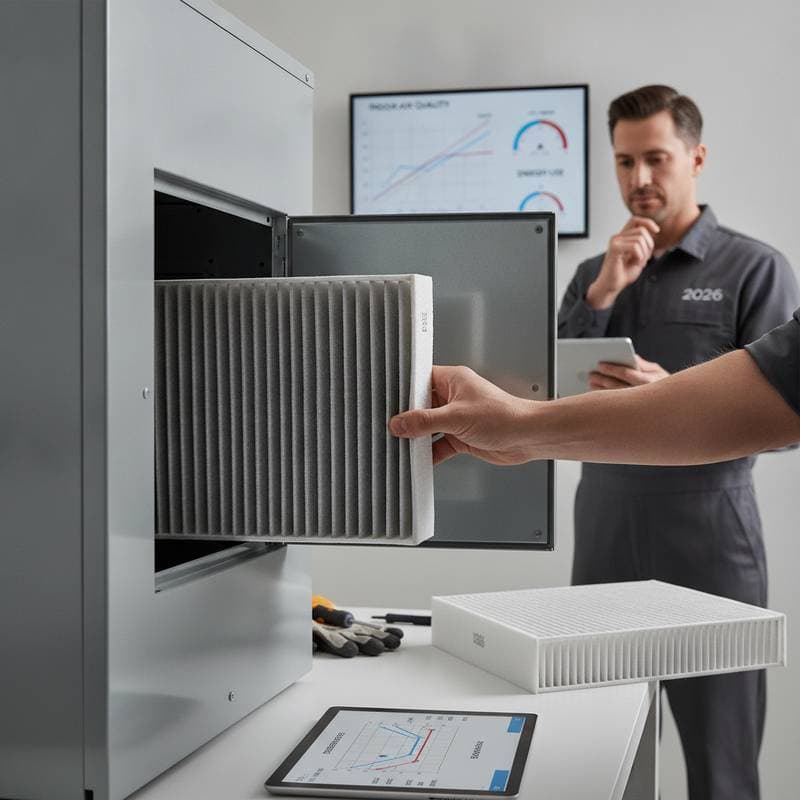
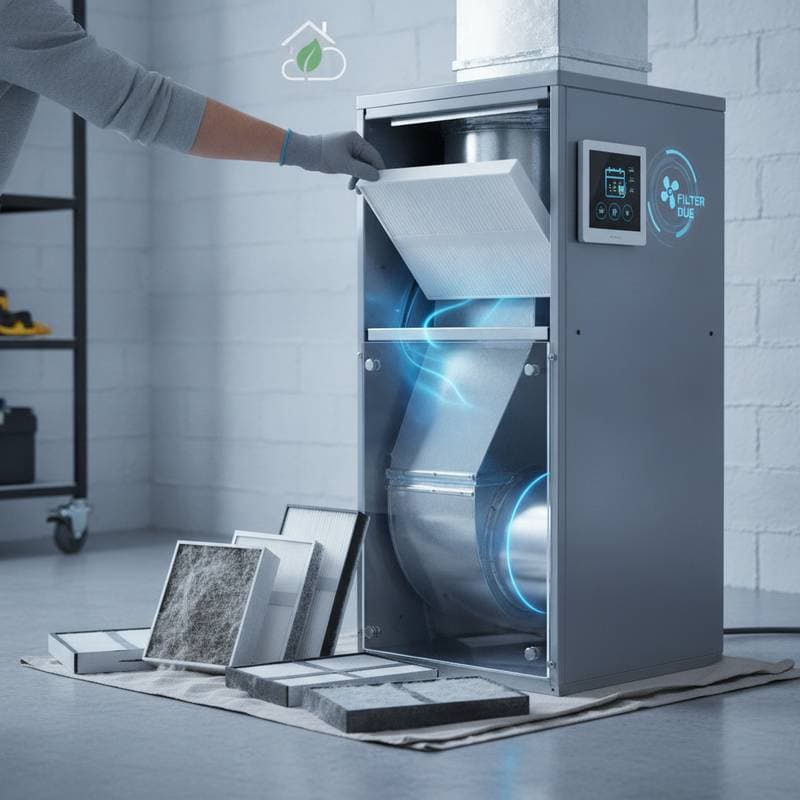
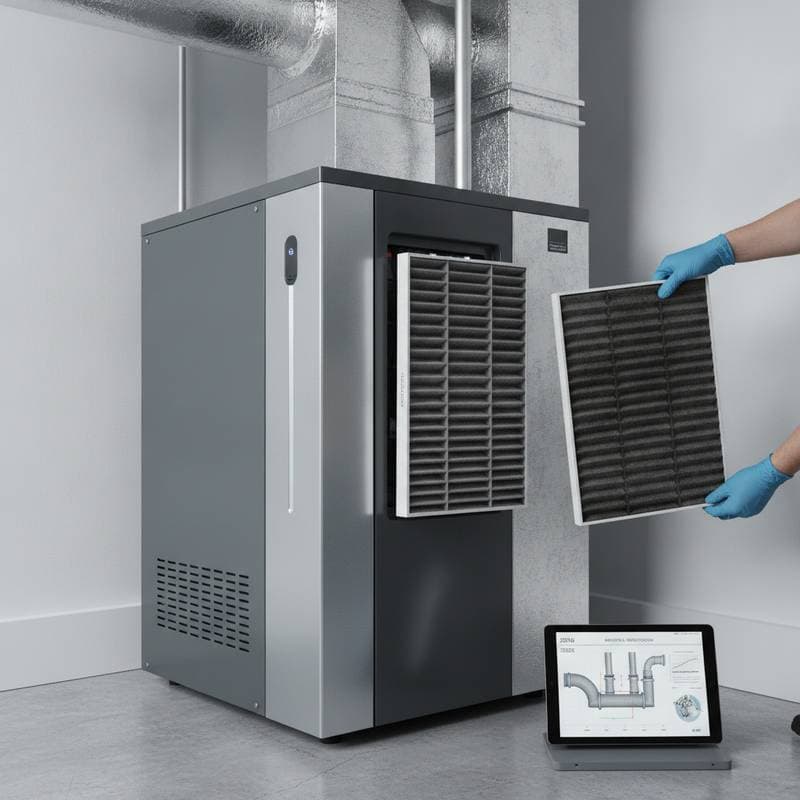
Restricted airflow from a dirty filter ranks as the primary culprit in diminished AC output. Systems struggle to distribute cool air effectively under such conditions. Homeowners should inspect filters monthly during peak usage and swap them every 60 to 90 days.
Filter sizes:
Central units typically require filters measuring 16 by 20 inches to 20 by 25 inches, with depths of 1 to 2 inches. Select replacements that precisely match the dimensions indicated on the existing frame.
Filter rating:
Opt for a Minimum Efficiency Reporting Value (MERV) rating of 8 to 11 in homes. Elevated ratings capture finer particles yet risk impeding flow in units with standard blowers.
For households affected by allergies, pleated filters at MERV 11 improve air purity without compromising system demands.
Step 2: Clean the Outdoor Condenser Unit
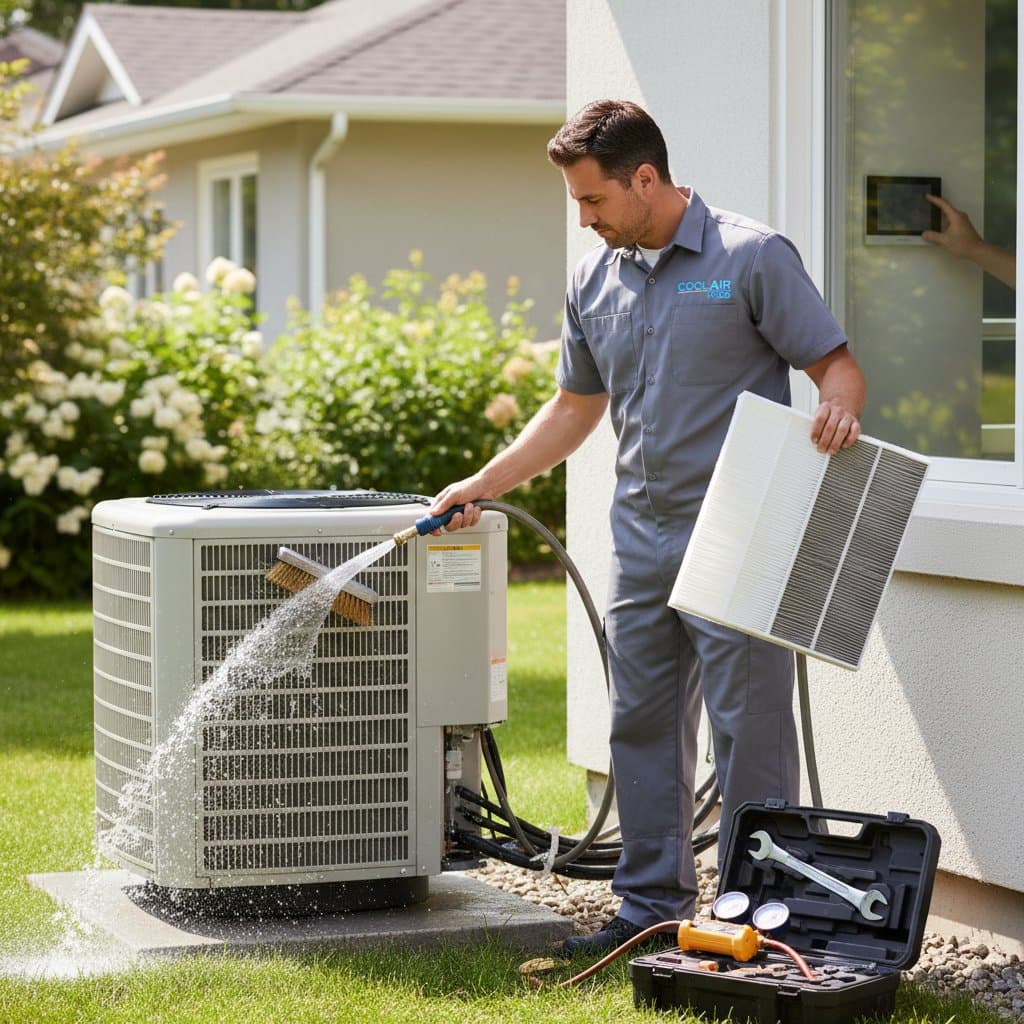
The condenser coil dissipates indoor heat to the exterior environment. Debris accumulation impairs this process, compelling the unit to expend more effort.
How to clean it safely:
- Disconnect power via the nearby switch.
- Lift the top grille without disturbing fan blades.
- Gently brush or vacuum away loose dirt.
- Hose the coils from inside outward using moderate pressure.
- Secure the grille after thorough drying.
Maintain 24 inches of unobstructed space around the unit. Regularly prune nearby foliage and clear fallen debris to sustain ventilation.
Step 3: Check Refrigerant Levels and Lines
Insufficient refrigerant impairs cooling and risks compressor damage. Indicators include audible hisses, frost on lines, or inconsistent indoor temperatures. Technicians employ specialized gauges for accurate pressure assessment and replenishment as required. Homeowners must refrain from handling refrigerants, a task reserved for certified experts due to regulatory and technical complexities.
Step 4: Inspect Electrical Components and Thermostat
Frayed wiring or loose terminals frequently precipitate system shutdowns. Tune-ups involve securing all connections and evaluating capacitors that initiate compressor and fan functions.
Validate thermostat accuracy by comparing it to a trusted thermometer. Discrepancies exceeding 2 degrees warrant adjustment or unit replacement. Installing programmable or smart models can trim cooling expenses by up to 10 percent annually through optimized scheduling.
Step 5: Clear the Condensate Drain Line
Air conditioning extracts humidity, channeling it via a PVC drain. Blockages lead to backups, fostering leaks and microbial growth. Preventive strategies encompass:
- Monthly application of one cup distilled white vinegar to the drain access.
- Suctioning residue with a wet/dry vacuum from the exterior outlet.
- Verifying the line's downward pitch and absence of bends.
Unimpeded drainage eliminates water-related issues and maintains fresh indoor air.
DIY vs Professional Tune-Up
Homeowners manage filter swaps, exterior cleaning, and drain maintenance with basic tools. Delegate refrigerant evaluation, electrical diagnostics, and coil inspections to licensed specialists. Expect professional fees of $100 to $200, varying by region and unit scale. This investment pales against emergency interventions, which often surpass $400 amid peak demand.
Common Mistakes to Avoid
- Ignoring small noises: Unusual sounds signal impending component failure; address them promptly to avert extensive damage.
- Overwatering the condenser: Excessive force warps delicate fins, hindering heat exchange.
- Skipping yearly checks: Subtle deteriorations compound over time, even in seemingly stable systems.
- Blocking vents: Restricting multiple outlets strains the evaporator, potentially causing coil icing.
Steering clear of these pitfalls ensures even temperature distribution and prolongs equipment durability.
Accessibility and Safety Considerations
Individuals with mobility challenges benefit from professional assistance for elevated or outdoor tasks. Always de-energize the unit before accessing internals. Wear protective gloves to guard against jagged edges on filters and coils. Attic-mounted systems demand stable access platforms and adequate illumination for safe entry.
Choosing the Right Professional
Seek technicians certified by the North American Technician Excellence (NATE) or affiliated with the Air Conditioning Contractors of America (ACCA). Request itemized quotes, liability coverage verification, and client testimonials. Established providers conduct thorough examinations beyond superficial reviews, delivering comprehensive reports.
Schedule Your Tune-Up for Peak Performance
Integrate AC maintenance into your seasonal routine to safeguard comfort and finances. Early intervention identifies vulnerabilities before heat waves strike. Contact a qualified service today to secure a slot and enjoy uninterrupted cooling all season.