Essential AC Tune-Up Steps to Avoid Summer Failures
As temperatures rise, the air conditioner emerges as a critical component of home comfort. A pre-summer tune-up wards off expensive malfunctions, lowers electricity usage, and sustains a pleasant indoor environment throughout the season. Homeowners often view professional servicing as overly complex or costly, yet basic procedures yield substantial improvements in operation and dependability.
Reasons for Routine AC Maintenance
Air conditioning units diminish in efficiency by approximately five percent annually without upkeep. Accumulation of dust, pollen, and moisture compels the system to labor excessively for cooling. Periodic cleaning and examination enable smooth function and prolong service life by multiple years. HVAC professionals in online home improvement communities note that a properly maintained unit consumes up to 20 percent less power than an overlooked counterpart.
Neglect frequently results in issues like refrigerant escapes, iced coils, or compressor breakdowns. Such fixes cost considerably more than routine inspections. Maintenance serves not only comfort but also safeguards financial investment in the equipment.
Step 1: Disconnect Power Supply for Protection
Prior to any maintenance, switch off the electricity to the air conditioner via the circuit breaker panel. This measure eliminates risks of electrical hazards during cleaning or evaluation. Professionals emphasize that even simple filter swaps demand power isolation to prevent harm.
Step 2: Clean or Swap the Air Filter
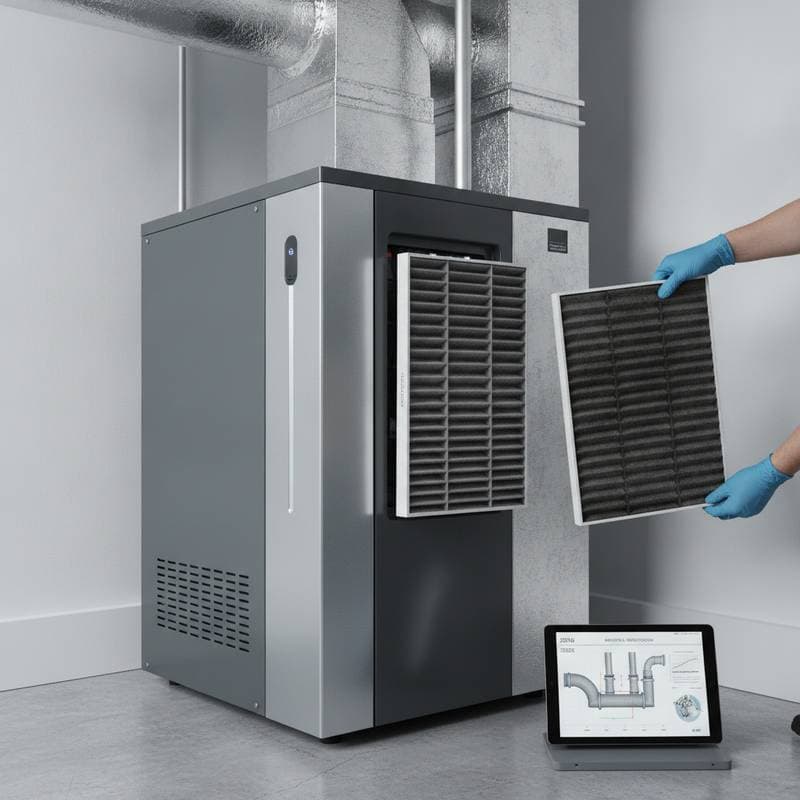
Obstructed filters impede airflow and strain the system. Exchange disposable filters or wash reusable versions every one to two months amid intense operation. Select filters with a medium MERV rating to optimize air purity alongside equipment efficacy. An HVAC specialist in a video tutorial remarked, "A clean filter represents the most economical safeguard for your cooling apparatus."
Step 3: Remove Debris from the Outdoor Condenser
The exterior unit requires unobstructed surroundings for effective air circulation. Trim vegetation such as bushes or grass to maintain at least two feet of clearance. Clear leaves, soil, and twigs from the upper and lateral surfaces. Employ a garden hose for rinsing accumulated grime, taking care to avoid direct water contact with electrical components. This upkeep facilitates efficient heat dissipation from coils, thereby enhancing cooling performance and curbing energy expenditure.
Step 4: Examine the Condenser Coils
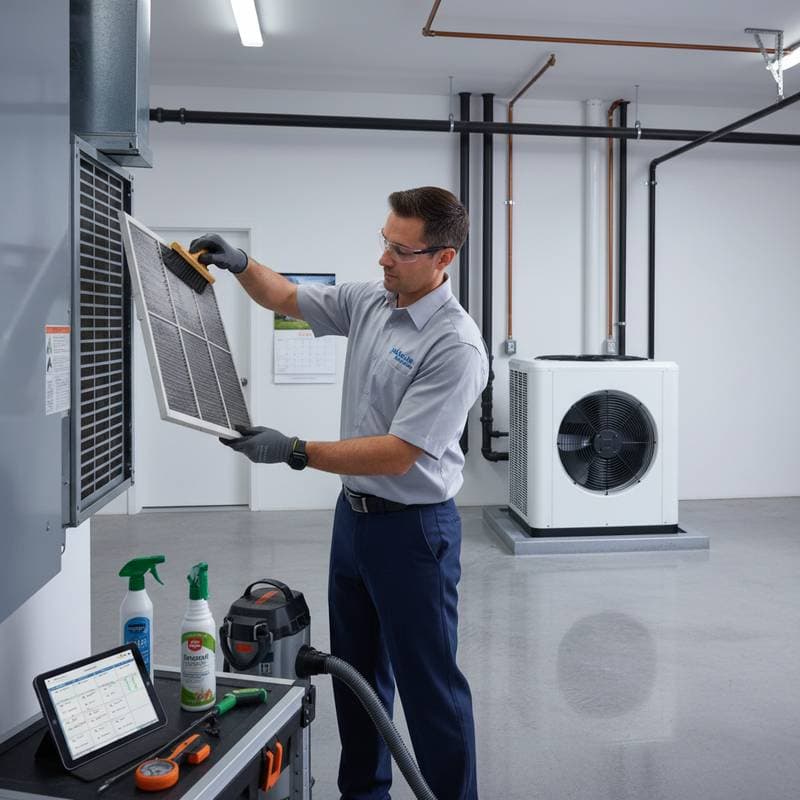
Sullied coils retain heat and impair overall efficiency. With power deactivated, detach the protective grille and softly dislodge dirt using a fine paintbrush. For thorough cleansing, apply a specialized coil cleaner from hardware retailers. Allow the solution to penetrate for several minutes before rinsing completely. Residents in arid, dusty regions benefit from more frequent repetitions to inhibit residue formation.
Step 5: Evaluate Refrigerant Lines
Inspect the copper tubing connecting the outdoor condenser to the indoor evaporator for insulation integrity. Address any absent or fractured sections by installing foam sleeves. Proper insulation preserves optimal cooling levels and inhibits moisture condensation along the lines.
Step 6: Verify Thermostat Functionality
A malfunctioning thermostat disrupts cycling patterns, leading to excessive or insufficient operation. Adjust the setting several degrees below ambient temperature and observe for system activation. Should response fail, substitute batteries or scrutinize connections. Programmable models from manufacturers like Ecobee or Nest adapt to daily routines, thereby optimizing energy use through automated adjustments.
Step 7: Check the Condensate Drain
This line expels excess moisture from the indoor coil. Clogs from algae or mold buildup provoke overflows and structural harm. Introduce one cup of white vinegar into the access point to eradicate microbial growth and dissolve deposits. Persistent blockages necessitate a wet-dry vacuum applied at the exterior outlet for extraction.
Step 8: Monitor for Abnormal Noises
Upon completing initial tasks, restore power and attend to operational sounds. Indications of trouble include grinding, clattering, or high-pitched whines signaling loose elements or degraded components. Immediate shutdown and professional consultation prevent escalation to total failure.
Distinguishing DIY Tasks from Professional Services
Homeowners manage filter care, surface cleaning, and thermostat assessments with ease. Operations concerning refrigerant charges, electrical diagnostics, or substantial part overhauls demand certified HVAC expertise. Expert evaluations encompass pressure gauging, lubrication of motors, and comprehensive system analysis. Standard professional fees range from seventy to one hundred fifty dollars, a fraction of compressor replacement expenses.
Recommended Maintenance Frequency
Conduct a full tune-up prior to the onset of cooling demands. In regions with extended warm periods, incorporate a midsummer review. Such regularity ensures fluid performance of compressors, fans, and coils during peak heat. Annual contracts often provide dual inspections, covering both cooling and heating cycles for year-round reliability.
Financial Benefits and Efficiency Gains
Consistent tune-ups yield reported reductions in energy use ranging from ten to thirty percent relative to unmaintained units. Enhanced cleanliness accelerates cooling cycles, shortening runtime and diminishing utility charges. Across the equipment's lifespan, these efficiencies accumulate to substantial monetary relief. Reduced component stress further postpones the need for full replacements.
Strategies to Forestall Emerging Problems
Adhering to a structured maintenance schedule shields against unanticipated disruptions and upholds comfort amid soaring temperatures. Maintain an accessible list of priorities: monthly filter attention, seasonal coil and drain scrutiny, plus pre-peak professional oversight.
Safeguarding Long-Term Equipment Value
The air conditioner ranks among the home's primary mechanical assets. Diligent tune-ups amplify durability, minimize urgent interventions, and stabilize operational expenses. Through personal efforts or expert assistance, modest seasonal investments deliver superior functionality and assured tranquility.