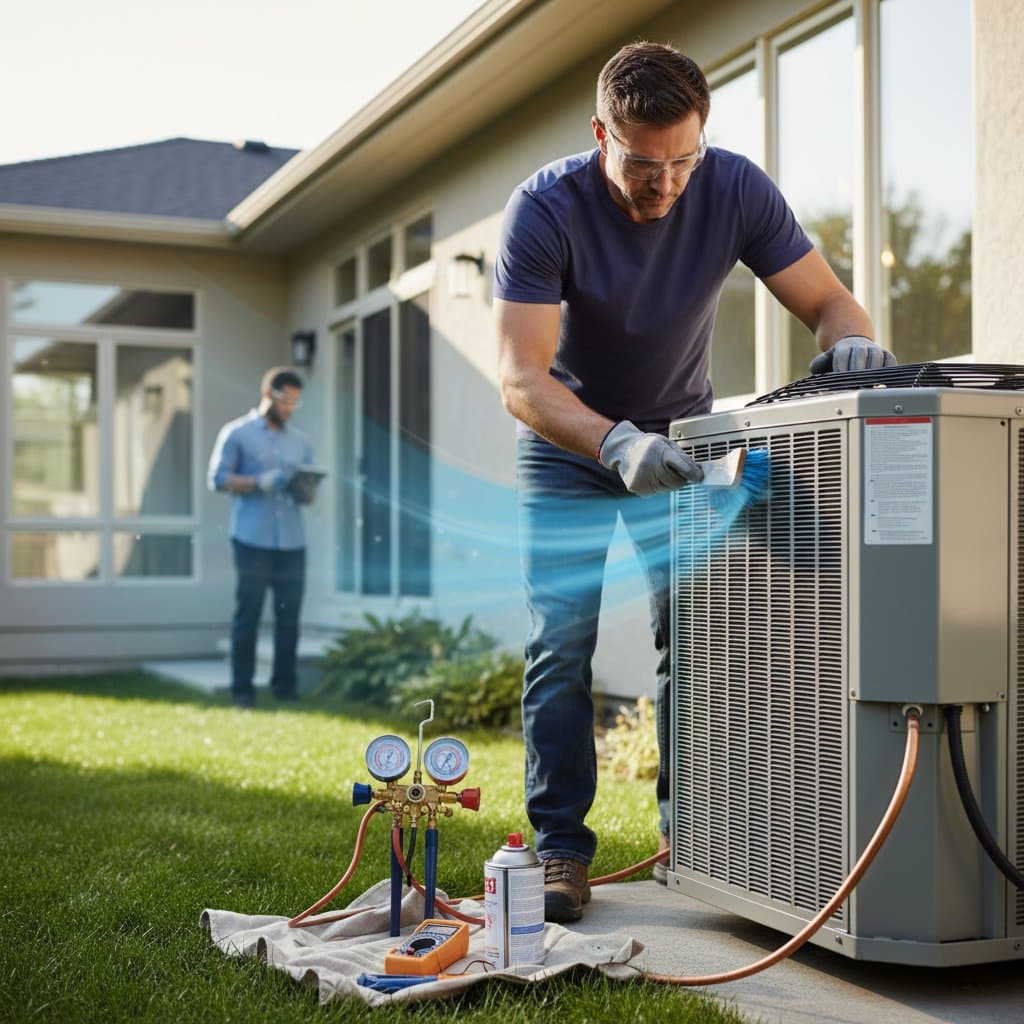
The AC Tune-Up That Prevents Summer Breakdowns
Summer heat transforms a reliable air conditioner into an essential home feature. Homeowners often delay activation until the first warm spell, only to encounter inadequate cooling or complete failure. A professional tune-up eliminates these risks, ensuring the system operates efficiently and withstands intense seasonal demands. Such maintenance prolongs equipment lifespan, cuts energy expenses, and averts expensive fixes during high-demand periods.
Why AC Tune-Ups Deliver Lasting Value
Air conditioners accumulate dust, pollen, and debris over months of inactivity. These contaminants reduce coil performance, clog filters, and alter refrigerant levels. The system then labors excessively to maintain comfortable temperatures, accelerating wear and elevating utility bills.
HVAC professionals report that annual tune-ups lower breakdown probabilities by as much as 40 percent. They also sustain efficiency close to the unit's initial specifications, often within 5 percent. These improvements translate to noticeable savings on summer energy costs.
Beyond basic cleaning, a tune-up involves comprehensive diagnostics. Technicians detect emerging faults, verify safety mechanisms, and optimize airflow to preserve both performance and indoor comfort.
The Essential AC Tune-Up Checklist
Professional services extend beyond superficial checks of the outdoor unit. Technicians execute a systematic evaluation of all components. This outline equips homeowners with insight into the process, fostering informed decisions about service investments.
-
Thermostat calibration
Technicians verify reading precision and adjust settings as required. Inaccurate thermostats lead to frequent on-off cycles or inconsistent room temperatures. -
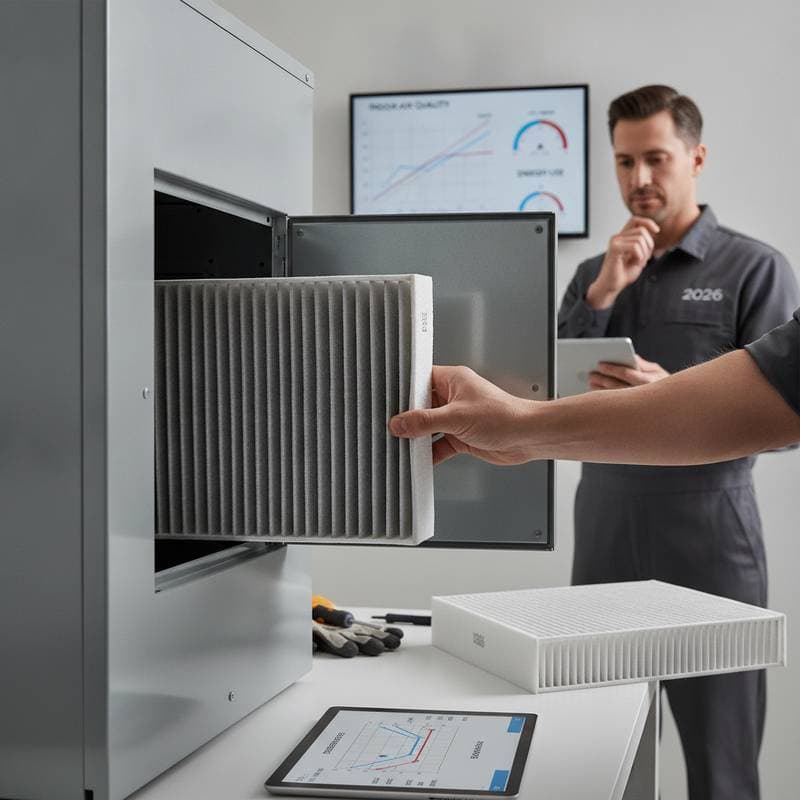
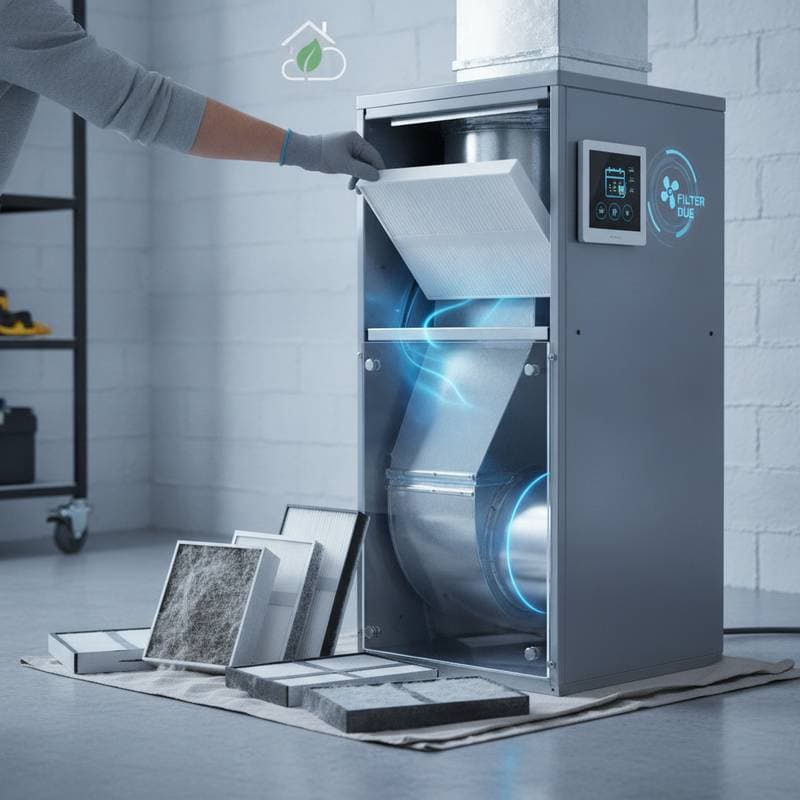
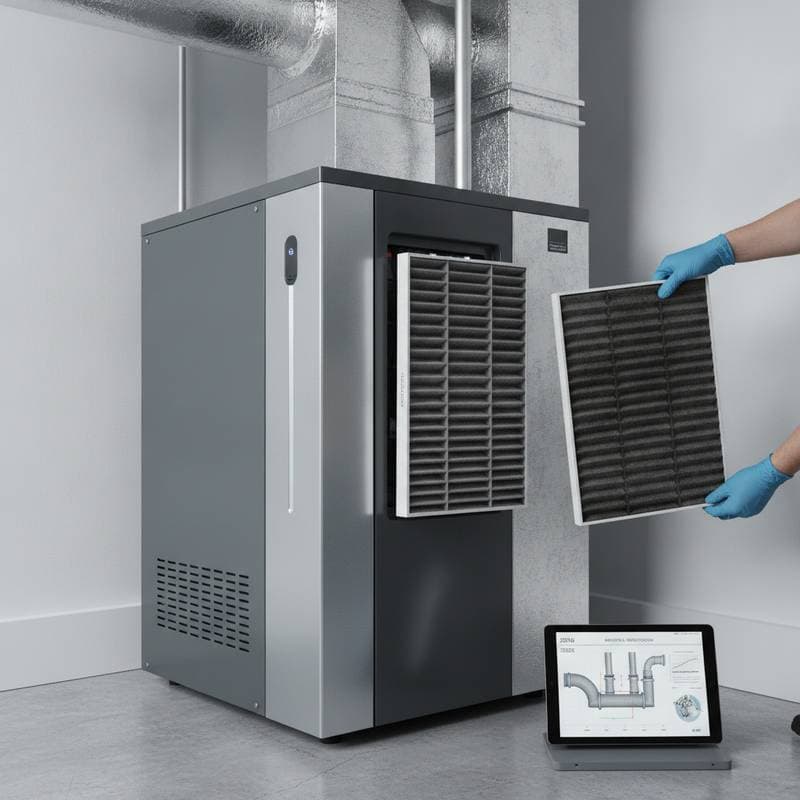
Air filter replacement
Fresh filters enhance airflow and system efficiency. While monthly changes fall to homeowners, experts confirm compatibility with the unit's specifications. -
Condenser coil cleaning
Accumulated grime on exterior coils hampers heat dissipation. Thorough cleaning accelerates cooling cycles and eases compressor workload. -
Evaporator coil inspection
Restricted indoor airflow risks coil icing. Technicians examine for buildup or damage and perform necessary surface decontamination. -
Refrigerant level check
Insufficient refrigerant indicates potential leaks and diminishes cooling capacity. Pressure assessments guide precise recharges, followed by leak detection protocols. -
Electrical connection tightening
Frayed or loose wiring compromises operation and poses hazards. Secure connections maintain stable voltage and prevent electrical failures. -
Fan motor and blade inspection
Fans require unobstructed rotation at optimal speeds. Deformed blades or fatigued motors impair circulation and strain the system. -
Drain line cleaning
Blockages in drainage paths cause indoor flooding from condensate. Professionals clear obstructions to facilitate smooth water evacuation. -
System performance test
Measurements of air temperature differentials validate effective heat exchange between intake and output vents. -
Safety control check
Switches, sensors, and circuit boards undergo rigorous testing to guarantee fail-safe responses during operation.
DIY Preparation Before Professional Service
Homeowners contribute effectively by preparing the site in advance. Remove foliage and debris encircling the outdoor condenser to promote unrestricted ventilation. Maintain a two-foot clearance from surrounding plants to avoid airflow interference.
Indoors, ensure registers remain unobstructed and operational. Swap out soiled filters promptly to aid the upcoming evaluation. These preparations streamline the technician's work and yield more precise assessments.
Document any irregularities prior to the appointment, such as temperature imbalances, atypical sounds, or elevated moisture levels. This information enables targeted troubleshooting and quicker resolutions.
Cost and Value Breakdown
Tune-up fees typically undercut the expense of urgent repair interventions. Homeowner experiences indicate average service rates remain affordable, yet they shield against repair costs that escalate rapidly into substantial sums.
Optimized components, including pristine coils and balanced refrigerant, can trim cooling expenses by up to 15 percent. Cumulative savings across the unit's duration often offset multiple maintenance sessions. Certain warranties mandate documented annual servicing to remain enforceable.
Select providers boasting certifications, insurance coverage, and comprehensive packages that blend cleaning with diagnostics. Review feedback on trusted platforms to gauge service quality and dependability.
When to DIY and When to Call a Professional
Routine upkeep like filter swaps, unit perimeter clearing, and register dusting suits homeowner capabilities. However, tasks involving refrigerants, wiring, or enclosed mechanisms demand expert intervention. Unauthorized handling risks equipment harm or warranty invalidation.
Specialized instruments, such as pressure gauges for refrigerants and voltage testers for circuits, equip professionals for accurate interventions. They also fine-tune duct configurations for uniform temperature distribution throughout the home.
Immediate professional assistance proves essential for signs like coil frost, diminished air output, or unit-adjacent moisture accumulation. Continued operation under these conditions invites irreversible component degradation.
Safety and Preparation Tips
Prioritize safety by disconnecting power via the circuit breaker before any manual inspections. Refrain from directing water streams toward electrical elements or rotating fans. Employ gentle brushes or moderate water pressure solely for exterior coil maintenance.
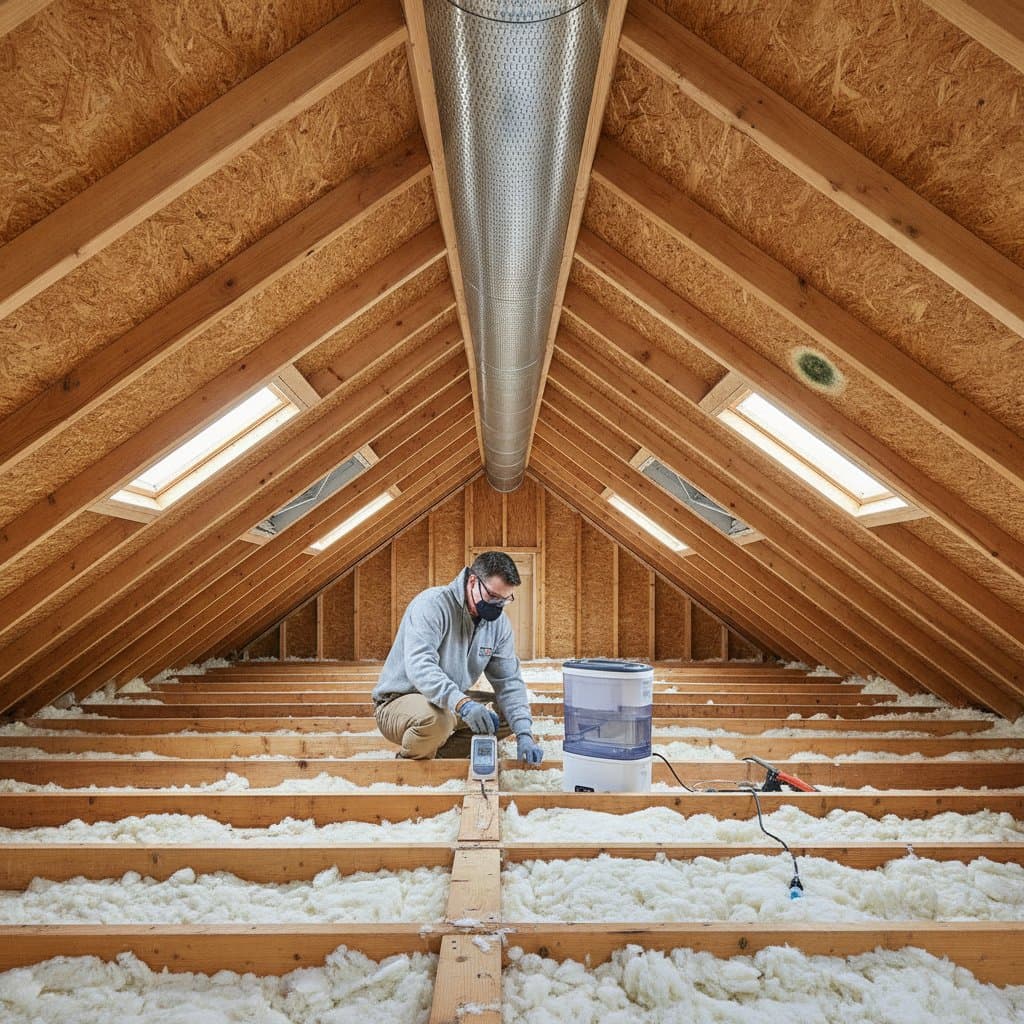
For interior components, stick to mild soap solutions rather than abrasive cleaners. In confined installations like attics, identify and report insulation gaps or wiring exposures to service experts.
Opt for off-peak scheduling to allow ample resolution time ahead of intense heat waves, benefiting both efficiency and preparedness.
Long-Term Benefits of Regular Tune-Ups
Ongoing care minimizes stress on critical elements like compressors and fans, thereby extending overall durability. It further promotes superior air purity by curbing allergen and microbial growth within pathways and surfaces.
Well-maintained units provide steady climate control with reduced operational noise. Adopters of structured maintenance programs from regional providers often enjoy expedited service access and repair incentives, enhancing overall value.
Protecting Your Cooling System Investment
Air conditioners constitute significant household assets warranting diligent oversight. Annual tune-ups safeguard this investment, delivering unwavering performance during peak usage.
Establish springtime alerts for service bookings to preempt seasonal strains. Consistent preventive measures, whether self-managed or professionally administered, ensure serene summers and sustained home comfort.