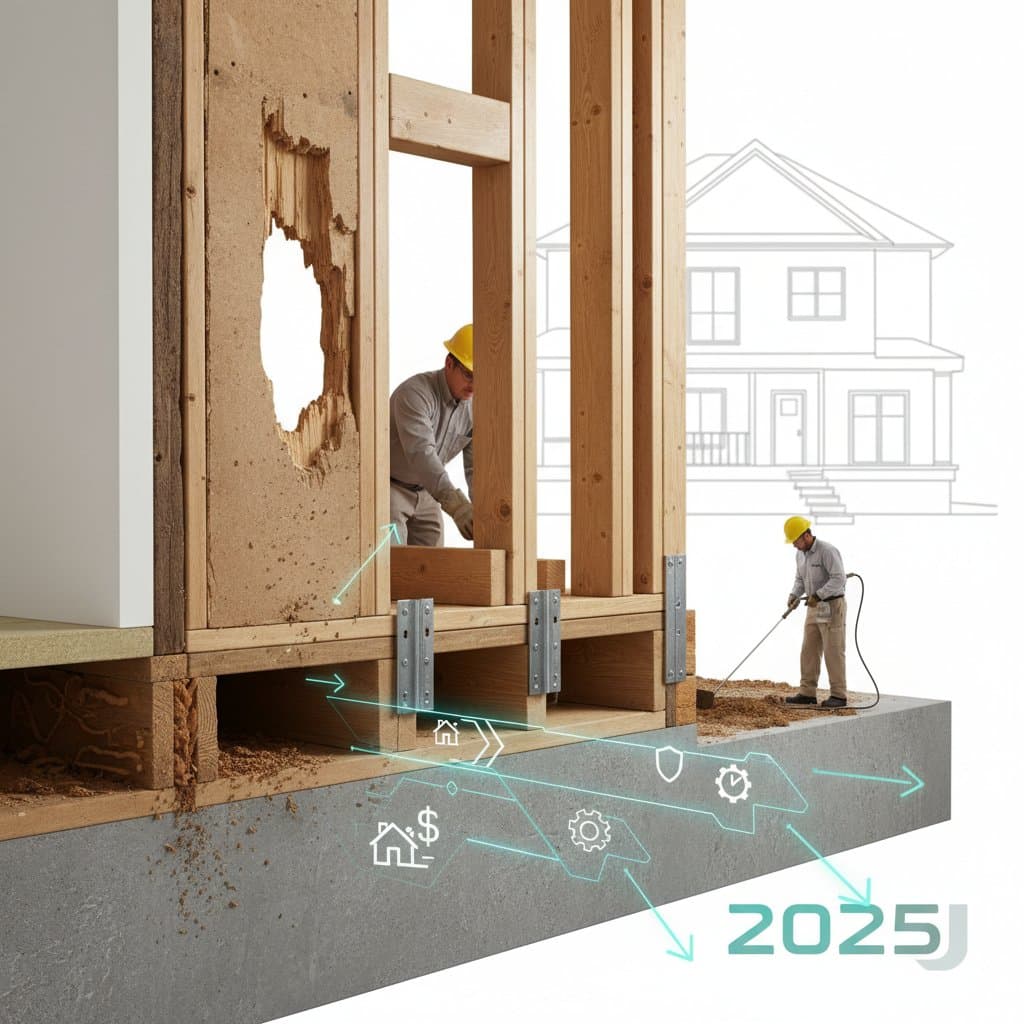
Breaking Down Termite Damage Repair Costs for 2025
Termites operate as silent destroyers, weakening a home's structure long before any signs emerge. Repairing this damage ranks among the most intricate and costly home restoration projects, particularly when structural framing or foundation elements suffer compromise. Homeowners gain clarity by understanding cost calculations, which aids in planning prevention and restoration efforts. This guide details influencing factors, repair options, and strategies for managing damage alongside ongoing protection.
Understanding the Scope of Termite Damage
The extent of termite damage depends on the infestation's duration and nesting locations. In milder cases, harm limits to wall studs or baseboards. Severe scenarios involve load-bearing beams or subflooring, escalating repair complexity.
Costs hinge on three key variables: infestation size, affected structural components, and access to damaged zones. Pest control specialists emphasize that colonies extend several feet through wood, insulation, or soil, linking one house section to another undetected. Visible indicators often signal advanced issues, necessitating combined carpentry and pest eradication.
Typical Cost Ranges for Termite Repairs
Termite repair expenses divide into three categories based on damage severity.
-
Minor Cosmetic Repairs
These tasks cover replacing trim boards, baseboards, or small drywall sections. Expenses range from $200 to $800, varying with materials and local labor rates. Homeowners with carpentry skills may perform these independently to cut costs, though a professional inspection confirms isolation of the damage. -
Moderate Structural Repairs
Infestations targeting wall framing, floor joists, or roof supports demand drywall removal, lumber replacement, and beam reinforcement. Professional services for such work span $1,000 to $5,000, scaled to the affected area's size. -
Extensive Structural or Foundation Repairs
When termites invade foundations or primary support beams, repairs include lifting home sections, subfloor replacement, or full wall system reconstruction. These projects cost $5,000 to $20,000 or higher, often requiring structural engineering input.
Factors That Influence Termite Repair Costs
Multiple elements shape repair expenses, with some controllable through homeowner actions and others tied to infestation scale.
Type of Termite
Subterranean termites inflict broader harm than drywood varieties, as they originate underground and assault wood from beneath. Accurate species identification allows contractors to gauge repair scope precisely.
Location and Accessibility
Concealed damage in walls, crawl spaces, or attics demands demolition and reconstruction, inflating costs. Exposed sites like decks or sheds permit straightforward access and lower expenses.
Material Replacement Costs
Pricing for solid wood beams, hardwood floors, or trim fluctuates. Replicating antique or custom woodwork exceeds the cost of standard framing substitutes.
Labor Rates and Professional Services
Regional differences affect labor pricing, with expert carpenters or engineers commanding higher fees for reconstruction. Pest technicians contribute additional charges for colony elimination follow-ups.
Insurance Coverage
Standard homeowners policies exclude termite damage, viewing it as maintenance-related. Specialized warranties or protection plans offer coverage, but require separate acquisition. Verify policy details prior to contractor engagement.
The Relationship Between Treatment and Repair
Addressing physical damage alone invites recurrence without colony elimination. Integrated treatment and restoration minimize future issues. Experts advise synchronizing these processes to avert reinfestation amid rebuilding.
Professional treatments encompass soil barriers, bait systems, or wood applications, each with distinct pricing from $800 to $2,500 initially.
- Liquid Chemical Barriers apply to foundation soil, offering multi-year protection.
- Bait Systems draw termites to poisoned stations, necessitating periodic checks.
- Wood Treatments infuse beams or panels, safeguarding vulnerable zones.
Treatment fees stand apart from repairs yet prove vital to preserving reconstruction investments.
DIY vs. Professional Termite Repair
Skilled homeowners manage minor damage, but structural work demands licensed experts for safety and durability.
DIY Repairs
Replace trim, small wall panels, or localized flooring to bypass labor fees. Risks arise without thorough infestation assessment, potentially masking active colonies.
Professional Repairs
Specialists deploy tools like moisture meters, borescopes, and infrared cameras to detect hidden issues. They ensure safe structural replacements and extend warranties, outweighing initial costs with sustained reliability.
Preventing Future Termite Damage
Prevention focuses on moisture reduction and food source removal. Implement these steps for effective defense.
- Clear gutters and downspouts to divert water from foundations.
- Store firewood or lumber away from home exteriors.
- Seal foundation cracks and utility penetrations.
- Maintain soil-to-siding clearance of at least six inches.
- Arrange yearly inspections via certified pest services.
Proactive measures slash infestation risks. Service contracts from pest firms provide monitoring and renewals, proving economical over major repair bills.
Working with Contractors and Inspectors
Choosing qualified professionals streamlines restoration efficiency and safety. Seek licensed termite repair specialists with verifiable references and project portfolios. Engage structural engineers for load-bearing concerns.
For pest control, verify certifications and warranties. Bundled eradication-repair packages coordinate efforts, often trimming overall expenses through unified oversight.
Long-term Benefits of Timely Termite Repairs
Swift action halts damage progression and preserves property worth. Documented inspections and repairs accelerate sales and boost values, as buyers favor properties with recent reports and transferable guarantees.
Neglect risks floor instability, ceiling droops, or collapse in extreme instances. Early intervention safeguards structural integrity and resident well-being.
Sustaining Termite-Free Home Integrity
Post-repair, annual inspections remain essential, particularly in termite-prone areas. Promptly replace moisture-affected wood and adhere to recommended bait or barrier protocols.
Document all inspections, treatments, and repairs meticulously. Such records demonstrate diligent upkeep, enhancing buyer trust during sales.
View termite management as continuous home stewardship. Through cost awareness and strategic planning, homeowners secure financial stability and enduring property safety.