Prepare for Summer Comfort: Essential HVAC Tune-Up Checklist for 2026
As temperatures rise, a dependable cooling system becomes essential for home comfort. An HVAC tune-up ensures efficiency, safety, and reliability during the warmest periods. Homeowners who delay maintenance until a heatwave often encounter system failures that lead to discomfort and high repair costs. Proactive care identifies minor problems early, avoiding major disruptions.
This resource provides a comprehensive overview of HVAC preparation for summer. It features a step-by-step checklist, professional recommendations, and guidance for self-inspections alongside expert services. Implementing these measures lowers energy use, prolongs system longevity, and delivers consistent cooling performance.
Essential Steps in the HVAC Tune-Up Process
A thorough tune-up addresses mechanical, electrical, and airflow elements. Professionals or informed homeowners can follow this structured list to maintain optimal function.
1. Examine and Renew Air Filters
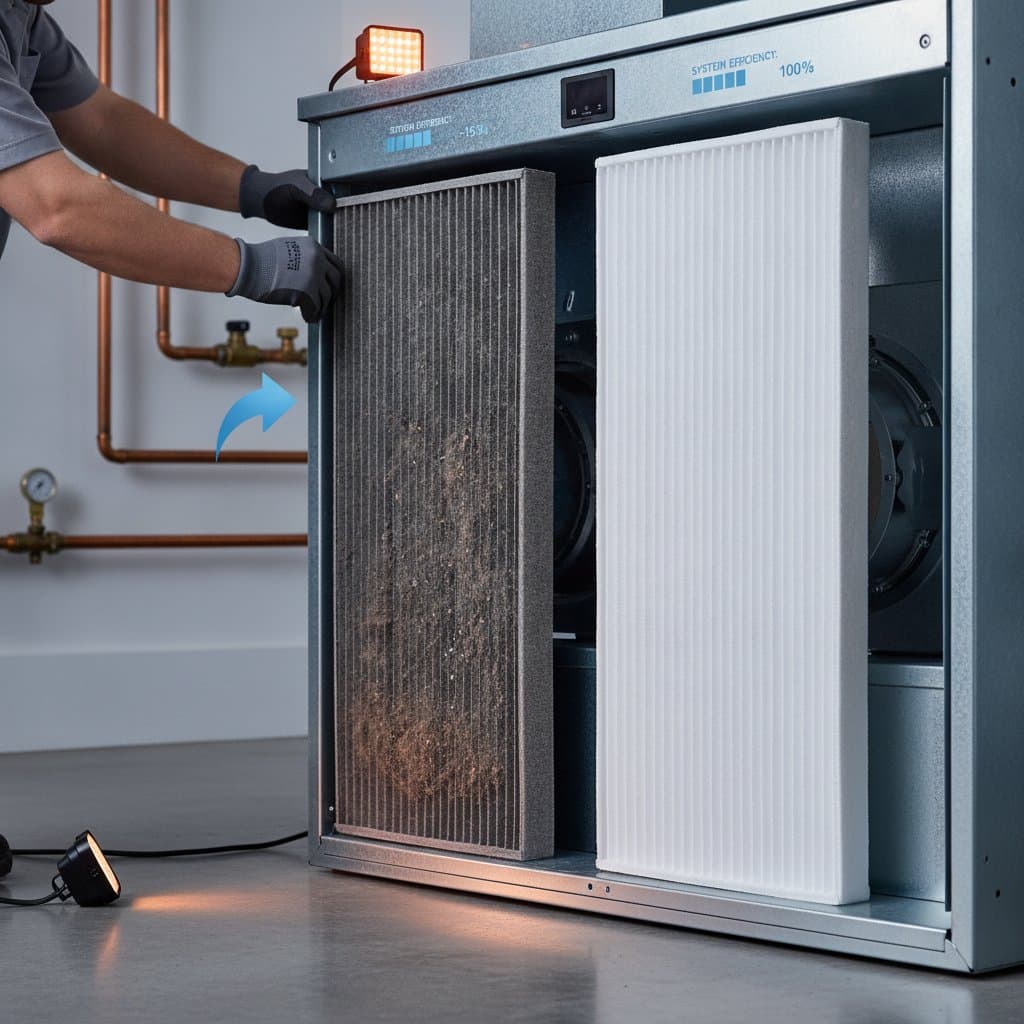
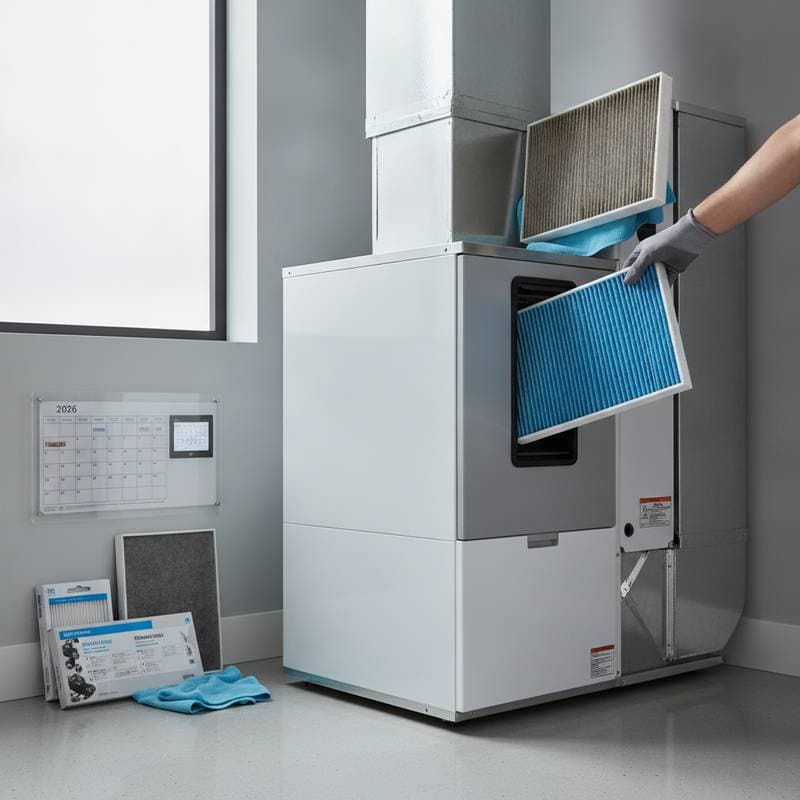
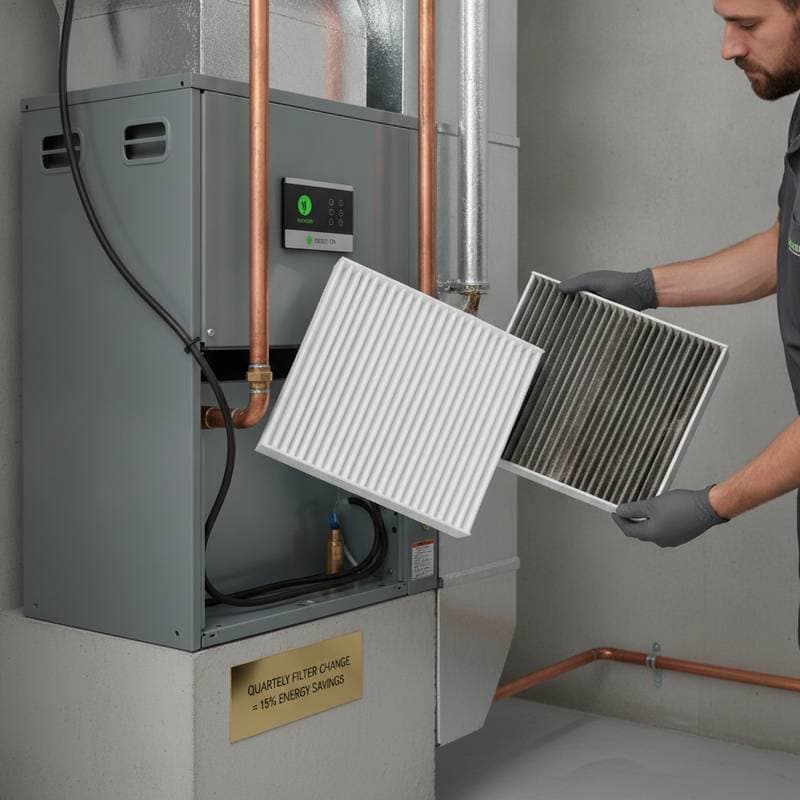
Clogged filters impede airflow, forcing the system to consume more energy. Inspect filters each month during intensive operation and replace them every one to three months, adjusted for factors like pet presence or dust levels. Clean filters enhance cooling effectiveness and promote healthier indoor environments by trapping allergens and particles.
2. Clean Outdoor Condenser Coils
Debris accumulation on condenser coils hinders heat dissipation. Disconnect power before removing the access panel and brushing away dirt with a soft tool or applying a specialized cleaner. Steer clear of forceful water streams that might damage delicate fins. For severe buildup, engage a technician to restore full heat transfer capability.
3. Service the Evaporator Coil and Drainage
The evaporator coil inside the air handler manages air cooling and moisture removal. Accumulated dust or microbial growth in the drain line leads to water issues or unpleasant odors. Clear obstructions with a vacuum or brush, then introduce a vinegar solution to inhibit mold development and ensure unobstructed drainage.
4. Confirm Thermostat Functionality
Inaccurate thermostats result in inconsistent temperatures and elevated expenses. Cross-check the display against an independent thermometer. Recalibrate if discrepancies exceed one degree, or upgrade to a smart thermostat that optimizes settings based on occupancy patterns, potentially saving up to 10 percent on cooling costs.
5. Evaluate Duct Integrity
Duct leaks waste conditioned air, reducing system efficiency. Inspect visible sections in attics or crawl spaces for separations or insulation wear. Seal minor breaches with metal-backed tape or sealant. Professionals use diagnostic tools to detect hidden leaks in complex setups, often recovering 20 percent of lost airflow.
6. Lubricate Mechanical Components
Moving parts such as fans and motors require lubrication to minimize resistance. Insufficient oil leads to excessive heat and premature deterioration. Remove old residue, then apply recommended lubricants sparingly to specified points, following manufacturer guidelines for type and quantity.
7. Inspect Electrical Components
Faulty connections pose safety risks and impair performance. Look for signs of corrosion, loose fittings, or insulation damage. Secure terminals with the correct tools. Immediate professional intervention is required for any evidence of arcing, scorching, or irregular scents.
8. Assess the Blower Assembly
The blower circulates air through the home. Remove dust from fan blades, test for balance, and verify belt tension without cracks or slippage. Noises like whining suggest belt replacement, while vibrations indicate bearing or alignment problems needing expert adjustment.
9. Monitor Refrigerant Charge
Insufficient refrigerant diminishes cooling power and risks coil icing. Homeowners should not recharge systems, but observe indicators like reduced output, frost formation, or refrigerant escape sounds. Certified technicians diagnose and repair leaks to comply with environmental regulations and restore capacity.
10. Evaluate Overall System Operation
With maintenance complete, restore power and run the unit. Cooled air should emerge promptly, with uniform distribution from registers. Monitor the condenser for quiet, steady function free of shakes or anomalies, confirming the system's readiness for seasonal demands.
Investment Analysis: Costs and Efficiency Gains
Professional tune-ups typically range from $75 to $200, depending on system complexity and regional pricing. This expenditure equates to routine household upkeep and averts repairs that exceed $1,000. Many services include priority scheduling for future needs.
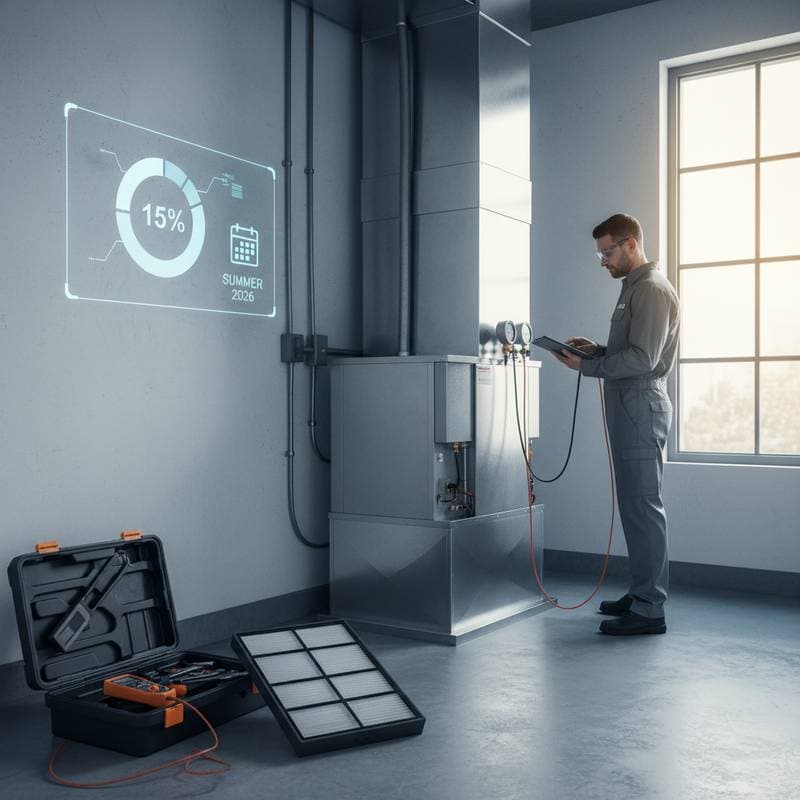
Maintenance yields rapid returns through reduced power draw. Optimized systems operate at peak efficiency, cutting electricity use. According to energy experts, consistent care boosts performance by 15 to 20 percent, yielding monthly bill reductions of $20 to $50 in high-use areas.
For aging units over 10 years, technicians may recommend replacements featuring inverter technology and eco-friendly refrigerants. These models provide superior efficiency ratings, often qualifying for utility rebates that offset initial costs.
Indicators of Urgent HVAC Service Needs
Routine care minimizes issues, yet vigilance remains key. Address these symptoms promptly to prevent escalation.
- Warm airflow from registers signals refrigerant deficiency or compressor strain.
- Frequent cycling points to airflow restrictions or control malfunctions.
- Abnormal sounds, such as banging or screeching, reveal loose parts or friction.
- Strange smells, including electrical burning or dampness, indicate wiring hazards or contamination.
- Persistent indoor moisture suggests drainage failures or coil inefficiencies.
Sustaining Long-Term HVAC Performance
Effective maintenance transforms the HVAC into a resilient asset for seasonal comfort. Integrate basic home tasks with annual professional reviews to safeguard against failures and optimize energy use.
Consistent adherence leads to smoother operation, fewer interruptions, and purer air circulation. Adapt practices to local conditions, whether high humidity or arid heat, emphasizing cleanliness, ventilation, and calibration. Book services in advance to secure availability and ensure your system handles summer challenges with ease.