Prepare Your AC for Peak Summer Performance
A well-maintained air conditioner delivers reliable cooling and significant energy savings. Homeowners often overlook routine care until discomfort arises during intense heat. Proactive maintenance enhances efficiency, reduces strain on the system, and can lower cooling costs by up to 15 percent, according to energy experts. This comprehensive guide outlines essential steps to ready your AC unit, ensuring comfort and cost savings all season.
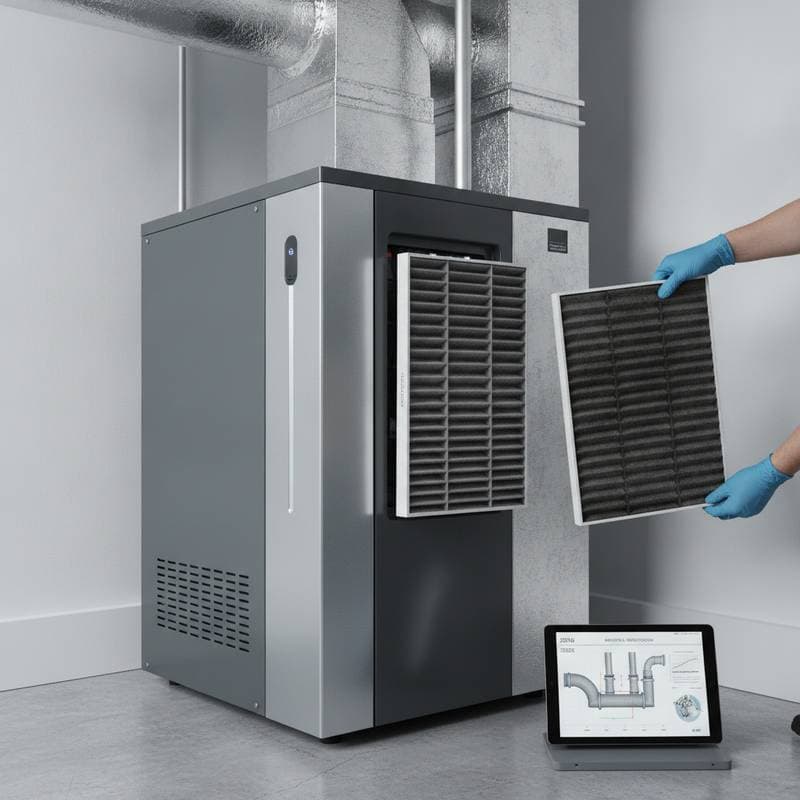
Step 1: Replace or Clean the Air Filter
The air filter serves as the first line of defense against dust and debris in your HVAC system. A clogged filter impedes airflow, compels the blower to labor excessively, and elevates energy consumption. Over time, accumulated particles diminish indoor air quality and risk coil freezing, which further hampers cooling.
Examine the filter monthly during peak usage periods. Replacement intervals vary from one to three months based on household factors such as pet presence, allergy concerns, or environmental dust levels. Select a filter with an appropriate MERV rating to balance particle capture and system compatibility; consult the unit manual for precise guidance to avoid restricting airflow.
Regular filter maintenance alone can improve efficiency by 5 to 15 percent, directly translating to noticeable reductions in electricity bills.
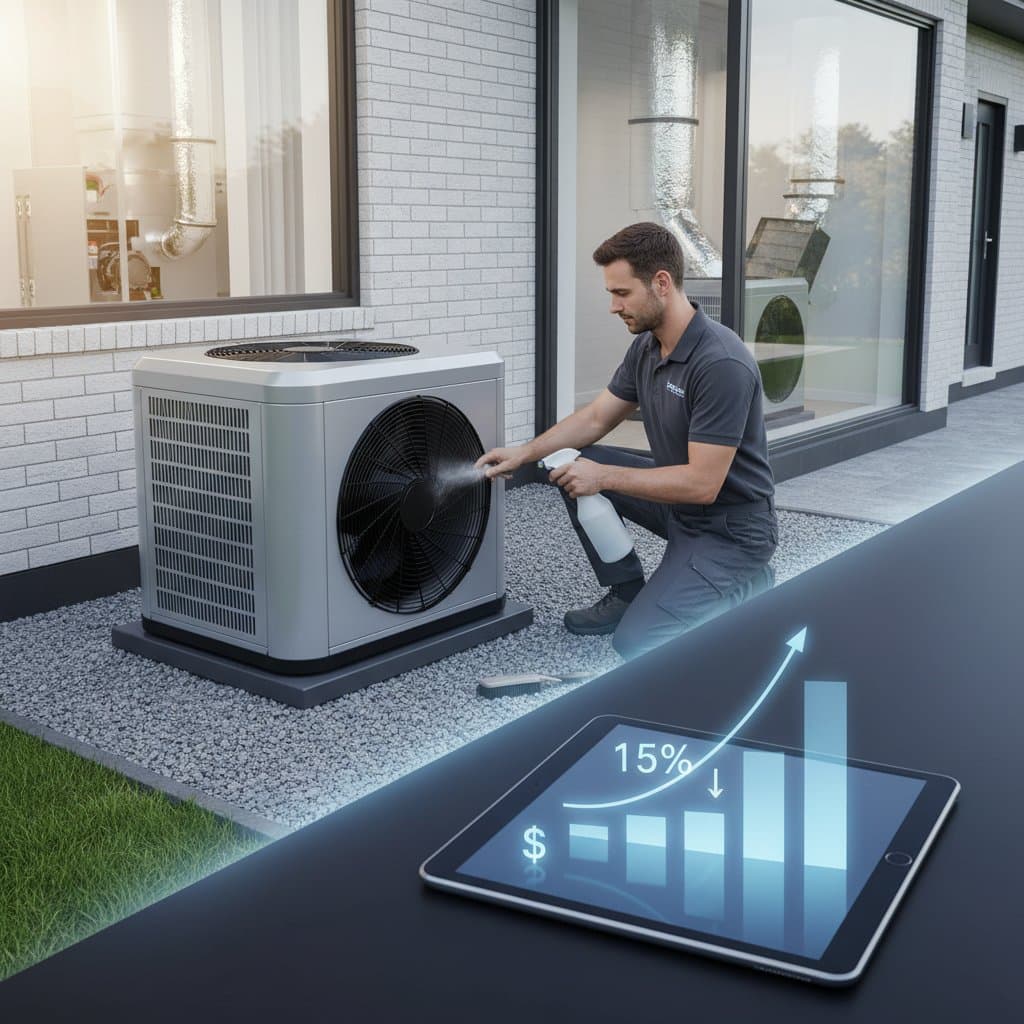
Step 2: Clean the Outdoor Condenser Coils
The outdoor condenser unit expels heat absorbed from indoors, but dirt, leaves, and debris can insulate the coils and reduce heat transfer. This forces the compressor to operate longer cycles, increasing energy use and potential overheating. Neglected coils contribute to higher operating temperatures and premature component wear.
Clear vegetation and debris from around the unit to maintain at least two feet of clearance on all sides. Gently rinse the coils with a garden hose using low-pressure water to dislodge surface grime; avoid high-pressure washers that may bend delicate fins. For stubborn buildup, a coil cleaner solution applied per manufacturer instructions can restore optimal performance.
This step enhances overall system efficiency, often yielding 10 percent savings in cooling energy by allowing the unit to dissipate heat more effectively.
Step 3: Inspect the Indoor Evaporator Coil and Condensate Drain
Located within the indoor unit, the evaporator coil extracts heat and humidity from room air. Dust accumulation on these coils impairs heat absorption, leading to reduced cooling capacity and higher energy demands. Blocked drains exacerbate issues by causing moisture backups that foster mold growth and water damage.
Access the coil safely if possible and use a soft brush to remove visible dust; professional service is advisable for thorough cleaning of heavy deposits. To maintain the drain line, introduce a cup of white vinegar into the access point monthly to dissolve algae and sediment. Monitor for indicators like water pooling in the drain pan or persistent musty odors, which signal the need for immediate professional intervention.
Proper evaporator care prevents efficiency losses of up to 20 percent and safeguards against costly indoor repairs.
Step 4: Examine Ductwork for Leaks and Blockages
Duct systems distribute cooled air throughout your home, but leaks or obstructions can waste up to 30 percent of energy through unintended heat gain. Poorly sealed ducts in attics or crawl spaces allow conditioned air to escape, prompting the AC to cycle more frequently. Insulation gaps compound these losses, especially in extreme climates.
Conduct a visual inspection of accessible ducts for visible gaps, tears, or disconnected joints. Seal minor leaks with mastic sealant or foil tape designed for HVAC applications; avoid cloth-backed tapes that degrade over time. Ensure registers and vents remain unobstructed by furniture or rugs to promote even airflow.
Addressing duct issues can recover lost efficiency, contributing to the overall 15 percent energy bill reduction targeted by comprehensive maintenance.
Step 5: Calibrate and Test the Thermostat
The thermostat regulates cooling cycles by sensing indoor temperatures, yet inaccuracies lead to overcooling or insufficient runtime. An outdated or malfunctioning unit may cause uneven comfort and unnecessary energy expenditure. Modern alternatives offer precision and automation for optimized performance.
Lower the setpoint by a few degrees and observe system response; delayed activation suggests battery issues or calibration needs. Replace batteries in battery-powered models and verify settings align with your comfort preferences. Consider installing a programmable or smart thermostat that adjusts based on schedules and occupancy, potentially saving 10 percent on cooling costs annually.
Users report that such upgrades simplify temperature management and deliver consistent savings without daily intervention.
Step 6: Inspect Electrical Components and Fan Operation
Electrical connections and fans are vital for safe, efficient AC operation. Loose wiring poses fire hazards and intermittent performance, while dirty fan blades reduce airflow and strain motors. These often-overlooked elements can cause sudden failures if not checked regularly.
Turn off power to the unit before inspecting visible wiring for frays or corrosion; tighten connections if secure handling is possible. Clean fan blades with a damp cloth to remove dust buildup, ensuring smooth rotation. Listen for unusual vibrations or grinding sounds during operation, which indicate imbalance or bearing wear requiring professional attention.
Routine electrical checks prevent breakdowns and maintain steady efficiency, supporting long-term energy conservation.
Step 7: Arrange a Professional Tune-Up
DIY efforts provide a strong foundation, but certified technicians uncover subtle issues that affect performance. They assess refrigerant levels, test components under load, and calibrate the entire system for peak operation. This service identifies wear on parts like capacitors or belts before failures occur.
A typical tune-up includes verifying refrigerant charge, lubricating motors, securing electrical terminals, measuring motor amperage, testing safety switches, cleaning coils and drains, and evaluating thermostat accuracy. Costs range from 75 to 200 dollars, varying by system complexity and location. The return on this investment includes enhanced reliability, fewer emergencies, and sustained energy savings.
Professional maintenance ensures your AC operates at designed efficiency, often recouping costs through reduced bills and averted repairs.
Maintain Efficiency Through the Season
Sustain your AC's performance by monitoring usage patterns and addressing minor issues promptly. Vacuum vents monthly and keep the outdoor unit free of debris to preserve airflow. Perform a mid-season filter inspection if the system operates continuously, adjusting as needed for heavy demand.
Strange noises, diminished airflow, or odd smells warrant immediate evaluation to avert compressor strain or refrigerant leaks. Consistent vigilance extends equipment life and locks in those 15 percent energy savings year after year.
Realize Lasting Savings and Comfort
Investing time in AC maintenance yields immediate and enduring benefits, from lower utility statements to a more comfortable home environment. Efficient operation minimizes environmental impact while maximizing value from your cooling investment. Embrace these practices to enjoy worry-free summers with optimal cooling and financial rewards.