Reading and understanding the details of a home warranty contract before signing prevents unexpected claim denials later on. Home warranties provide coverage for repairs to essential home systems and appliances, but they exclude mold remediation in most cases. This article clarifies what these warranties include, how they address moisture issues indirectly, and practical steps for homeowners to manage mold risks effectively.
Scenarios Where Home Warranties Assist With Mold-Related Problems
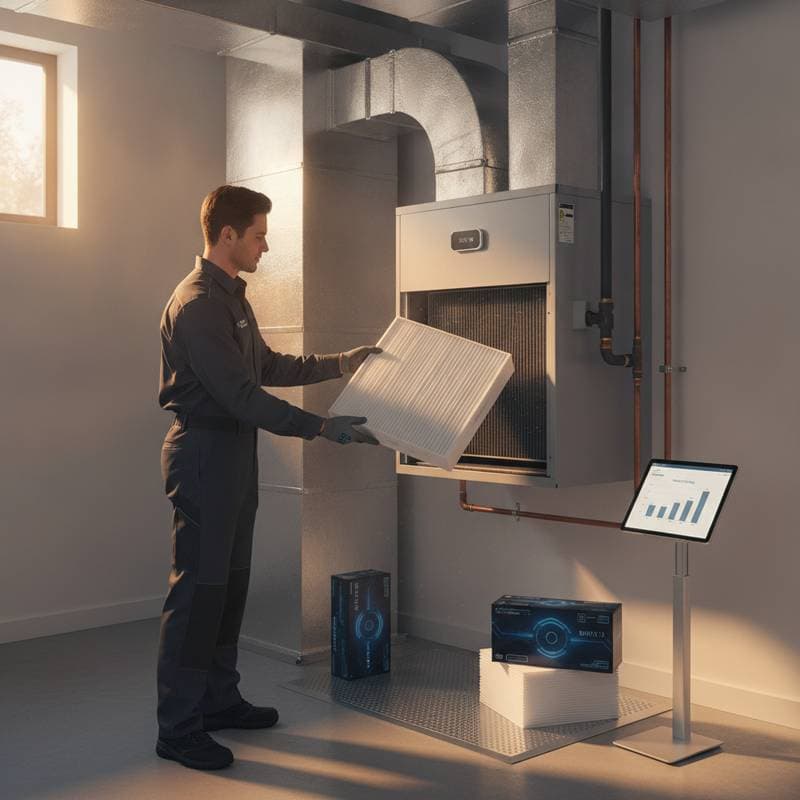
Standard home warranties exclude direct mold remediation, yet they can help indirectly by repairing the systems that cause moisture buildup. For instance, if a covered plumbing failure leads to a leak, the warranty covers the pipe repair or replacement. Similarly, an HVAC system malfunction causing excess condensation falls under warranty protection, as does a roof leak add-on that addresses water entry points.
After the warranty provider fixes the moisture source, homeowners must handle mold cleanup separately. Prompt repairs limit further growth, which reduces overall expenses. This approach focuses on prevention rather than cure.
Exploring Optional Add-Ons for Enhanced Coverage
Certain home warranty providers offer add-ons or premium plans that extend to limited mold benefits or leak-induced damage. These options might reimburse a portion of cleaning or material replacement costs, subject to caps. Coverage specifics differ by company, so thorough review proves essential.
Before selecting an add-on, pose these key questions to the provider:
- Does the plan cover mold inspection or testing services?
- What serves as the maximum reimbursement for remediation efforts?
- Does it address both visible and concealed mold?
- What prerequisites apply for claim eligibility?
Such inquiries clarify expectations and streamline the claims process.
Distinguishing Home Warranties From Homeowners Insurance on Mold
Homeowners often mix up warranties and insurance, yet each treats mold differently. Insurance typically covers remediation from abrupt incidents, such as a sudden pipe burst or appliance malfunction. It excludes gradual issues like chronic leaks or poor maintenance.
Home warranties target the repair of faulty systems causing the problem, not the resulting damage. For comprehensive mold protection, combine both: use the warranty for system fixes and insurance for cleanup. This dual strategy safeguards against varied moisture threats.
Estimating Costs for Mold Remediation
Remediation expenses depend on infestation size, mold variety, and impacted surfaces. Small patches under ten square feet allow surface cleaning with commercial products for under a few hundred dollars. Extensive cases demand professional intervention, ranging from several thousand to tens of thousands of dollars.
Professionals perform containment, air scrubbing, material removal, thorough cleaning, and moisture mitigation. If drywall, insulation, or flooring requires replacement, costs escalate. Obtain quotes from multiple certified firms to compare options and ensure quality work.
Deciding Between DIY Cleanup and Professional Services
For minor spots on bathroom seals or window frames, homeowners can manage removal independently. Use detergent solutions or specialized cleaners, while wearing protective gear like gloves, goggles, and masks. Ventilate the space thoroughly and dry it fully to halt regrowth.
Opt for experts when dealing with widespread mold, significant water damage, or HVAC contamination. Specialists deploy advanced tools for spore containment and eradication. They also resolve root moisture causes, minimizing future occurrences.
Strategies to Prevent Mold Development
Prevention outweighs remediation, especially with limited warranty support. Regular upkeep curbs mold risks through these practices:
- Examine plumbing lines under sinks, behind washers, and near toilets for drips.
- Control indoor humidity under fifty percent with dehumidifiers and exhaust fans.
- Clean gutters and extend downspouts to divert water from the home's base.
- Schedule HVAC maintenance to clear drains and optimize air circulation.
- Address spills or leaks swiftly, as mold emerges within one to two days.
Consistent moisture management keeps homes mold-free and preserves value.
Selecting Warranties With Robust Water Protection
In damp regions or aging properties, prioritize plans with comprehensive water coverage. Seek inclusions for pipe clogs, roof repairs, sump pump failures, and water heater issues. Inquire about any reimbursements for damages from covered leaks to offset expenses.
Evaluate providers by scanning reviews on platforms like Reddit, Quora, or the Better Business Bureau. User accounts highlight claim handling in moisture scenarios, guiding informed choices.
Steps to File a Claim for Moisture-Caused Mold
When mold stems from a warrantied system failure, respond promptly with these actions:
- Capture photos and videos of the damage and leak origin.
- Notify the provider right away and schedule a technician visit.
- Secure a detailed inspection report pinpointing the moisture source.
- Retain all receipts for interim fixes or drying measures.
- Oversee repairs to confirm complete resolution of water entry.
Though mold removal remains your responsibility, swift source correction curbs escalation.
Building Long-Term Mold Resistance
Post-resolution, emphasize ongoing vigilance. Inspect pipes and HVAC quarterly, refresh seals around fixtures, and use meters to track damp areas. In humid zones, a whole-home dehumidifier proves invaluable.
Vigilant owners in controlled environments sidestep major mold challenges. Pair proactive care with a solid warranty, and you secure both system reliability and home integrity.