Essential Steps for AC Maintenance to Avoid Summer Disruptions
Summer heat places significant demands on home air conditioning systems. Regular tune-ups ensure these units operate efficiently, minimize repair expenses, and prolong overall durability. Property owners who perform pre-season checks often sidestep urgent service needs during intense warm periods. This guide details key inspections, cleaning tasks, and tests to maintain a dependable cooling setup throughout the season.
Step 1: Clean or Replace Air Filters
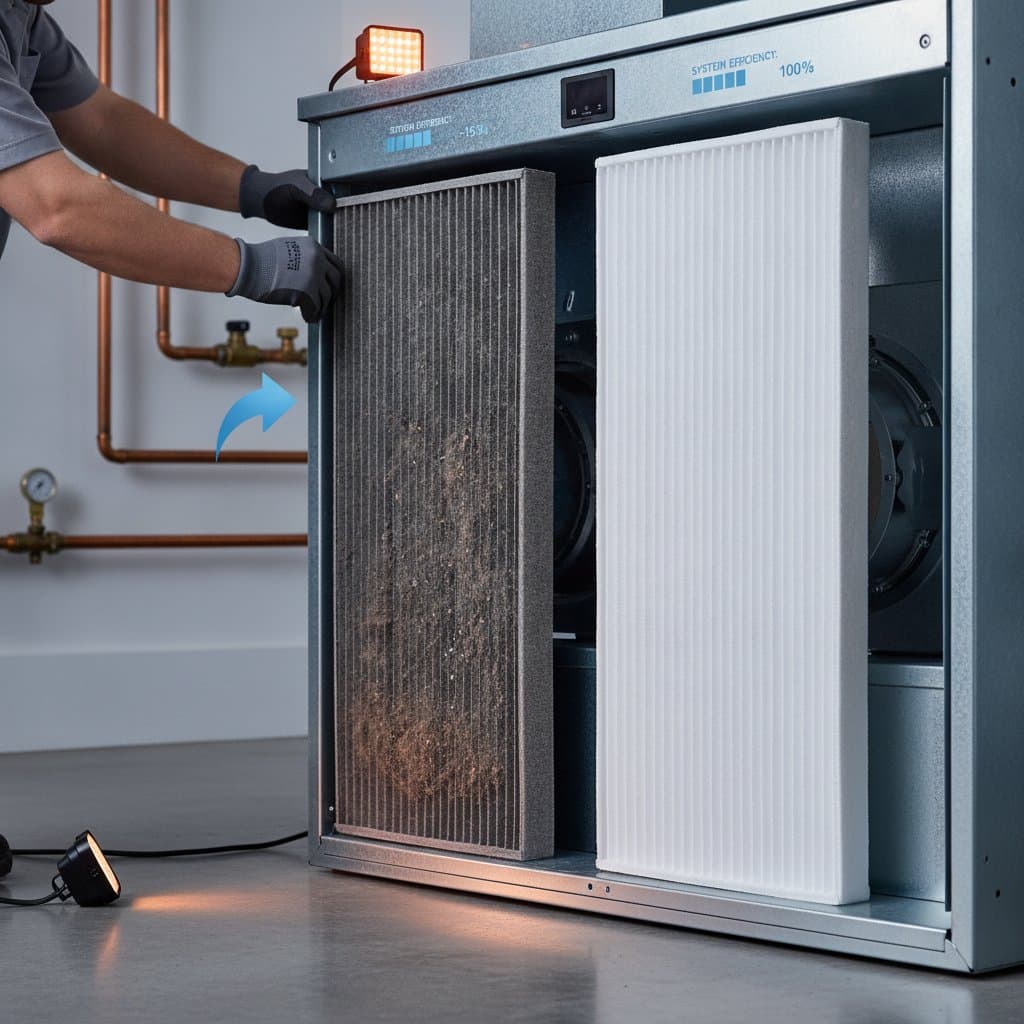
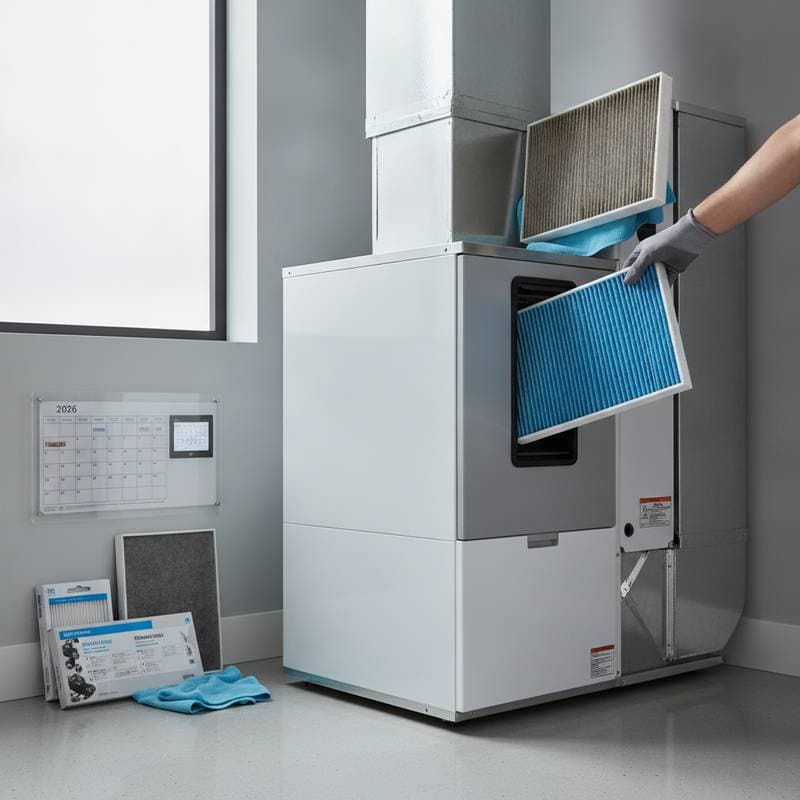
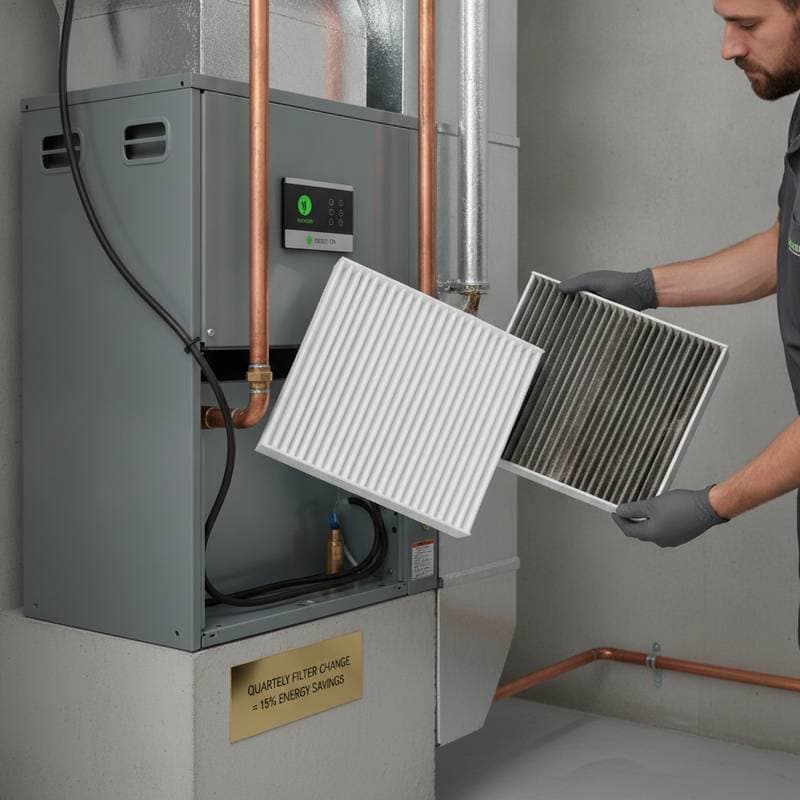
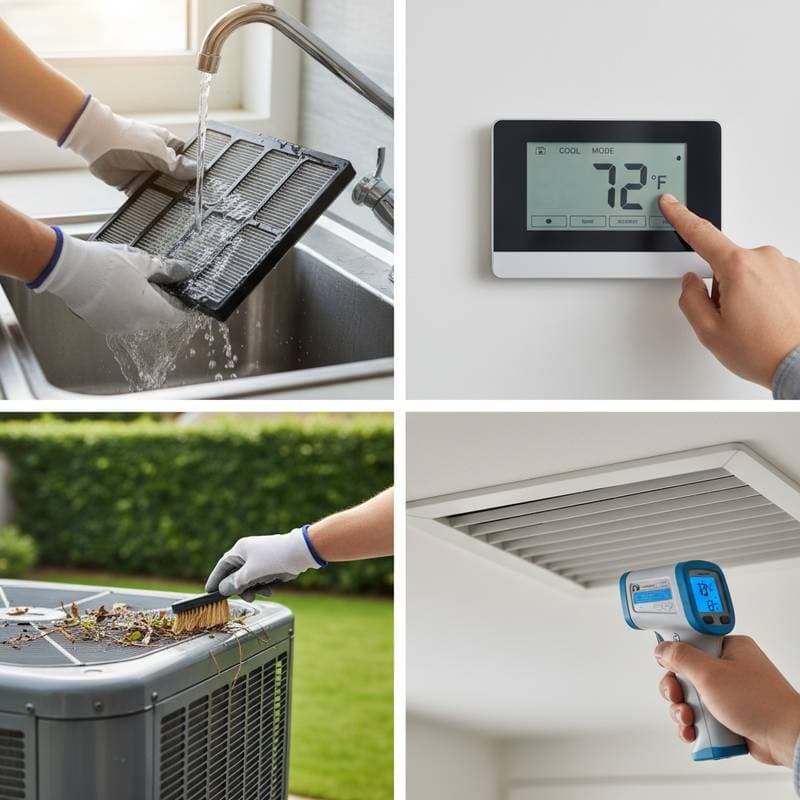
Air filters represent the primary focus in air conditioner upkeep. Clogged filters impede airflow, which compels the system to strain and consume excess energy. Locate the filter in the return air vent, remove it, and evaluate its state. Replace the filter if dust accumulation appears heavy or the material shows a gray tint. Residences with pets or individuals prone to allergies require replacements every month, whereas standard households manage with changes every two to three months. Fresh filters enhance indoor air quality and support optimal cooling performance.
To perform this task effectively, select filters with a MERV rating of 8 to 13 for balanced filtration without excessive resistance. Installation involves sliding the new filter into place with the airflow arrow pointing toward the blower. This simple action can lower energy use by 5 to 15 percent and reduce dust buildup on internal components.
Step 2: Inspect and Clean the Outdoor Condenser Unit
The outdoor condenser unit accumulates leaves, grass, and other debris on its coil fins, which hinders heat dissipation. Maintain a clearance of at least two feet around the unit to allow proper ventilation. Employ a soft-bristled brush or shop vacuum to gently dislodge dirt from the fins. Straighten any bent fins using a fin comb tool to restore full airflow capacity.
For deeper cleaning, direct a low-pressure hose at the coils to rinse away residue, starting from the top and working downward. Professional service proves necessary if the coils exhibit oil residue or thick grime layers, as specialized solvents ensure thorough removal without damage. This maintenance boosts system efficiency by up to 15 percent and prevents overheating during high-demand periods.
Step 3: Verify Thermostat Accuracy and Programming
Proper thermostat function guarantees precise temperature control. If the indoor environment feels warmer than the displayed setting, place a standalone thermometer nearby for comparison. Adjust the thermostat calibration as needed, following the manufacturer's guidelines for your model.
Review programmable thermostats to confirm schedules align with daily routines, such as setting higher temperatures during work hours. Devices from reputable brands learn habits over time and optimize cycles to cut cooling expenses. Accurate settings prevent short cycling, which wears components prematurely and maintains consistent comfort.
Step 4: Assess Ductwork and Vent Conditions
Inefficient duct systems leak up to 30 percent of conditioned air, leading to uneven cooling and higher bills. Inspect all room vents to ensure they remain fully open and free from obstructions like furniture or rugs. In visible attic or basement areas, search for gaps, disconnected joints, or insulation damage along the ducts.
Apply mastic sealant or foil tape to seal small leaks, pressing firmly for an airtight bond. Larger issues or complex layouts demand a professional evaluation with tools like duct blasters to detect and repair hidden inefficiencies. Improved duct integrity distributes cool air effectively and enhances overall system performance.
Step 5: Conduct a Pre-Season System Test
Activate the air conditioner for at least 15 minutes to observe its operation under load. Monitor for even cooling across rooms and listen for abnormal sounds, such as grinding, banging, or refrigerant hisses. Verify that air from supply vents reaches temperatures 14 to 20 degrees Fahrenheit cooler than return air.
Weak airflow or warm output signals potential blockages; shut off the unit immediately and recheck the outdoor coils and filters. Persistent problems indicate issues like low refrigerant or fan motor faults, which require certified technician intervention to avoid compressor damage. This test confirms readiness and identifies minor fixes before major heat waves arrive.
Step 6: Arrange Annual Professional Inspection
DIY efforts provide a strong foundation, yet licensed technicians uncover subtle problems during comprehensive reviews. They measure refrigerant charge, tighten electrical connections, and test system pressures for optimal balance. Technicians also evaluate capacitor health and lubricate moving parts to reduce friction.
A full diagnostic includes airflow measurements and electrical load assessments to pinpoint inefficiencies. Property owners who commit to yearly tune-ups experience fewer interruptions, decreased utility costs, and extended equipment life. Schedule this service in early spring for priority during busy seasons.
Strategies for Year-Round AC Reliability
Proactive maintenance shifts focus from crisis response to sustained performance. Dedicate time each spring to these steps, documenting changes for future reference. Efficient operation translates to cooler interiors, reduced consumption, and peace of mind amid rising temperatures.