2025 AC Maintenance Checklist: Ensure Reliable Cooling All Season
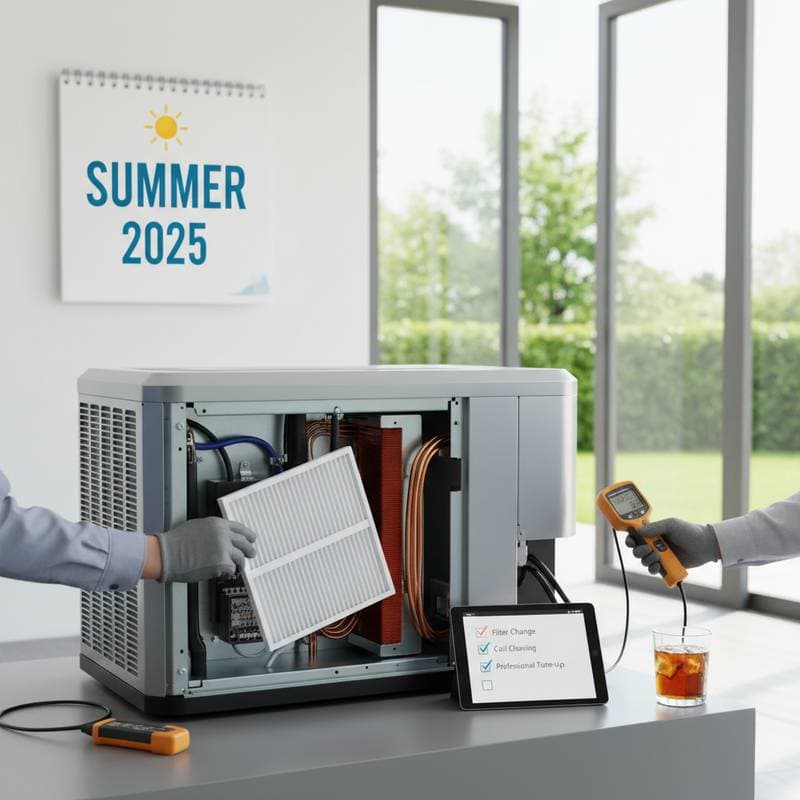
Summer heat transforms air conditioning from a luxury into an essential service for home comfort. Homeowners often delay system checks until discomfort arises, leading to unexpected failures during peak demand. A structured maintenance plan addresses this issue by promoting consistent performance, optimizing energy use, and minimizing repair needs. This guide provides a step-by-step checklist to equip homeowners with practical strategies for preparing their AC units effectively.
Overview of Costs, Time, and Difficulty
Professional AC servicing typically ranges from 100 to 250 dollars, influenced by system complexity, property size, and regional rates. Homeowners can handle initial tasks to lower expenses, though these require careful execution for safety. Basic inspections and cleanings usually take two to three hours. Advanced procedures, like refrigerant evaluation or electrical diagnostics, demand expertise from certified technicians.
Difficulty levels vary by task:
- Basic visual inspections: Easy for most homeowners.
- Filter changes and surface cleaning: Moderate effort with standard tools.
- Refrigerant handling or wiring repairs: Advanced; professional service required.
Step 1: Replace or Clean the Air Filter
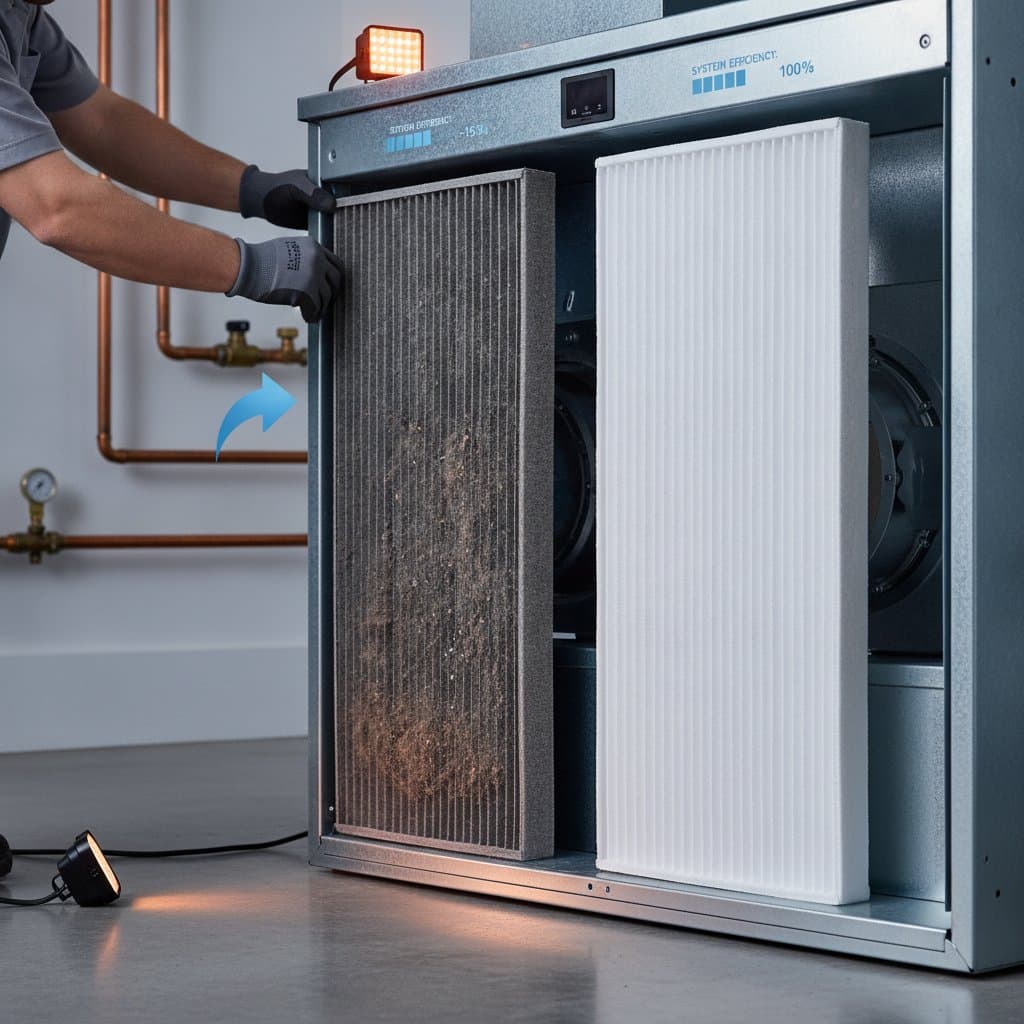
The air filter captures dust, pollen, and debris, protecting internal components from buildup. A clogged filter restricts airflow, strains the blower motor, and reduces cooling capacity. Regular replacement maintains optimal operation and indoor air quality.
Action steps:
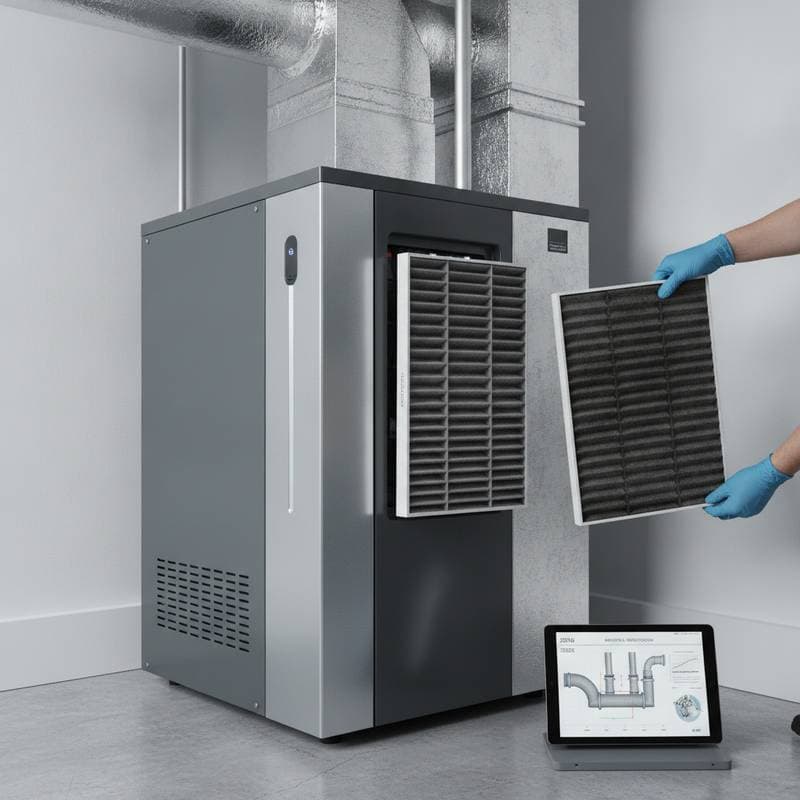
- Locate the filter in the return air duct or furnace cabinet.
- Remove the old filter and note the airflow direction arrow.
- Install a new filter with a MERV rating of 8 to 13, suitable for residential use.
- For reusable filters, vacuum clean or wash according to manufacturer guidelines.
Replace disposable filters every one to three months, depending on household activity and pet presence. This simple step can improve efficiency by up to 15 percent.
Step 2: Clean the Outdoor Condenser Unit
The condenser unit dissipates heat absorbed from indoor air. Debris accumulation hinders heat transfer, compelling the compressor to overwork and accelerating wear. Clearing obstructions restores proper function and extends component longevity.
Action steps:
- Shut off power via the nearby disconnect switch.
- Clear leaves, dirt, and vegetation from the unit's base.
- Rinse the coils gently with a hose, directing water from inside outward.
- Use a fin comb to realign any damaged fins carefully.
Maintain a two-foot clearance around the unit to facilitate unrestricted airflow. Steer clear of pressure washers to prevent fin deformation.
Step 3: Clean the Indoor Evaporator Coils
Evaporator coils inside the home absorb heat and moisture. Dirt on these coils impedes heat exchange, causing the system to cycle longer and consume more energy. Cleaning enhances cooling speed and prevents ice formation.
Action steps:
- Access the coils through the indoor unit's access panel after powering off the system.
- Brush away loose dust with a soft coil brush.
- Apply a no-rinse coil cleaner spray, allowing it to foam and dissolve residue.
- Rinse lightly if needed, ensuring water drains properly.
Homeowners with accessible units can perform this annually; otherwise, hire a technician to avoid damaging delicate parts.
Step 4: Inspect Ductwork and Vents
Duct leaks and blockages allow conditioned air to escape, forcing the AC to operate inefficiently. Uneven room temperatures often signal underlying issues in the distribution system. Addressing these improves overall performance and comfort distribution.
Action steps:
- Examine visible ducts in attics, basements, or crawl spaces for gaps or damage.
- Apply foil tape or mastic sealant to seal minor leaks securely.
- Vacuum dust from registers and vents using a brush attachment.
- Verify that household items do not obstruct vent openings.
Industry estimates indicate that duct repairs can boost cooling efficiency by 20 percent, yielding substantial energy savings.
Step 5: Calibrate the Thermostat
An inaccurate thermostat leads to improper cycling, either overcooling or failing to maintain set temperatures. Proper calibration ensures precise control and prevents unnecessary runtime. Digital models often include self-calibration features for ease.
Action steps:
- Compare the thermostat reading with a separate thermometer in the same location.
- Adjust settings if the device allows, or replace batteries in battery-powered units.
- For programmable thermostats, set schedules to align with occupancy patterns.
- Consider upgrading to a smart thermostat for remote monitoring and efficiency gains.
Annual checks keep the thermostat reliable, reducing wear on the AC compressor.
Step 6: Examine Electrical Components and Connections
Faulty wiring or corroded contacts disrupt power flow, risking system startup failures or hazards. Visual assessments identify early problems, while professional testing confirms safety. Routine attention averts expensive electrical repairs.
Action steps:
- Power down the unit and inspect wires for fraying or discoloration.
- Check for heat damage indicators like charred insulation.
- Engage a qualified technician for comprehensive voltage and amperage tests.
Experts advise yearly electrical reviews to safeguard against sudden breakdowns.
Step 7: Lubricate Moving Parts
Fan motors and blower assemblies rely on smooth operation to function efficiently. Dry bearings increase friction, leading to noise, higher energy draw, and premature failure. Lubrication reduces these risks effectively.
Action steps:
- Consult the unit manual to identify lubrication ports on motors.
- Apply manufacturer-recommended oil sparingly to avoid excess buildup.
- Wipe away any overflow and run the system briefly to distribute lubricant.
- Schedule professional lubrication if ports are inaccessible.
Perform this maintenance biannually for older systems to sustain quiet, efficient performance.
Step 8: Test Airflow and Cooling Output
Verification of airflow and temperature differential confirms the system's health post-maintenance. Weak flow or inadequate cooling signals unresolved issues requiring attention. This evaluation ensures balanced comfort throughout the home.
Action steps:
- Activate the AC and lower the thermostat setting below ambient temperature.
- Assess vent airflow manually or with a meter for consistency.
- Record the supply air temperature versus return air; aim for a 15- to 20-degree drop.
- Note any abnormal sounds indicating mechanical concerns.
Deviations from norms warrant a technician's diagnostic review.
Step 9: Clear the Condensate Drain Line
The drain line removes moisture collected during cooling. Blockages cause water backups, potentially damaging the unit or fostering mold growth. Clearing prevents overflows and maintains hygienic operation.
Action steps:
- Locate the drain line exiting the indoor unit.
- Flush the line with a vinegar-water solution using a wet-dry vacuum.
- Inspect the drain pan for standing water and clean as necessary.
- Install a condensate overflow switch for added protection.
Check this line monthly during cooling season to avoid disruptions.
Step 10: Enhance Overall Home Efficiency
Supporting the AC with home improvements retains cooled air and eases system workload. Targeted upgrades amplify maintenance benefits, promoting sustained savings and comfort.
Recommended enhancements:
- Install weatherstripping on doors and windows to block drafts.
- Apply solar-reflective films or shades to windows for heat reduction.
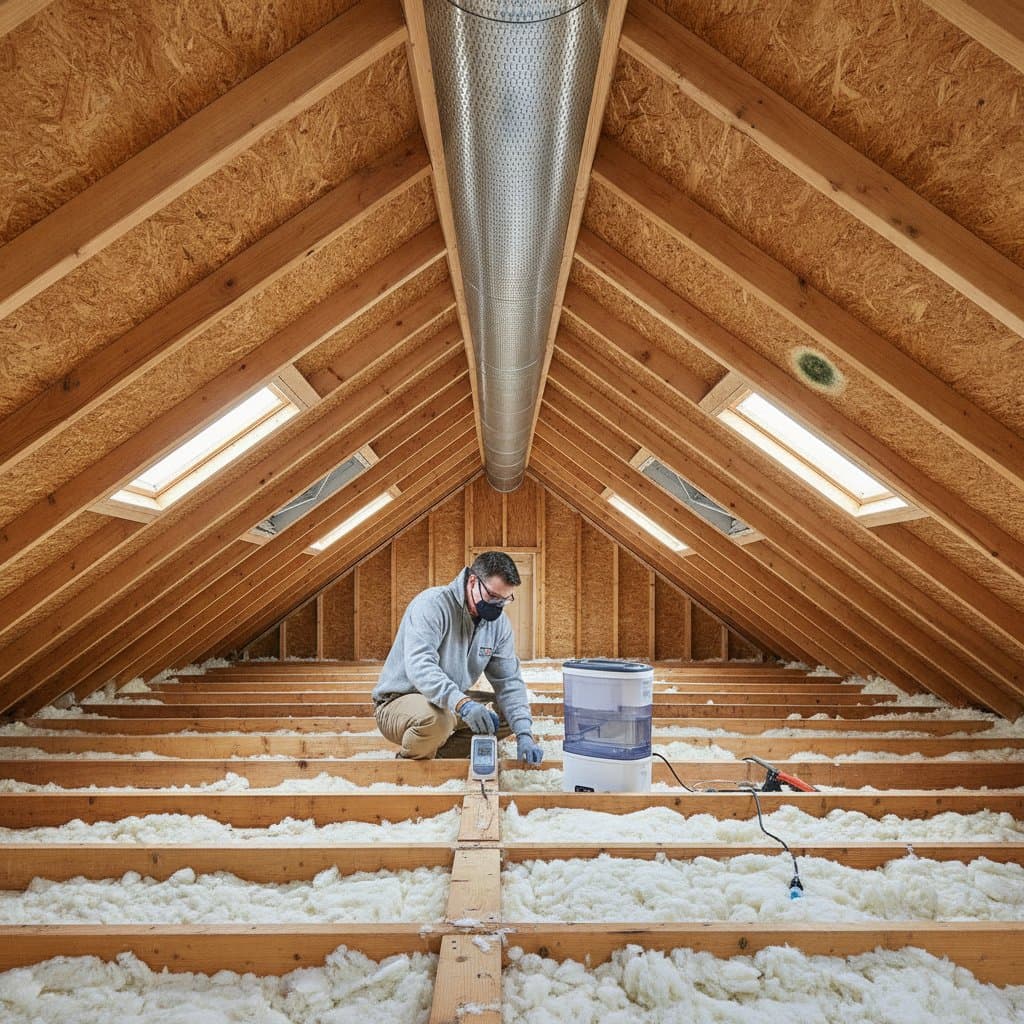
- Upgrade attic insulation to minimize heat infiltration.
- Employ ceiling fans to improve air circulation and permit higher thermostat settings.
Research from energy efficiency programs shows that integrated approaches can decrease cooling expenses by 30 percent.
Indicators for Professional Intervention
Some issues exceed homeowner capabilities and demand expert resolution. Seek HVAC assistance promptly for these symptoms:
- Persistent warm air output with clean filters and correct settings.
- Short cycling or abrupt system halts.
- Unexplained increases in utility bills.
- Visible water accumulation near the indoor coil.
- Unusual grinding or banging sounds.
Technicians excel at identifying compressor faults, refrigerant deficiencies, or wiring anomalies with precision.
Preserving System Durability
Adhering to this maintenance routine safeguards comfort while controlling long-term expenses. A well-maintained AC operates with minimal noise, delivers uniform cooling, and endures beyond typical expectations. Homeowners benefit from fewer urgent repairs and prolonged equipment service, ensuring dependable performance through multiple seasons.