Essential Steps to Prepare Your AC for Summer
As temperatures climb, the air conditioner emerges as the most vital system in the home. Proper maintenance ensures cool, clean indoor air while averting costly emergency repairs. Homeowners often encounter avoidable breakdowns each summer due to overlooked routines. This guide outlines preparation steps to implement before peak heat, minimizing discomfort and expenses.
Benefits of Regular AC Maintenance
Air conditioners operate for hundreds of hours per season. Accumulation of dirt, worn parts, and insufficient refrigerant gradually diminish efficiency. Failure to maintain the system increases energy consumption by up to 30 percent, shortens lifespan, and elevates repair needs. Most summer service calls stem from neglected spring preparations.
Regular upkeep preserves warranty terms, as many manufacturers mandate annual inspections. These practices apply to central systems, mini-splits, and heat pumps alike: thorough cleaning, optimal airflow, and correct refrigerant balance promote reliable operation.
Step 1: Verify Power and Prioritize Safety
Disconnect power at the outdoor unit switch or main breaker before any work. This measure eliminates electrical hazards and safeguards the equipment. Locate the disconnect box, typically a gray panel near the outdoor condenser, if unfamiliar with its position.
Don protective gloves and safety glasses during cleaning or panel removal. Refrain from contacting exposed wires or terminals. Adhering to electrical safety protocols remains essential for all inspections.
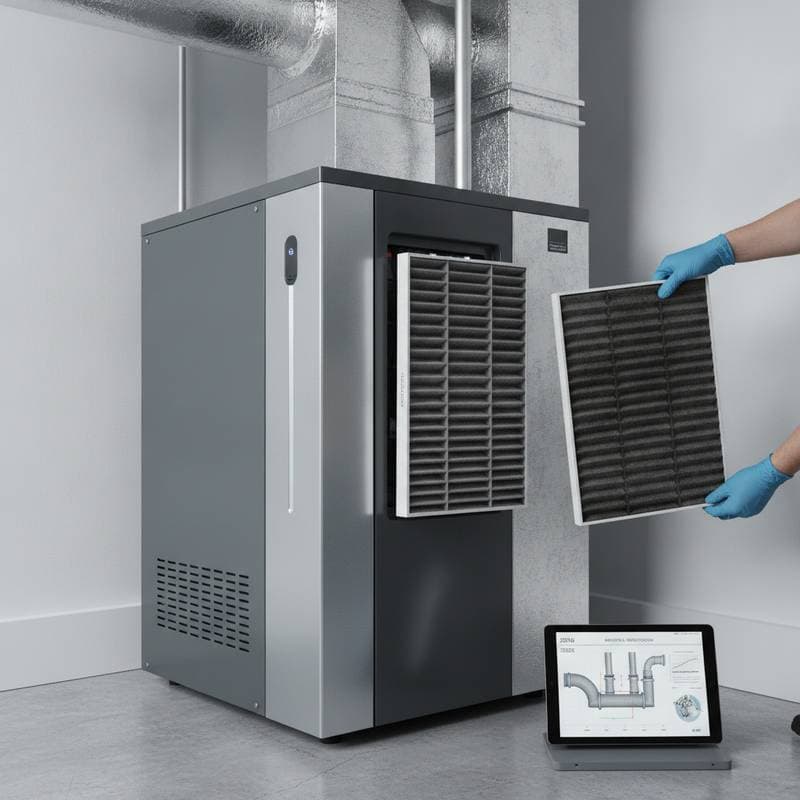
Step 2: Refresh the Air Filter
Restricted airflow from a dirty filter ranks as the leading issue in AC performance. Exchange disposable filters or wash reusable versions every one to three months, adjusting frequency for pets, smoking, or dusty environments.
Select the precise filter dimensions, noted on the existing frame. An ill-fitting filter permits dust infiltration or creates gaps that undermine filtration. Opt for a pleated model, priced from ten to thirty dollars, to minimize blower motor stress through steady airflow.
Step 3: Clean the Outdoor Condenser Coils
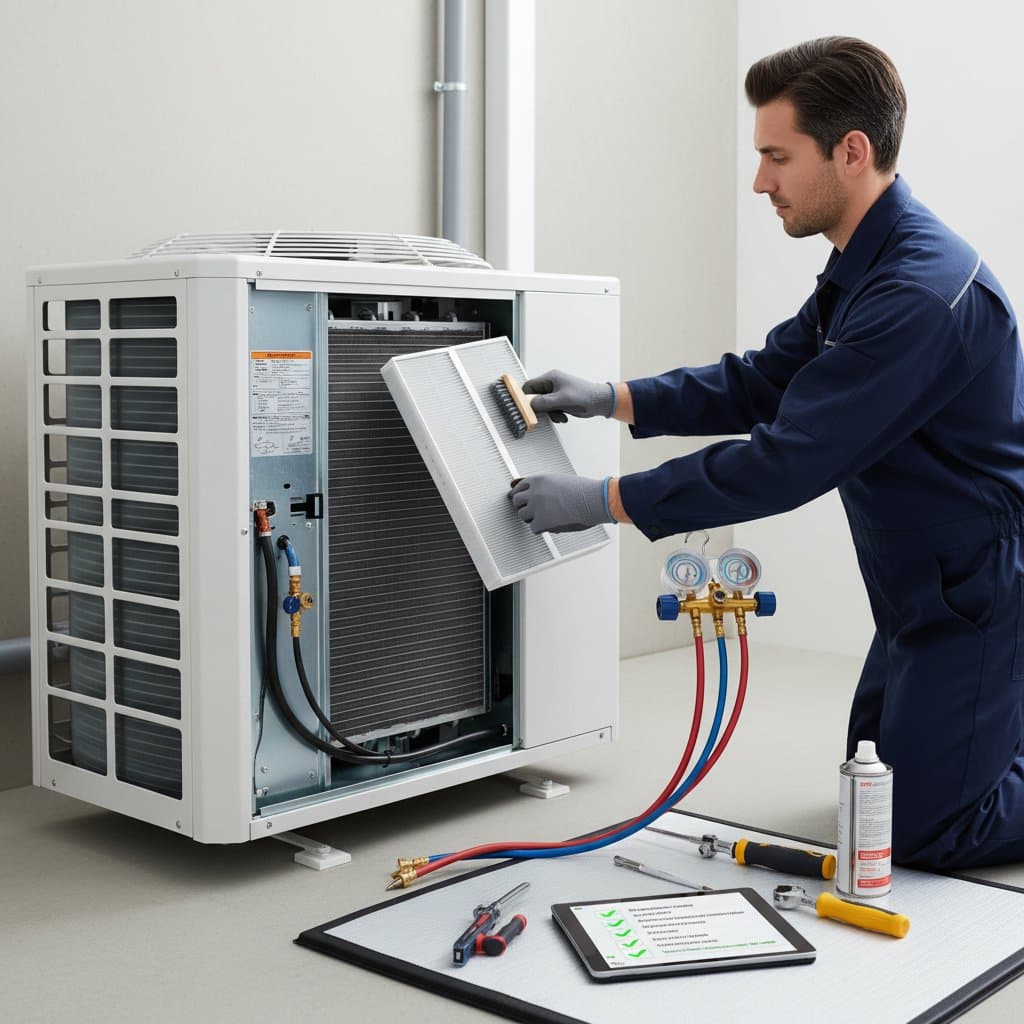
The condenser expels heat from the home interior. Debris such as grass, leaves, and soil accumulates on the coils, impairing heat dissipation. Follow these procedures for effective cleaning:
- Deactivate power to the unit.
- Clear surrounding vegetation to maintain two feet of open space.
- Rinse coils outward with a hose at low pressure.
- Apply commercial coil cleaner for persistent residue, obtainable from hardware suppliers.
High-pressure water risks damaging the fins. Employ a fin comb to realign any distortions, restoring airflow. Well-maintained coils enhance cooling output and ease compressor workload.
Step 4: Service the Indoor Evaporator Coil and Drain
The evaporator coil captures indoor heat. Dust or mold accumulation hinders heat absorption and may cause freezing. Remove the access panel on the furnace or air handler for inspection; summon a professional for substantial buildup, as improper cleaning harms the delicate fins.
The condensate drain expels gathered moisture. Flush the line with a cup of distilled vinegar or warm soapy water to dislodge algae and sediment. Blockages lead to overflows that damage structures, making this routine check vital for prevention.
Step 5: Evaluate the Thermostat Function
The thermostat regulates both comfort and efficiency. Test responsiveness by adjusting settings and observe accurate operation. Install fresh batteries if the display fades.
Upgrade from an obsolete model to a programmable or smart version for potential savings of ten to fifteen percent on cooling expenses. Position the device away from sunlight, heat sources, or drafts to guarantee precise temperature detection. Poor placement extends runtime unnecessarily, inflating energy use.
Step 6: Inspect Refrigerant Lines and Insulation
Copper tubing links indoor and outdoor components, transporting refrigerant. Examine for deterioration or absent insulation covers. Exposed lines result in heat loss and diminished cooling.
Affordable foam sleeves, costing five to fifteen dollars, provide simple replacement. Oil residue or frost signals potential leaks; engage a certified technician for resolution, as refrigerant management demands expertise and licensing.
Step 7: Assess Airflow and Seal Ducts
Inspect vents throughout the home for consistent air delivery. Diminished or irregular flow suggests obstructions, separations, or motor faults. Vacuum dust from registers after removing covers.
Address suspected leaks with foil tape or mastic for minor seals; professionals handle extensive repairs. Up to 30 percent of cooled air may escape via unsealed ducts, underscoring the value of this step for uniform comfort and bill reduction.
Step 8: Maintain the Blower and Motor
The blower circulates air via ducts. Dust on fan blades lowers output and generates noise. With power off, brush blades lightly and verify smooth motor rotation without unusual sounds.
Apply non-detergent oil sparingly if specified by the manufacturer. For belt-driven units, ensure tension holds deflection to less than half an inch; adjust or replace as needed to sustain performance.
Step 9: Arrange Professional Inspection
Homeowner efforts complement but do not replace expert evaluation. Annual technician visits, costing one hundred to two hundred dollars, verify refrigerant charge, electrical integrity, thermostat calibration, and overall capacity.
Service agreements often include expedited responses and repair discounts. Consistent professional care curtails emergency expenses and prolongs system durability, yielding returns via efficiency gains.
Costs and Time Investment
Complete the checklist in one to two hours. Associated expenses include:
- Air filter: ten to thirty dollars
- Coil cleaner: ten to twenty dollars
- Insulation: five to fifteen dollars
- Drain supplies: under ten dollars
- Technician fee: one hundred to two hundred dollars
This modest outlay averts substantial repair bills and heat-related disruptions.
Advanced Strategies for Long-Term Efficiency
Document all maintenance activities in a log, noting dates and observations to monitor trends and support warranty claims. Regularly prune foliage near the outdoor unit to facilitate unrestricted airflow.
Monitor for auditory shifts, such as hums or rattles, which indicate emerging problems. Refrain from enclosing the condenser during use, as covers promote overheating. Operate the system briefly every few weeks in off-seasons to preserve lubrication.
Securing Year-Round Comfort and Savings
Implementing these measures fortifies the air conditioner against seasonal demands. Enhanced efficiency translates to lower energy demands and sustained reliability. Homeowners gain peace of mind, knowing their investment delivers optimal performance when needed most.