The Simple Spring Swap That Boosts HVAC Efficiency
Spring brings opportunities for homeowners to clean, organize, and prepare for warmer months. One essential yet often overlooked task involves replacing the air filter in the HVAC system. This straightforward maintenance action enhances air quality, improves efficiency, and supports smooth operation throughout the season.
Homeowners frequently overlook the impact of a clean air filter on energy costs and comfort levels. The filter captures dust, pollen, and debris to protect the system. A clogged filter restricts airflow, causes the unit to labor excessively, and elevates energy consumption. Knowledge of replacement timing, methods, and filter selection helps avoid repairs and prolongs equipment durability.
The Real Cost of a Dirty HVAC Filter
Failure to replace the filter regularly results in multiple expensive complications. A clogged filter compels the blower motor to operate with greater effort. This action raises energy demands and places additional strain on components. Over time, the system risks overheating or freezing, which necessitates expert intervention.
Common problems arising from a dirty filter include the following:
- Reduced airflow: Uneven heating or cooling occurs across the home.
- Elevated energy bills: Longer run times become necessary to achieve desired temperatures.
- Component wear: Motors, fans, and compressors degrade more rapidly due to limited airflow.
- Compromised indoor air quality: Dust and allergens spread when filters fail to trap them adequately.
- Risk of system failure: Severe clogs may cause coil freezing or short cycling.
Experts in the field note that a clean filter lowers energy use by as much as 15 percent relative to a dirty counterpart. Such reductions translate to substantial savings over an entire season.
How to Replace an HVAC Filter Step-by-Step
Replacing the HVAC filter ranks among the simplest self-maintenance procedures. The entire process requires under 10 minutes and demands no specialized equipment.
Step 1: Turn Off the System
Deactivate the HVAC system via the thermostat or breaker panel. This precaution avoids drawing dust into the unit during filter removal.
Step 2: Locate the Filter Compartment
Filters typically reside behind return air grilles or within the air handler. Identify the rectangular slot featuring a removable cover or latch.
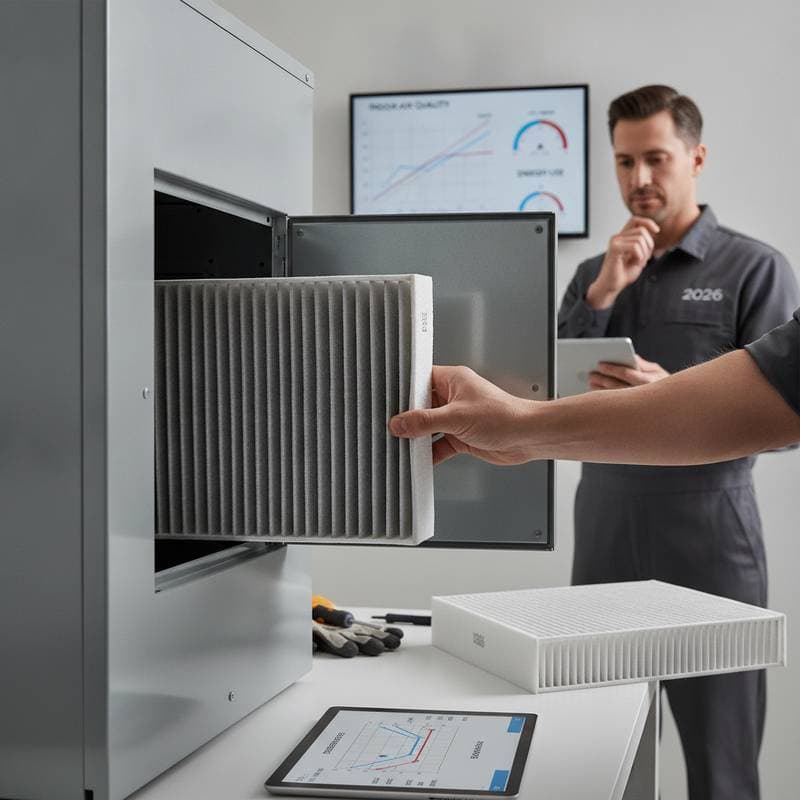
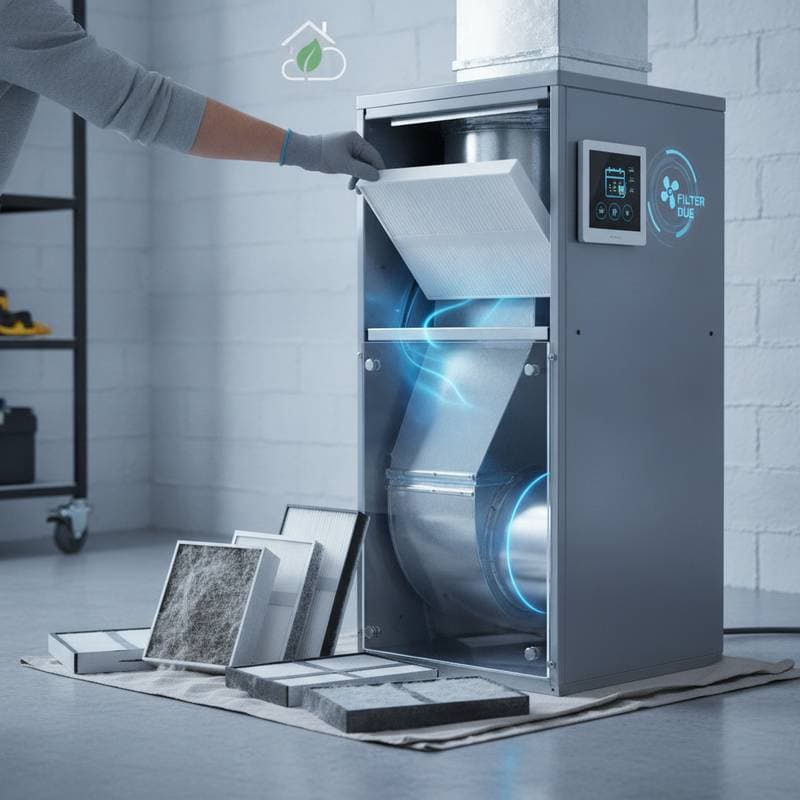
Step 3: Remove the Old Filter
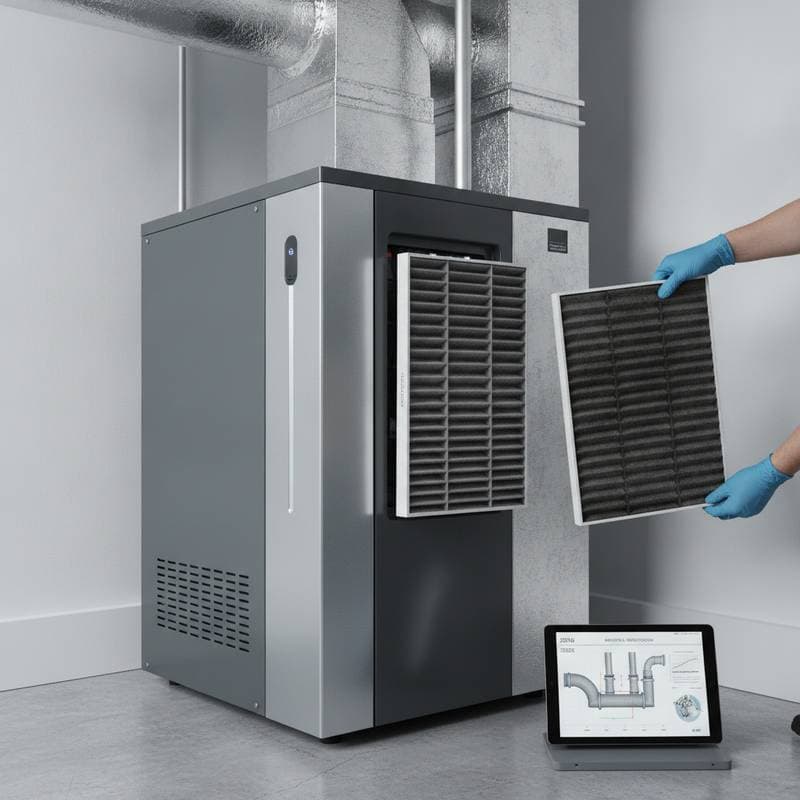
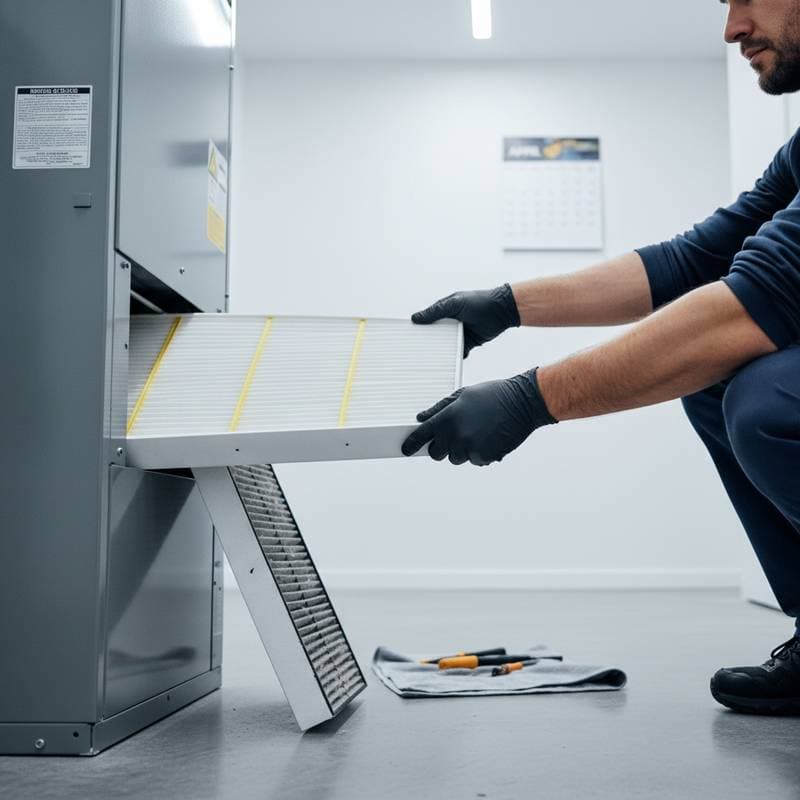
Gently slide out the existing filter to minimize dust dispersal. Examine the frame for size indicators, often inscribed on the edge, such as 16x20x1.
Step 4: Insert the New Filter
Align the new filter according to the airflow arrows on its frame. Direct the arrows toward the blower motor or into the unit interior.
Step 5: Secure the Cover and Turn the System Back On
Replace the compartment cover after installation and reactivate the system. Record the installation date and schedule a reminder for the subsequent change.
Cost Considerations and Long-Term Savings
Prices for filters differ based on dimensions, construction, and manufacturer. Standard fiberglass options start at a few dollars, whereas advanced pleated models reach forty dollars or higher. Although premium filters involve greater initial expense, they endure longer and deliver superior air filtration. These benefits potentially decrease healthcare expenses related to allergies and minimize HVAC upkeep costs.
Regarding energy efficiency, the U.S. Department of Energy indicates that filter replacement curbs consumption by up to 15 percent. For average households, seasonal savings often cover multiple filter purchases. Prolonging equipment longevity further averts thousands in future replacement or repair expenditures.
HVAC professionals commonly incorporate filter inspections into seasonal servicing. During a spring appointment, request evaluation of duct integrity, refrigerant charges, and airflow distribution. This comprehensive strategy promotes optimal performance and averts summer disruptions.
Spring HVAC Maintenance Checklist
Integrate filter replacement with a complete spring upkeep plan to prepare the system for summer demands. Such preparation sustains peak performance.
Basic Homeowner Tasks
- Replace or clean air filters.
- Remove debris from around outdoor units, maintaining at least two feet of clearance.
- Clean supply and return vents.
- Verify thermostat settings and substitute batteries as required.
- Examine accessible duct sections for leaks or impairments.
Professional Service Tasks
- Assess refrigerant levels.
- Clean condenser coils.
- Inspect electrical connections and safety mechanisms.
- Lubricate operational components.
- Evaluate system efficiency and airflow dynamics.
Adhering to this checklist annually in spring extends HVAC durability by years and forestalls expensive peak-season fixes.
Troubleshooting Common Filter Issues
Regular upkeep notwithstanding, certain filter challenges persist for some homeowners. Prompt identification of root causes maintains efficiency.
Filter Gets Dirty Too Quickly
Rapid clogging within weeks signals potential duct leaks or gaps near return grilles. Unfiltered air laden with dust enters the system through these paths. Apply foil tape for seals or engage a specialist for thorough assessment.
Filter Does Not Fit Properly
An ill-sized filter permits air leakage at the edges, reducing effectiveness. Measure the original filter precisely prior to acquisition. A precise fit maximizes filtration performance.
System Still Feels Dusty
Persistent dustiness post-replacement warrants a higher MERV-rated filter or supplementary air purifier. Thorough cleaning of vents and registers also contributes significantly.
Filter Collapses or Warps
Excessive airflow resistance typically provokes this issue. Select filters aligned with system specifications, or seek technician advice before adopting higher-efficiency variants.
Proactive Strategies for Lasting Efficiency
Vigilant HVAC care preserves resources and prevents disruptions. Schedule filter inspections on a calendar or utilize digital alerts, particularly monthly during high-use periods. Stock spare filters for immediate access.
Consistent maintenance yields fewer malfunctions and reduced operational expenses. Clean filters safeguard heat exchangers, coils, and fans against blockages. They also stabilize humidity and temperature, elevating home comfort.