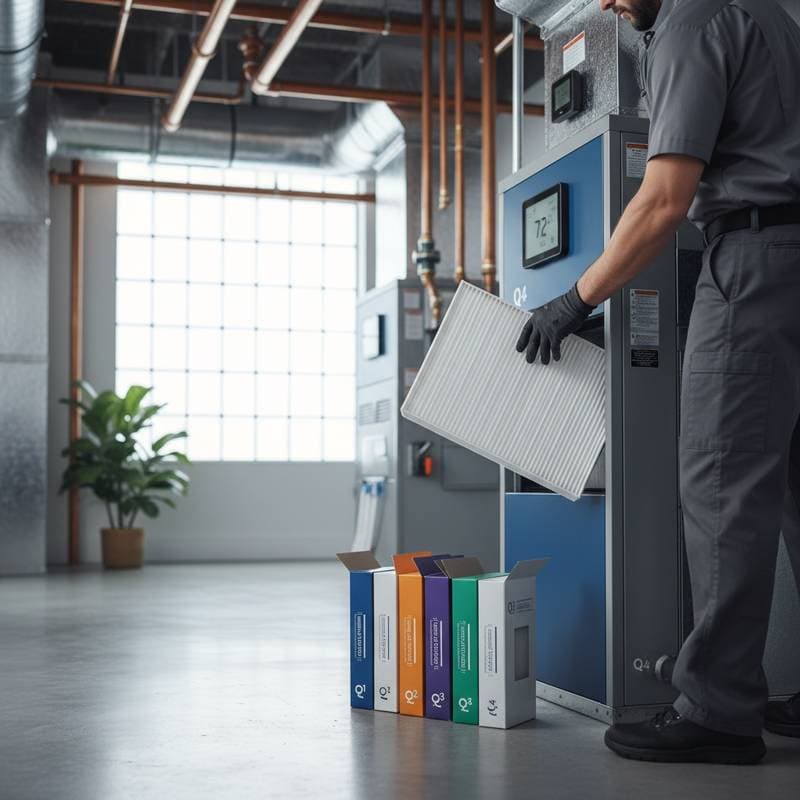
Quarterly HVAC Filter Schedule for Cleaner Air
Maintaining clean indoor air starts with a consistent routine of changing HVAC filters. These filters capture dust, pollen, pet dander, and other particles that affect health and system performance. Homeowners often overlook this task until problems arise, such as reduced airflow or rising energy costs. A quarterly schedule simplifies maintenance and supports efficient operation year-round.
This guide outlines how to implement a quarterly HVAC filter schedule. It covers factors influencing filter lifespan, selection criteria, and decisions between self-replacement and professional service. Follow these recommendations to achieve superior air quality and prolong your HVAC system's durability.
Understanding HVAC Filter Maintenance
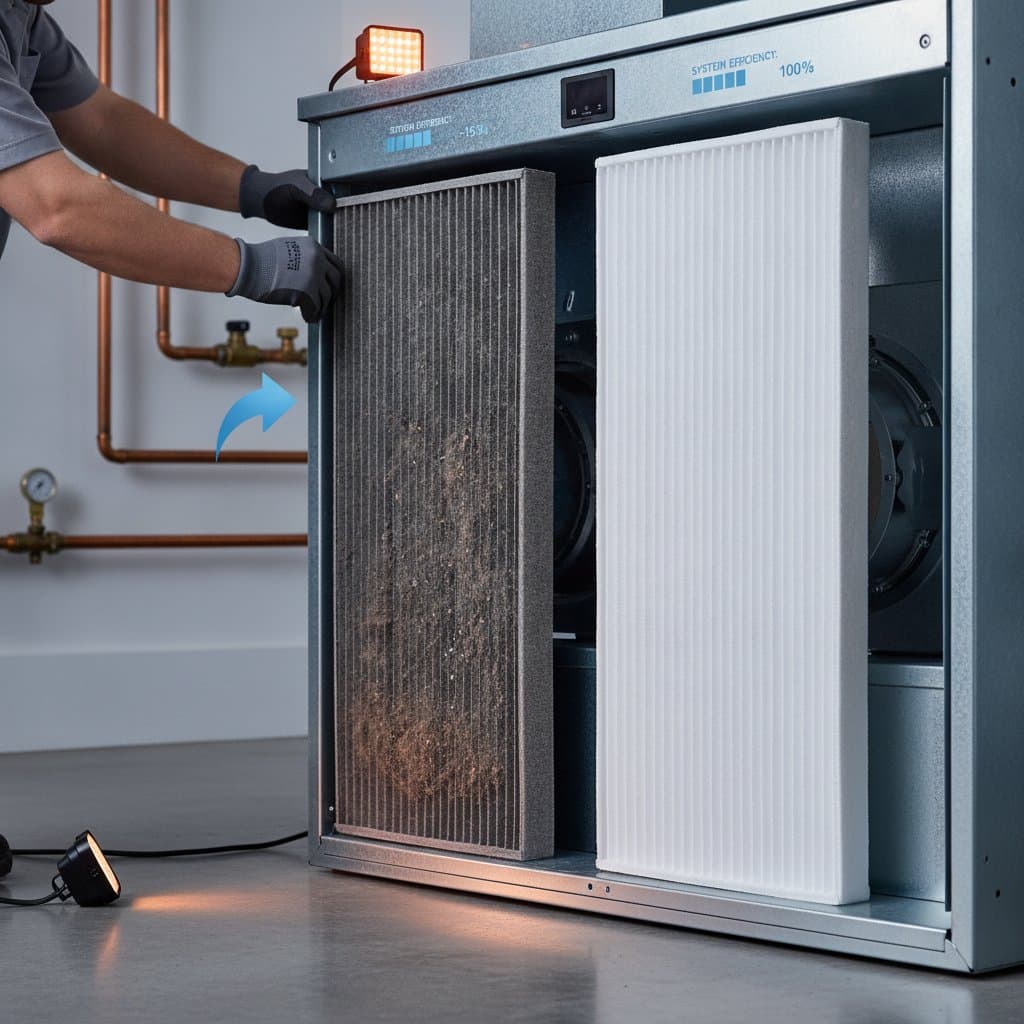
HVAC filters serve as barriers against airborne contaminants like dust, pollen, pet dander, and mold spores. As these particles accumulate, the filter becomes clogged, which limits airflow through the system. Restricted airflow forces the HVAC unit to operate under greater strain, elevating energy consumption and accelerating component wear.
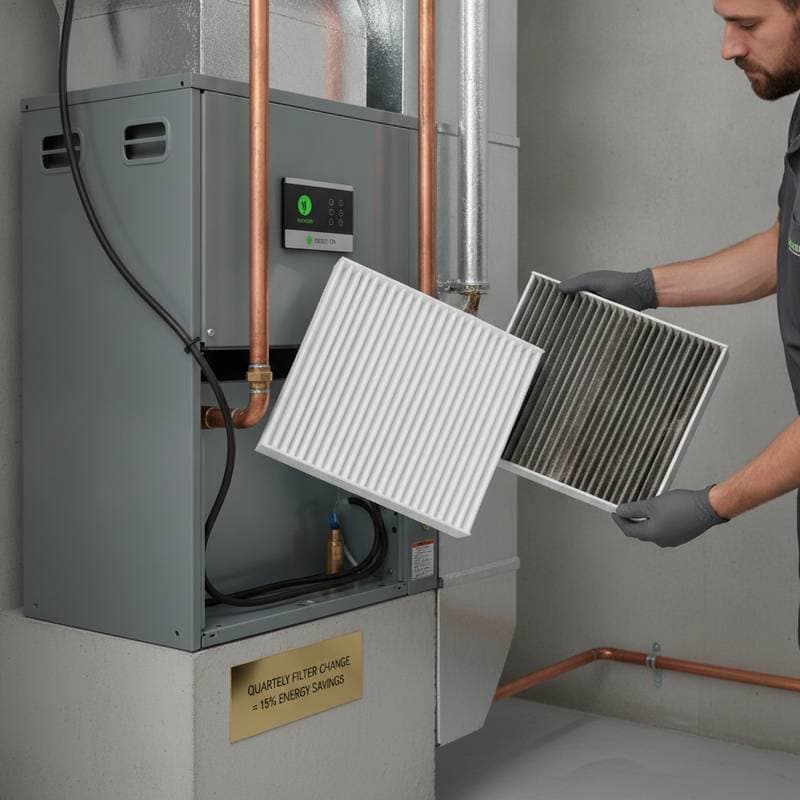
A quarterly replacement schedule suits most households, with changes every three months to manage buildup effectively. This approach maintains optimal airflow and prevents efficiency losses. In homes with pets or allergy sufferers, more frequent replacements may prove necessary, yet quarterly changes establish a solid foundation.
Why Regular Filter Changes Matter
- Improved Air Quality: Clean filters eliminate particles that trigger allergies or respiratory issues.
- Enhanced Energy Efficiency: Unobstructed airflow allows the system to regulate temperatures with less effort.
- Extended System Longevity: Less stress on motors and fans reduces the risk of early failures.
- Steady Comfort Levels: Even distribution of heated or cooled air ensures consistent home temperatures.
Factors Influencing Filter Lifespan and Costs
Filter longevity varies based on household conditions, and maintenance expenses reflect both replacement frequency and type. Standard filters cost between five and twenty dollars each, while premium options range from twenty to fifty dollars. Neglecting replacements can result in energy bills increasing by up to fifteen percent annually, alongside potential repair expenses exceeding hundreds of dollars.
Key Influences on Filter Life
- Household Size and Activity: Larger spaces or higher occupancy generate more dust and debris.
- Presence of Pets: Fur and dander accelerate clogging, often requiring monthly checks.
- Local Air Quality: Areas with high pollen or pollution demand quicker turnovers.
- System Runtime: Continuous operation in extreme climates shortens filter life.
Budget for quarterly purchases based on your setup; for example, a medium-sized home might allocate fifty to one hundred dollars yearly for filters. Track expenses to weigh against savings in energy and repairs.
DIY Versus Professional Maintenance: Choosing the Best Approach
Homeowners face a choice between handling filter changes independently or relying on experts. Each method offers distinct benefits, depending on technical confidence and time availability.
Advantages and Challenges of DIY Replacement
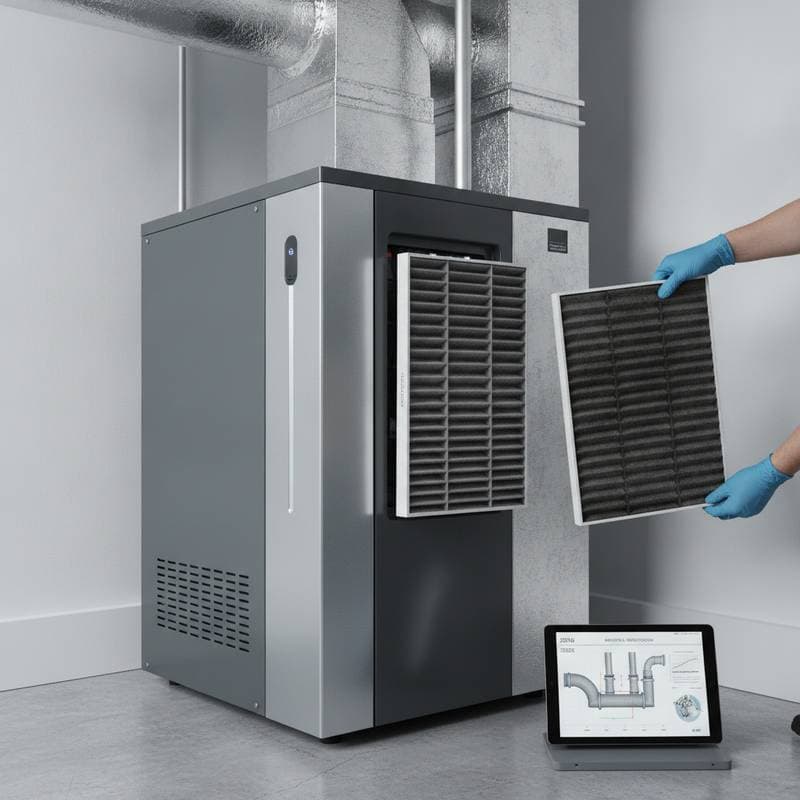
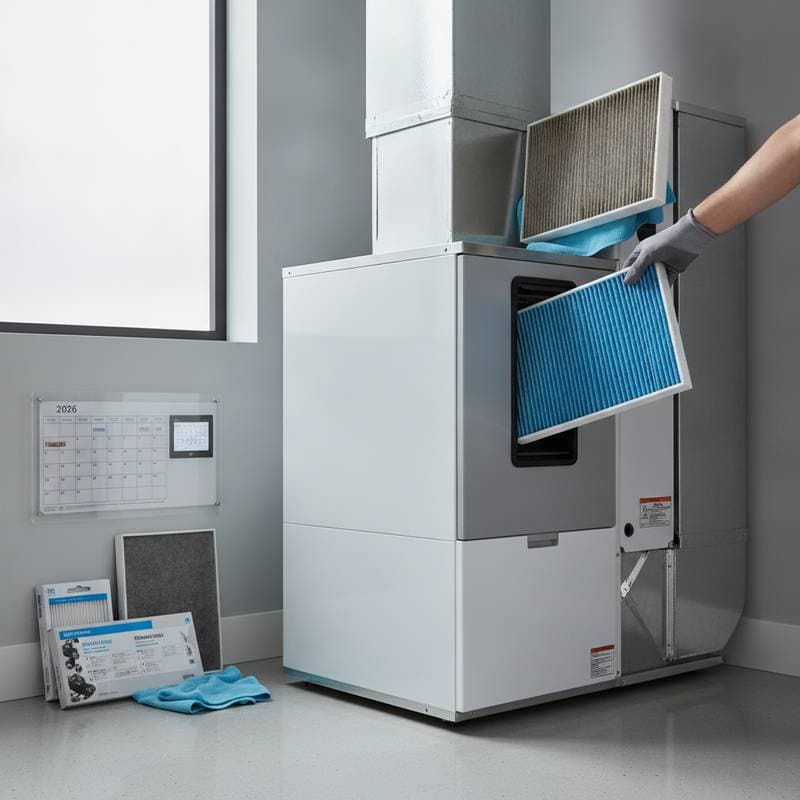
DIY changes provide cost savings and scheduling flexibility. The process involves locating the filter slot, typically near the return air duct or within the air handler unit, and sliding in a new filter with the airflow arrow pointing toward the blower.
Potential downsides include selecting the wrong size, which measures by width, height, and depth in inches, or overlooking system indicators of broader issues. Set calendar alerts three months from installation to avoid lapses.
Benefits and Considerations for Professional Service
Professionals integrate filter replacement into comprehensive tune-ups, inspecting ducts, coils, and electrical components for optimal performance. Such services, priced at one hundred to two hundred dollars per visit, occur biannually for many households, aligning with seasonal demands.
While more expensive, this option detects problems early, such as refrigerant leaks or fan imbalances, preventing major failures. Schedule around peak seasons like spring for cooling preparation or fall for heating readiness.
Essential Tools and Safety Measures
DIY requires minimal equipment: a screwdriver for access panels, gloves to handle dusty filters, and a tape measure for sizing verification. Always power off the HVAC system at the thermostat and breaker to avoid injury or debris circulation.
The replacement takes five to ten minutes. Dispose of old filters responsibly, and note the date on the new one for tracking.
Common Questions on HVAC Filter Maintenance
Experts address frequent inquiries to guide effective care.
How Often Should Filters Change?
Replace every three months in standard conditions. Homes with high dust or allergens benefit from monthly inspections.
Which Filter Type Fits My Needs?
Select pleated filters with a MERV rating of eight to thirteen for balanced filtration without excessive airflow resistance. Consult your HVAC manual to confirm compatibility.
Does a Dirty Filter Harm the System?
Clogged filters cause overheating in furnaces or icing on AC coils, leading to compressor damage or burnout.
Are Reusable Filters Reliable?
They perform well with weekly vacuuming and quarterly deep cleaning, but disposable options ensure consistent efficiency.
Signs of a Needing Replacement?
Observe graying filter media, weaker vents, or accumulating household dust as clear indicators.
Integrate with Professional Visits?
Replace filters during tune-ups to maximize system checks and performance.
Consequences of Skipping Changes?
Expect diminished air purity, elevated bills, and accelerated wear on vital parts.
Impact on Humidity?
Clean filters support even airflow, aiding dehumidifiers or humidifiers in maintaining ideal levels.
Advantages of Thicker Filters?
They capture more particles over time, but verify your unit accommodates four-inch depths versus one-inch standards.
Tracking Methods?
Employ smartphone reminders, adhesive labels on the filter slot, or maintenance logs for reliability.
Options for Allergies?
Choose MERV thirteen or higher to trap fine allergens, enhancing respiratory health.
Seasonal Adjustments?
Align changes with spring pollen peaks, summer dust, fall leaves, and winter dryness.
Vacuuming as Alternative?
It removes loose dirt but fails to clear embedded particles; full replacement restores capacity.
Pre-Season Preparation?
Install fresh filters two weeks before heavy usage to ensure smooth operation.
Step-by-Step Guide to Your Maintenance Plan
Follow this sequence to tailor a plan suited to your home.
Step 1: Evaluate Household Factors
Identify dust sources, pet numbers, and allergy needs to set replacement frequency.
Step 2: Gauge Personal Capabilities
Test comfort with a trial DIY change; if uncertain, opt for professional assistance.
Step 3: Compute Overall Expenses
Factor in filter prices, utility reductions from efficiency, and avoided repair fees.
Step 4: Mitigate Oversight Risks
Implement automated alerts or service contracts to uphold the quarterly rhythm.
Sustaining Optimal Indoor Environment
A dedicated quarterly filter schedule transforms HVAC maintenance into a straightforward practice. This routine not only elevates air purity and efficiency but also safeguards your investment against unexpected costs. Commit to these steps for a healthier, more comfortable living space throughout the seasons.