Quarterly HVAC Filter Changes Transform Indoor Air
Clean air inside a home depends on more than open windows or fragrance sprays. The heart of the system that moves and refreshes air is the HVAC unit. At the center of that system is a small but powerful part, the air filter. Changing it every quarter represents one of the simplest steps homeowners can take to boost air quality, improve energy use, and protect equipment. Many households skip or delay this task, yet the benefits of a regular schedule become evident in comfort, savings, and health.
Why a Quarterly Schedule Matters
A quarterly filter change fits most home needs. It balances efficiency with cost and keeps the system working smoothly through each season. Dust, pet hair, and pollen collect in filters quickly. When left too long, that buildup restricts airflow. The unit must work harder to push air through, which wastes energy and increases wear. A fresh filter every few months keeps that strain away, saving money and keeping the air cleaner.
Experts describe filters as the lungs of a heating and cooling system. When lungs are blocked, breathing becomes tough. The same happens with the HVAC. A quarterly routine clears those blockages before they become serious. It helps avoid surprise breakdowns and maintains even temperature control.
Signs Your Filter Needs Replacement
Even with a set schedule, it helps to look for early warnings. A filter may need to be changed sooner in certain homes. Watch for these signs:
- Weak airflow from vents even when the fan is running.
- Rising energy bills without changes to usage.
- Visible dust buildup on furniture and vent covers.
- Increased allergy symptoms or dry throat indoors.
- Noise from the unit that was not there before.
If two or more of these occur, swap the filter early. Keeping spares on hand avoids delays and keeps the system steady.
Choosing the Right Filter Type
Not all filters work the same. Some are built for high capture of fine particles, others for basic dust control. The main categories include:
- Fiberglass filters: Low cost, easy to replace, but limited in particle capture.
- Pleated filters: Better for homes with pets or high dust levels.
- Electrostatic filters: Use static charge to trap fine particles, can be reusable.
- HEPA filters: Offer the highest filtration, ideal for people sensitive to allergens.
When selecting a filter, check the MERV rating. A higher number means finer filtration but may reduce airflow in older systems. Most homes perform well with ratings between 8 and 11. The goal is balance, not extremes.
How to Replace an HVAC Filter
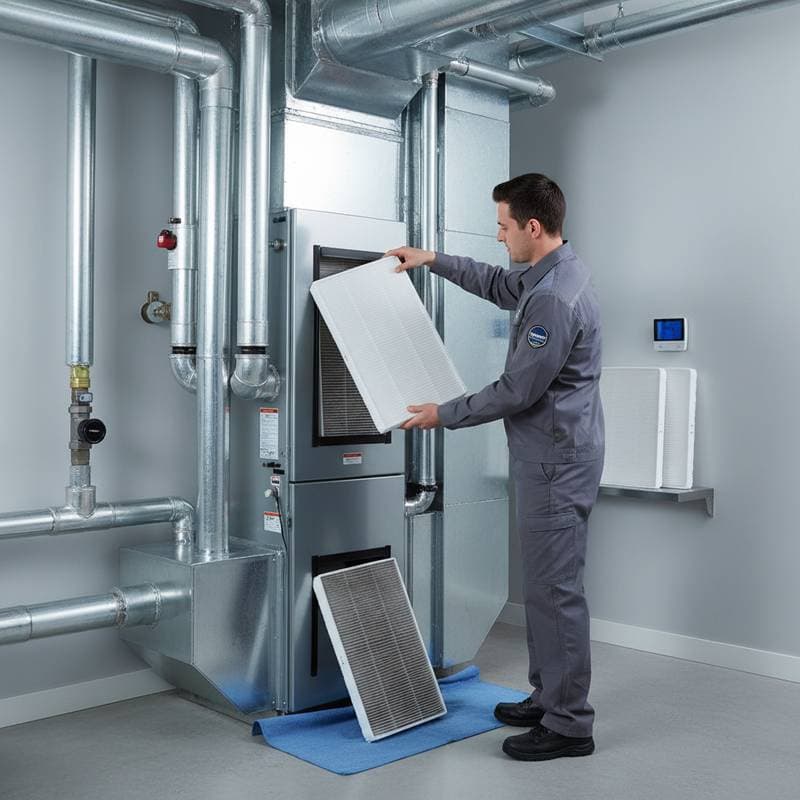
Replacing a filter is a quick process that most homeowners can do without tools. Follow these steps for a safe and correct change:
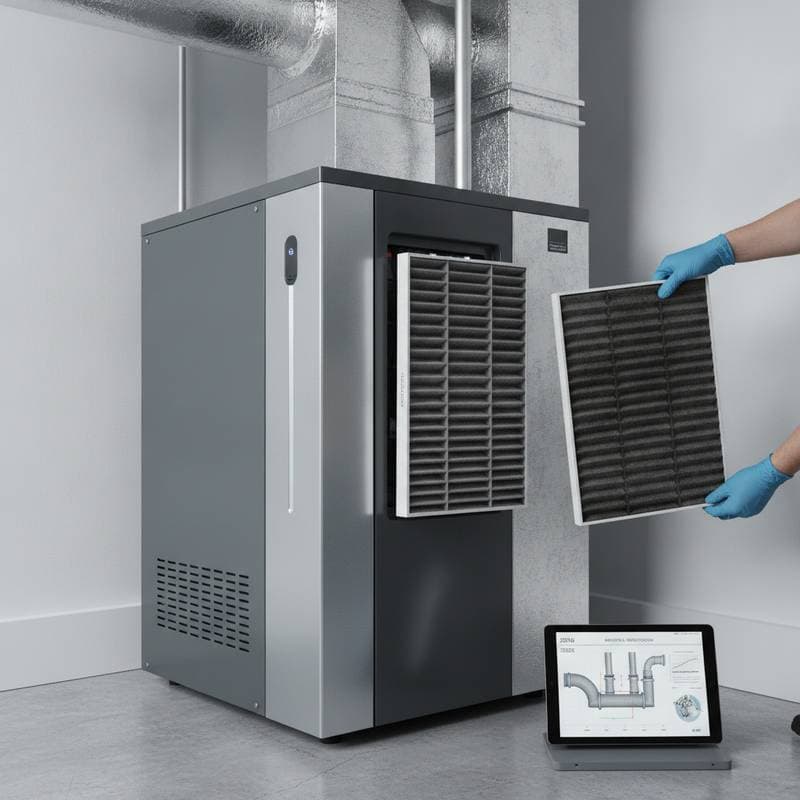
- Turn off the system. Always cut power before handling internal parts.
- Locate the filter slot. It is usually behind a vent grill or inside the furnace cabinet.
- Remove the old filter. Slide it out carefully to avoid shaking dust into the air.
- Check airflow arrows. The new filter has arrows showing direction of airflow. Match them with the system’s indicator.
- Insert the new filter. Slide it in snugly but without force.
- Close the cover and restart. Turn the system back on and note the date for the next change.
Safety Tip: Never run the system without a filter. Doing so can let dust reach the coils and fans, leading to costly repairs.
Benefits of Quarterly Filter Changes
A consistent filter schedule leads to clear results:
- Cleaner indoor air: Reduces dust, pollen, and other airborne irritants.
- Better system performance: Keeps airflow strong and temperature consistent.
- Lower maintenance costs: Prevents debris from reaching internal parts.
- Energy savings: A clean filter can cut energy use by up to 15 percent.
- Longer equipment life: Less strain means fewer breakdowns.
Homeowners often notice that rooms smell fresher and that surfaces stay cleaner longer. A simple filter swap brings steady comfort without large investments.
Cost Breakdown and Comparison
Changing filters quarterly costs less than many expect. A pack of standard filters can last a full year. The real expense lies in neglect. A clogged filter makes the system use more electricity, sometimes doubling runtime. Repairs from overheating or motor strain can reach hundreds of dollars. The math is simple: a few small filter purchases prevent big repair bills later.
A chart comparing average costs can make this clearer:
| Item | Frequency | Approximate Cost | Annual Total |
|---|---|---|---|
| Basic fiberglass filters | 4 per year | $5 each | $20 |
| Pleated filters | 4 per year | $10 each | $40 |
| Professional cleaning (optional) | Once per year | $100 | $100 |
| Estimated annual cost range | $20 - $140 |
A small investment in filters protects an entire HVAC system worth thousands.
Real-World Results and Social Proof
Homeowners who follow quarterly schedules often share strong results. On home forums, users report fewer allergy issues and cleaner vents. One user said their unit ran quieter and cooled rooms faster after only one filter change. Service technicians back this up, saying most emergency calls come from dirty filters blocking airflow.
Energy agencies and building experts agree that filter care is one of the top steps for indoor air improvement. It takes less than five minutes every few months yet influences comfort through every season.
Visual and Data Additions
To support the routine, consider adding visuals:
- Photo suggestion: A close-up of a clean pleated filter beside a used, dusty one. Alt text: new and dirty HVAC filters side by side showing dust buildup.
- Chart suggestion: A bar chart comparing airflow efficiency before and after filter changes.
- Diagram suggestion: Simple airflow path from return vent through filter to ductwork.
Visual aids like these help homeowners see the effect of regular maintenance and can make reminders stick.
Building a Habit That Lasts
Consistency matters more than perfection. Set reminders on a phone or calendar every three months. Mark the filter frame with the date of installation. Some homeowners tie filter changes to other household routines like smoke detector checks or seasonal cleaning. A visible pattern keeps the habit strong.
For larger homes or those with pets, consider a monthly check even if the change happens quarterly. This quick look prevents surprises and keeps air fresh year-round.
Maintaining Your Investment
Quarterly filter changes safeguard the performance of your HVAC system over time. They ensure reliable operation, reduce unexpected expenses, and promote a healthier living environment. By integrating this routine, homeowners secure long-term value from their equipment while enjoying consistent comfort.