Establishing a Quarterly HVAC Filter Maintenance Schedule for Optimal Air Quality
Maintaining fresh indoor air requires consistent attention to your HVAC system's filters. Quarterly replacements form a straightforward routine that enhances performance, reduces energy consumption, and promotes healthier breathing environments. Homeowners often overlook this task until visible issues arise, such as reduced airflow or rising costs, yet proactive scheduling prevents these problems and sustains year-round efficiency.
The Importance of Regular Quarterly Filter Replacements
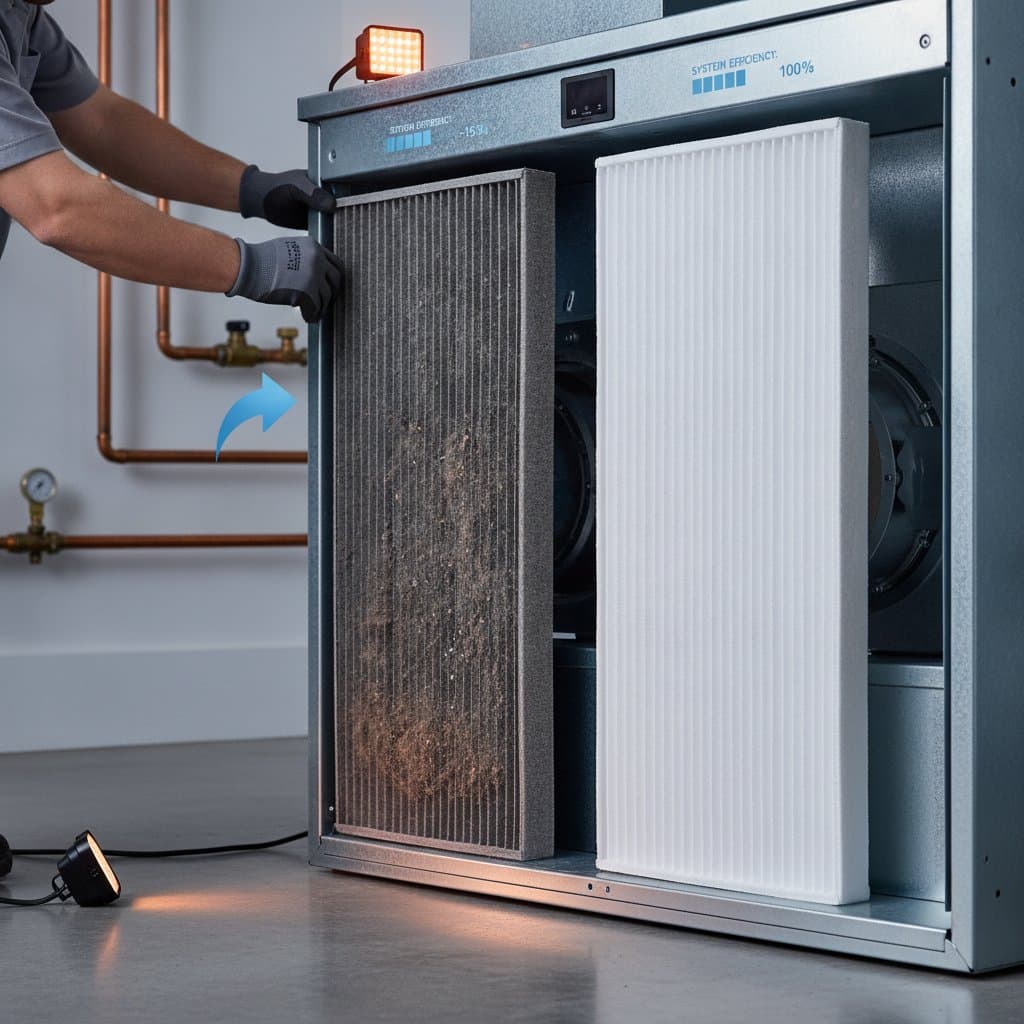
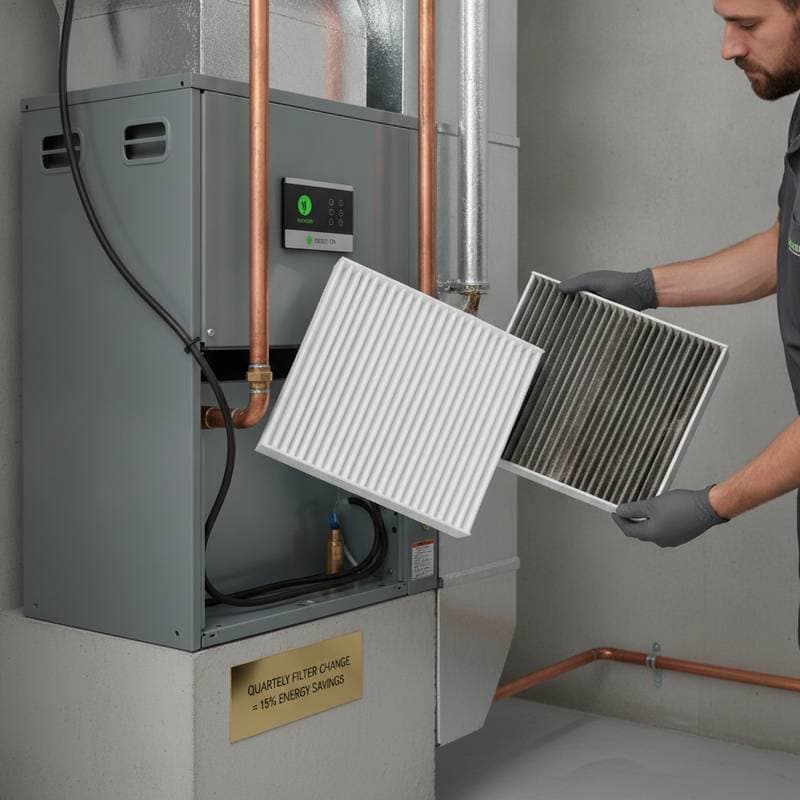
HVAC filters capture airborne particles like dust, pollen, pet dander, and mold spores circulating in your home. As these accumulate, the filter becomes clogged, forcing the blower motor to work harder to circulate air. This increased effort not only elevates electricity usage by up to 15 percent but also accelerates wear on components, potentially leading to costly repairs or premature system failure.
Beyond energy savings, clean filters contribute to better indoor air quality. They minimize irritants that trigger allergies, asthma, or respiratory discomfort, particularly beneficial for families with sensitive members. Professional studies indicate that routine maintenance like this can extend HVAC lifespan by several years while keeping utility bills manageable.
Recognizing When to Replace Your HVAC Filter
Certain indicators signal that your filter requires immediate attention. First, observe if the air in rooms feels stagnant or carries a dusty odor, suggesting restricted circulation. Second, check for diminished airflow from vents; hold a tissue near the grille to test strength—if it barely moves, the filter likely obstructs flow.
Third, review your energy bills for unexplained spikes, as a dirty filter can increase fan operation time. Fourth, inspect surrounding areas for dark residue buildup on registers or coils. Finally, visually examine the filter itself: a gray, dirt-encrusted surface confirms the need for replacement. Addressing these promptly avoids further strain and maintains system balance.
Developing an Effective Quarterly Replacement Schedule
For most households, replacing filters every three months aligns with typical usage patterns. Align changes with seasonal shifts for easy recall: perform the task in January for winter, April for spring, July for summer, and October for fall. This timing accounts for varying indoor activities, such as increased pollen in spring or holiday gatherings in winter.
Adjust the frequency based on specific conditions. Homes with multiple pets, young children, or nearby roadwork may benefit from monthly checks and bimonthly swaps to handle higher dust loads. Conversely, low-traffic residences with minimal allergens can adhere strictly to the quarterly plan without issue.
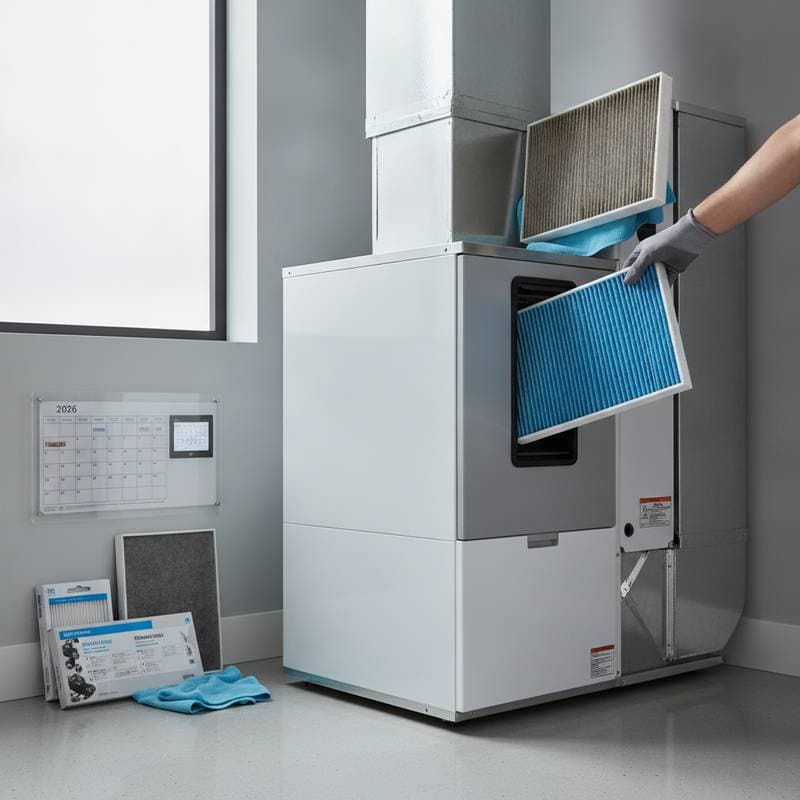
To implement, create a dedicated maintenance log. Use a simple wall chart near your HVAC unit, marking dates and noting filter types used. Set recurring calendar alerts on your phone, and incorporate a monthly visual inspection to gauge clogging early. This structured approach ensures compliance and minimizes forgetfulness.
Selecting the Appropriate Filter for Your System
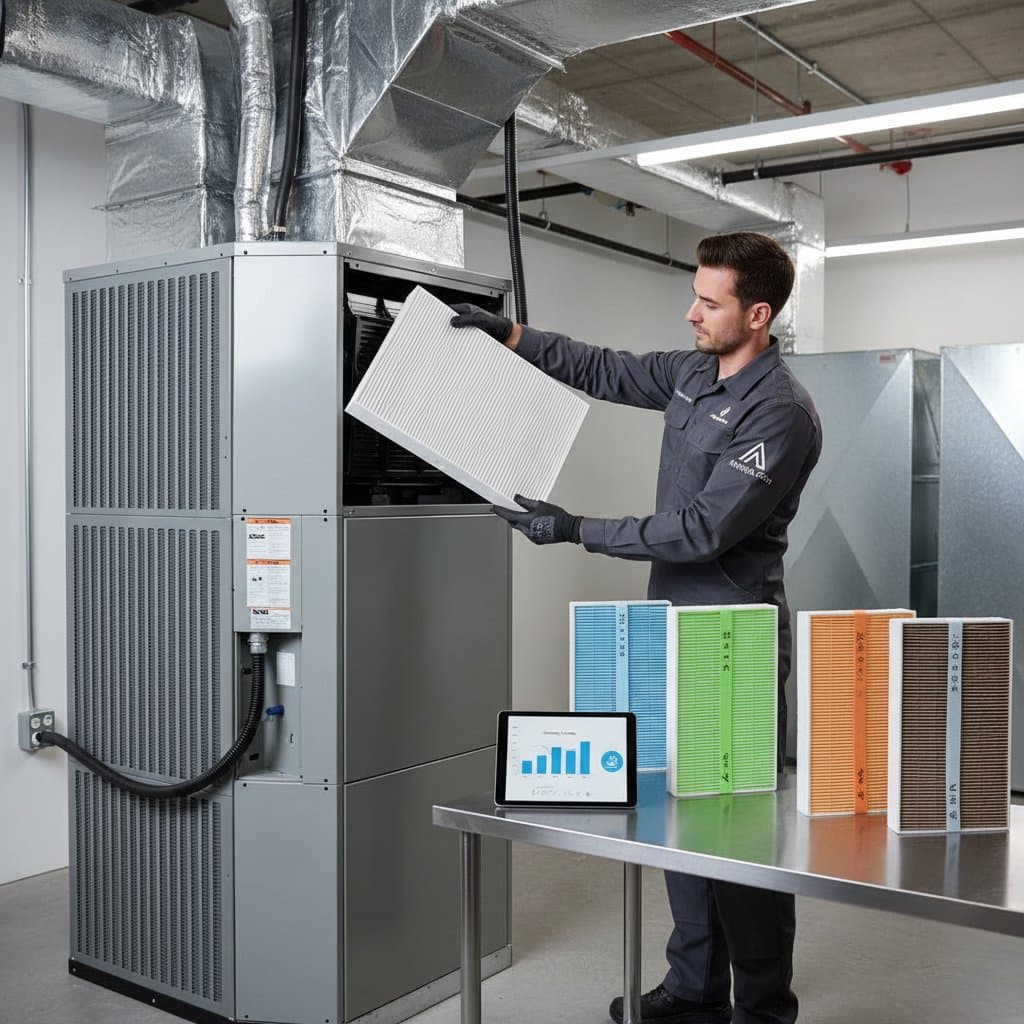
Filters vary by construction and efficiency, each suited to different needs. Basic fiberglass options provide affordable, basic protection against larger debris but offer limited capture of finer particles. Pleated filters, made from folded synthetic materials, expand surface area to trap more contaminants and typically last up to three months.
For superior performance, consider high-efficiency particulate air (HEPA) or advanced electrostatic filters, which achieve MERV ratings of 13 or higher to snag microscopic allergens and smoke. However, compatibility matters: consult your HVAC manual for maximum pressure drop tolerances, as overly restrictive filters can impede airflow and strain the motor.
When upgrading, start with a mid-range pleated filter rated MERV 8-11 for balanced filtration without excessive resistance. Test system performance post-installation by monitoring noise levels and airflow. Professional HVAC technicians can recommend options tailored to your unit's specifications and home environment.
Essential Safety Practices and Cost-Saving Strategies
Prioritize safety during replacements by switching off the HVAC system at the thermostat and breaker to prevent accidental activation. Gently remove the old filter to contain dust particles, then vacuum the housing interior to clear residue. Insert the new filter with the airflow arrow pointing toward the blower, ensuring a secure fit without gaps.
Store spare filters in a cool, dry location to preserve integrity, and purchase in bulk from reliable suppliers to reduce per-unit costs by 20-30 percent. Track expenses systematically: maintain a ledger noting filter type, purchase date, replacement intervals, and associated energy savings observed on bills.
For illustration, a basic fiberglass filter might cost $5 and last one quarter, totaling $20 annually, while a pleated version at $15 per unit yields better efficiency and longevity, potentially offsetting the higher initial outlay through lower utility charges. This methodical tracking highlights the long-term financial advantages of consistent maintenance.
Sustaining Efficiency Through Ongoing Filter Care
Adopting quarterly filter replacements transforms routine upkeep into a cornerstone of home efficiency. This brief procedure, often completed in under 10 minutes, yields substantial returns in comfort, health, and savings. By integrating reminders, selecting compatible filters, and monitoring performance, you foster a resilient HVAC system that delivers consistent, clean air year after year.