Essential Steps to Protect Pipes from Freezing This Winter
Temperatures below freezing threaten plumbing systems in homes and buildings. Frozen pipes lead to bursts that cause extensive water damage and high repair expenses. Proactive measures, including insulation and temperature control, allow homeowners and property managers to minimize these risks and maintain system integrity.
This resource provides detailed guidance on protecting pipes, selecting appropriate materials, and addressing various locations. Implementing these strategies reduces the likelihood of emergencies and preserves financial resources.
The Mechanics of Pipe Freezing
Water expands upon freezing, applying intense pressure to pipe interiors. This expansion often results in cracks or complete ruptures, particularly in pipes located in unheated zones such as attics, basements, crawl spaces, and exterior walls. A minor fracture releases vast amounts of water upon thawing, amplifying the damage.
Data from the Insurance Information Institute indicates that burst pipe incidents rank as a leading cause of winter insurance claims. Repair costs for one event frequently surpass thousands of dollars, varying with the damage scope. Proactive prevention proves far more cost-effective than post-incident fixes.
Apply Insulation to At-Risk Pipes
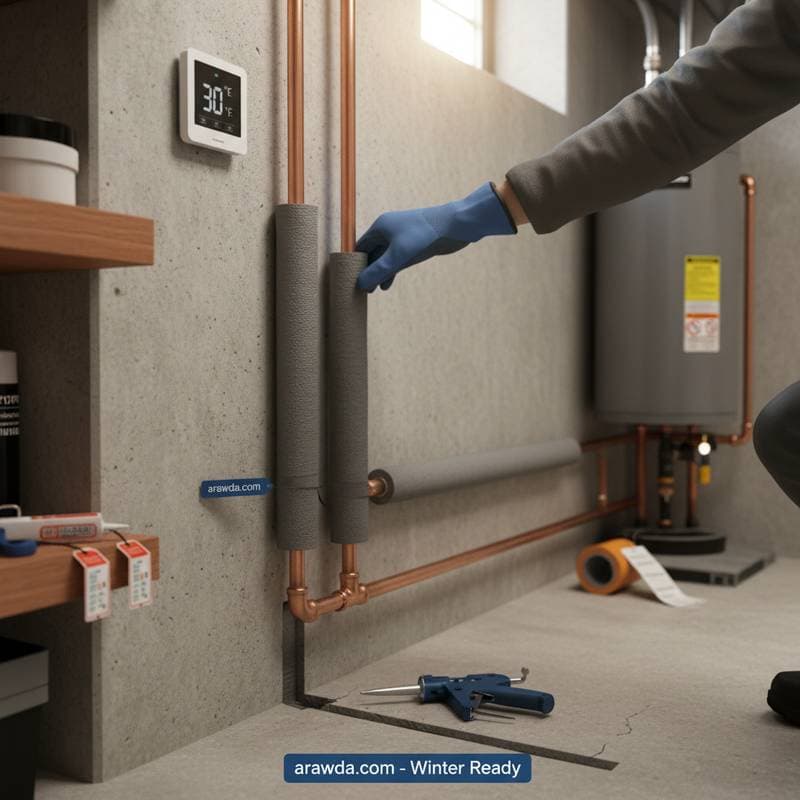
Insulation serves as a primary barrier against freezing for vulnerable pipes. Options include foam tubing, fiberglass wraps, and rubber sleeves, available at most hardware retailers. These materials create a thermal shield to stabilize pipe temperatures.
Select thicker insulation for pipes exposed outdoors or in unheated areas, prioritizing products rated for severe cold. Self-adhesive foam sleeves facilitate easy installation for do-it-yourself projects. In moist environments like basements, opt for closed-cell foam to resist water absorption.
Plumber Mike Reynolds notes that proper insulation lowers freezing risk by as much as 80 percent. He recommends prioritizing extended pipe sections in unconditioned spaces, which often receive less attention during inspections.
Maintain Water Flow During Cold Spells
Moving water resists freezing more effectively than stagnant water. During severe cold, permit a steady drip from faucets to promote circulation and alleviate internal pressure. Target faucets linked to pipes along outer walls or in unheated regions.
In multi-story homes, adjust both hot and cold faucets minimally to encourage system-wide flow. This method prevents isolated freezing points. The additional water usage remains negligible when weighed against burst pipe repair expenses.
Install Heat Tape or Heating Cables
Heat tape and heating cables deliver targeted warmth to pipes via electrical wrapping. These devices connect to outlets and feature built-in thermostats that engage at low temperatures. They prove especially effective for pipes in crawl spaces, garages, and exterior walls.
Match the cable to the pipe type and size, as some suit metal while others accommodate plastic. Adhere strictly to installation guidelines and examine cords for damage prior to activation. For extensive systems, consult a certified electrician to install permanent heat tracing.
Seal Entry Points and Drafts Around Pipes
Cold air infiltrates through gaps where pipes penetrate walls, floors, or foundations. Apply expanding foam or caulk to seal these openings, concentrating on pipe entries near vents, windows, and utility routes.
Such drafts sufficiently chill surrounding areas to induce freezing. Sealing enhances energy efficiency by retaining indoor heat. Complement these efforts with weatherstripping on doors and attic floor insulation to sustain uniform temperatures.
Sustain Indoor Temperatures
Consistent indoor warmth shields pipes embedded in walls. Refrain from excessive thermostat reductions overnight or during absences. Open cabinet doors beneath sinks to permit air circulation around pipes in kitchens and bathrooms on exterior walls.
For prolonged absences, maintain a moderate thermostat setting and arrange for periodic checks by neighbors or managers. Smart thermostats offer notifications for unexpected temperature drops, enabling timely adjustments.
Isolate and Drain Outdoor Water Lines
Attached outdoor hoses retain water that expands upon freezing, stressing connected pipes. Disconnect and empty hoses before winter arrives. Close the indoor valve for exterior faucets and open outdoor taps to drain residual water. Verify proper drainage in frost-proof spigots post-shutoff.
Extend this process to irrigation and sprinkler lines by draining or air-blowing the system. Professional landscaping services provide winterization to eliminate trapped water and prevent subsurface freezing.
Inspect and Insulate Crawl Spaces and Basements
Unheated crawl spaces and basements frequently harbor freezing pipes. Install rigid foam boards or fiberglass batts on walls and close off vents to block cold air entry. Ground vapor barriers mitigate humidity and aid temperature regulation.
In expansive crawl spaces, employ thermostatically controlled heaters with caution, ensuring safety compliance and regular oversight. Maintain distance from flammable items and select units approved for confined spaces.
Prepare for Potential Emergencies
Preparation mitigates damage even in unforeseen cold snaps. Locate and access the main water shutoff valve readily. Upon detecting a burst, deactivate the water supply promptly to halt flooding.
Stock essentials such as repair tape, absorbent towels, and containers. For frozen but intact pipes, apply low heat from a hair dryer or warm cloths to thaw slowly. Avoid open flames or intense heat sources, which risk further pipe harm or ignition. Summon a licensed plumber if conditions appear hazardous.
Benefits of Ongoing Plumbing Care
Regular winter upkeep extends plumbing longevity beyond freeze prevention. Insulated and sealed systems endure fewer thermal stresses. Property owners adhering to these practices experience reduced emergency interventions and minimized water loss.
Research from Consumer Reports reveals that well-insulated homes face 35 percent less freeze damage. These investments yield enduring cost savings and reliability.
Implement These Safeguards Now
Safeguard your plumbing through systematic inspection of exposed areas, draft sealing, and insulation addition. A robust system withstands temperature extremes without failure. These actions ensure uninterrupted water access amid winter challenges.