Essential Fall Roof Inspections to Prevent Winter Damage
As temperatures drop and foliage accumulates in gutters, the roof faces impending strain from snow, ice, and freezing precipitation. These elements reveal vulnerabilities in the roofing system. A methodical fall inspection identifies minor problems early, averting substantial repair expenses. Homeowners who maintain a pre-winter routine often reduce costs related to damage and energy consumption.
Inspecting Shingles and Flashing
Begin with a ground-level visual assessment using binoculars or a camera with zoom capability. Identify missing, cracked, curling, or loose shingles. Even slight elevation allows water infiltration, which freezes and expands beneath the surface.
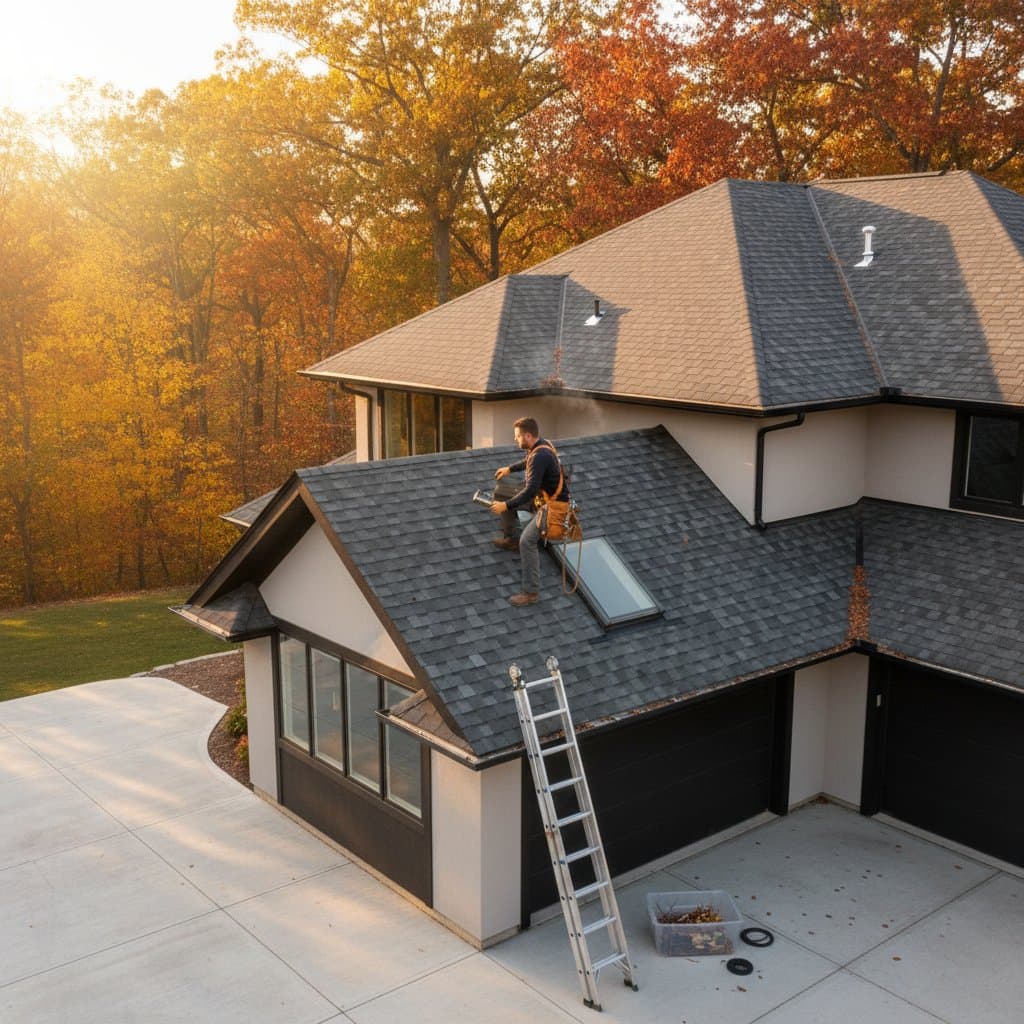
Proceed to examine flashing around chimneys, vents, and skylights. This metal component seals joints against water entry. Rust, looseness, or deformation permits moisture penetration, potentially leading to attic mold. Homeowners can reseal or replace affected sections affordably to avoid extensive structural fixes.
Cleaning and Testing Gutters
Gutters serve as the primary barrier against roof deterioration. Clogs from leaves or debris cause water backup under shingles or overflow onto siding. Perform a thorough cleaning in fall to mitigate winter water intrusion.
Wear gloves and employ a scoop or specialized tool to clear accumulations. Flush the system with a garden hose to verify unobstructed flow. Ensure downspouts channel water several feet from the foundation; install extensions or splash blocks if pooling occurs nearby.
Checking Attic Ventilation and Insulation
Excess attic warmth contributes significantly to winter roof issues. Escaping heat from occupied areas melts roof snow, which refreezes at edges to create ice dams. These formations block water, forcing it beneath shingles.
Inspect vents for obstructions like dust, nests, or insulation material. Confirm free airflow from soffit vents to ridge vents. Address condensation or moist insulation by improving ventilation. Proper insulation with appropriate R-value enhances comfort and cuts heating expenses considerably.
Examining Roof Penetrations and Seals
Plumbing vents, exhaust pipes, and satellite mounts represent leak risks where they pierce the roof. Sealants degrade over time, developing cracks or peeling. Inspect for gaps or worn caulking around each penetration.
Apply durable roofing sealant to minor openings, preventing freeze-thaw cycles from widening them. Seek professional evaluation for soft or sagging spots near these areas. Untreated rot or weakening undermines the roof deck, necessitating costlier full replacements later.
Assessing Chimneys and Skylights
Chimneys and skylights demand scrutiny to preempt leaks. Check chimney mortar joints and crown for fissures using binoculars or close-up photography. For skylights, note inter-pane condensation or deteriorating perimeter sealant, indicators of water entry.
If fireplace use is frequent, arrange professional cleaning before winter. Creosote accumulation presents fire risks and corrodes adjacent roofing. A qualified inspector clears the flue and evaluates structural integrity simultaneously.
Evaluating Roof Structure and Drainage
Low-slope or flat roofs warrant particular care. Shallow depressions trap water that freezes and expands. Carefully traverse the surface or engage experts to detect soft areas or pooling.
On sloped roofs, clear valleys of debris; these pathways manage substantial runoff. Blockages divert water under shingles into underlayment. In snowy regions, confirm structural adequacy; sagging rafters or fractured trusses signal urgent needs. Experts can reinforce with bracing or additional supports.
Deciding Between DIY and Professional Assistance
Ground or attic-based checks pose minimal risk for many tasks. However, steep pitches, multi-level designs, or evident damage require licensed contractors. Professionals utilize harnesses, equipment, and detection tools for comprehensive, safe evaluations.
Confident homeowners can manage ladder access for gutter clearing, flashing checks, and minor fixes. Avoid walking on shingles, as improper steps damage materials, particularly in cooler weather when they harden. Prioritize safety over self-reliance when uncertainty arises.
Budgeting for Roof Maintenance
Expenses for fall inspections and adjustments depend on roof size and state, yet remain modest versus emergency winter interventions. Basic cleaning and reviews typically range in the low hundreds, with leak patching under one thousand. Neglected issues, however, escalate to thousands in ceiling and insulation repairs.
Incorporate roof care into seasonal preparations alongside furnace tune-ups or window treatments. This integrated approach streamlines efforts and minimizes future expenditures by maintaining a sealed, efficient home.
Proactive Measures for Long-Term Protection
Record inspection findings with photographs and observations. Annual comparisons reveal gradual shifts for timely action. Trim overhanging limbs to limit debris and shingle wear.
Install gutter guards or plan interim clearings in wooded settings to sustain winter performance.
Safeguarding Your Home's Roof
Effective winter performance shields the entire structure below. Routine fall assessments, prompt repairs, and ventilation focus prolong lifespan and uphold property value. Personal or expert involvement ensures reliability through consistent effort.