Home Warranty vs. Home Insurance: Essential Differences for 2025 Protection
Homeownership delivers a sense of pride, comfort, and ongoing responsibility. Safeguarding this significant investment requires preparation for unforeseen challenges. When a pipe bursts or an appliance malfunctions, expenses can escalate quickly. Homeowners often evaluate two primary protection options: a home warranty and home insurance. Each provides coverage, yet their focuses diverge substantially. Grasping the mechanics of both enables informed selection tailored to individual circumstances.
Core Distinctions Between Home Warranty and Home Insurance
Home insurance shields against abrupt damage to the home structure or personal possessions resulting from incidents such as fire, theft, or severe weather. This coverage facilitates financial recovery following catastrophic events. In contrast, a home warranty addresses expenses for repairing or replacing essential systems and appliances that malfunction due to typical wear and tear over time.
Home insurance functions as a safeguard for damage inflicted by external forces. A home warranty targets internal breakdowns associated with regular usage and aging components. These protections often work in tandem, enhancing overall security without overlap.
Coverage Provided by Home Insurance
Standard home insurance policies encompass multiple protection categories:
- Dwelling coverage, which repairs or rebuilds the home's physical structure after covered perils
- Personal property coverage, which replaces belongings damaged by theft, fire, or other listed events
- Liability coverage, which defends against claims if visitors suffer injuries on the property
- Additional living expenses coverage, which funds temporary housing and meals during extended repairs
Mortgage lenders typically mandate home insurance as a fundamental requirement. The primary aim remains restoration after sudden losses, excluding routine maintenance or appliance replacements. For instance, coverage might apply to water damage from a storm but not from a gradually leaking pipe.
Coverage Provided by Home Warranties
Home warranties activate when critical systems or appliances cease functioning from normal wear. Common inclusions feature:
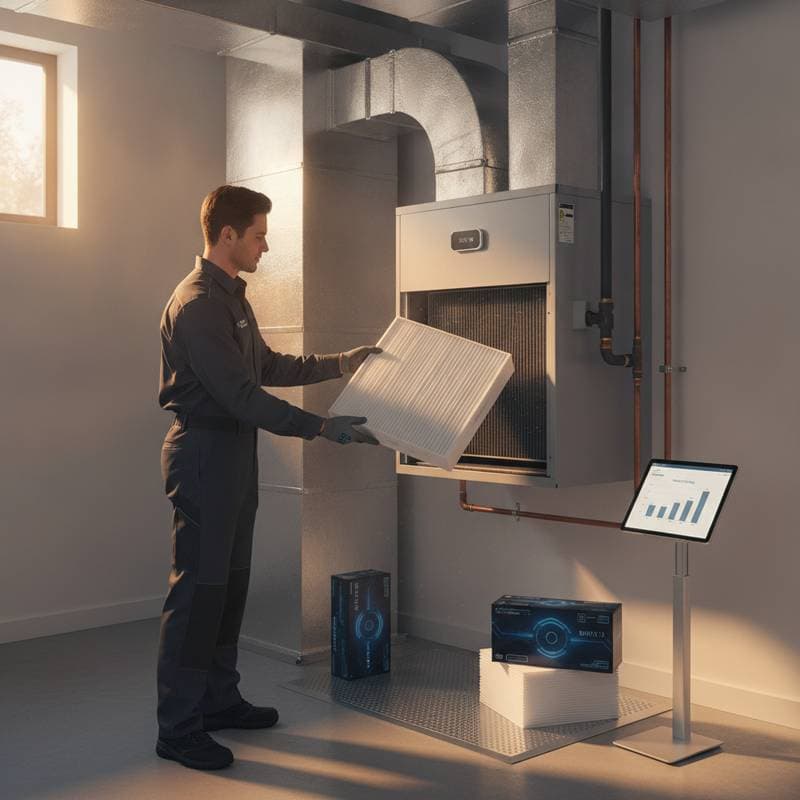
- Heating, ventilation, and air conditioning systems
- Plumbing and electrical systems
- Built-in kitchen appliances, including ovens, dishwashers, and refrigerators
- Laundry appliances, such as washers and dryers
Upon a service request, homeowners pay a modest service fee, often between $75 and $125, while the warranty provider handles remaining repair or replacement costs, subject to policy caps. Reputable providers, such as American Home Shield and Choice Home Warranty, earn praise in consumer discussions for efficient claim processing and straightforward pricing structures. These plans prove particularly valuable for homes lacking active manufacturer warranties.
Evaluating Costs and Overall Value
Home insurance premiums fluctuate based on factors like geographic location, property valuation, and past claims. Annual costs range from $800 to $2,000, with deductibles starting at $500 for many policies. Significant claims may involve out-of-pocket expenses in the thousands.
Home warranties generally prove more affordable annually, averaging $400 to $600, paired with per-incident service fees. Insurance manages infrequent, high-cost disasters, whereas warranties mitigate the cumulative impact of everyday repairs. One homeowner on Reddit recounted how their warranty offset nearly $2,000 in HVAC replacement costs during summer demand. Another detailed insurance reimbursing over $40,000 for storm-induced roof repairs. Such accounts illustrate the complementary nature of these protections.
Scenarios for Optimal Use
For recently constructed homes where systems remain under manufacturer guarantees, prioritizing robust insurance coverage aligns with needs. Older properties with depreciating components benefit from adding a home warranty to avert unanticipated bills. Numerous homeowners opt for both, layering disaster recovery with maintenance support.
Real estate professionals frequently advise sellers to include a one-year home warranty. This gesture assures prospective buyers of system reliability, facilitating smoother transactions and minimizing future conflicts. In competitive markets, such inclusions can elevate offers by demonstrating proactive care.
Steps to Select Appropriate Coverage
Examine policy exclusions meticulously during comparisons. Home insurance seldom addresses mechanical failures, while warranties exclude structural damages from natural causes. Assess response times for claims, maximum payout limits, and compatibility with trusted local contractors.
Consumer feedback and Better Business Bureau evaluations offer valuable perspectives on provider dependability. Consider your home's age and usage patterns; for example, families with heavy appliance reliance may favor expanded warranty options. Simulate potential scenarios to match coverage with likely risks.
Strategies for Sustained Home Protection
Effective protection extends beyond policies to proactive measures. Routine upkeep prolongs system longevity and minimizes claim frequency. Arrange yearly HVAC inspections, annual water heater flushes, and quarterly plumbing checks.
Document all maintenance activities to streamline future claims. A comprehensive approach integrates strong insurance for external threats with dependable warranties for internal operations. This combination aligns with your property's condition, financial parameters, and risk tolerance. By evaluating options now, homeowners secure tranquility against tomorrow's uncertainties.