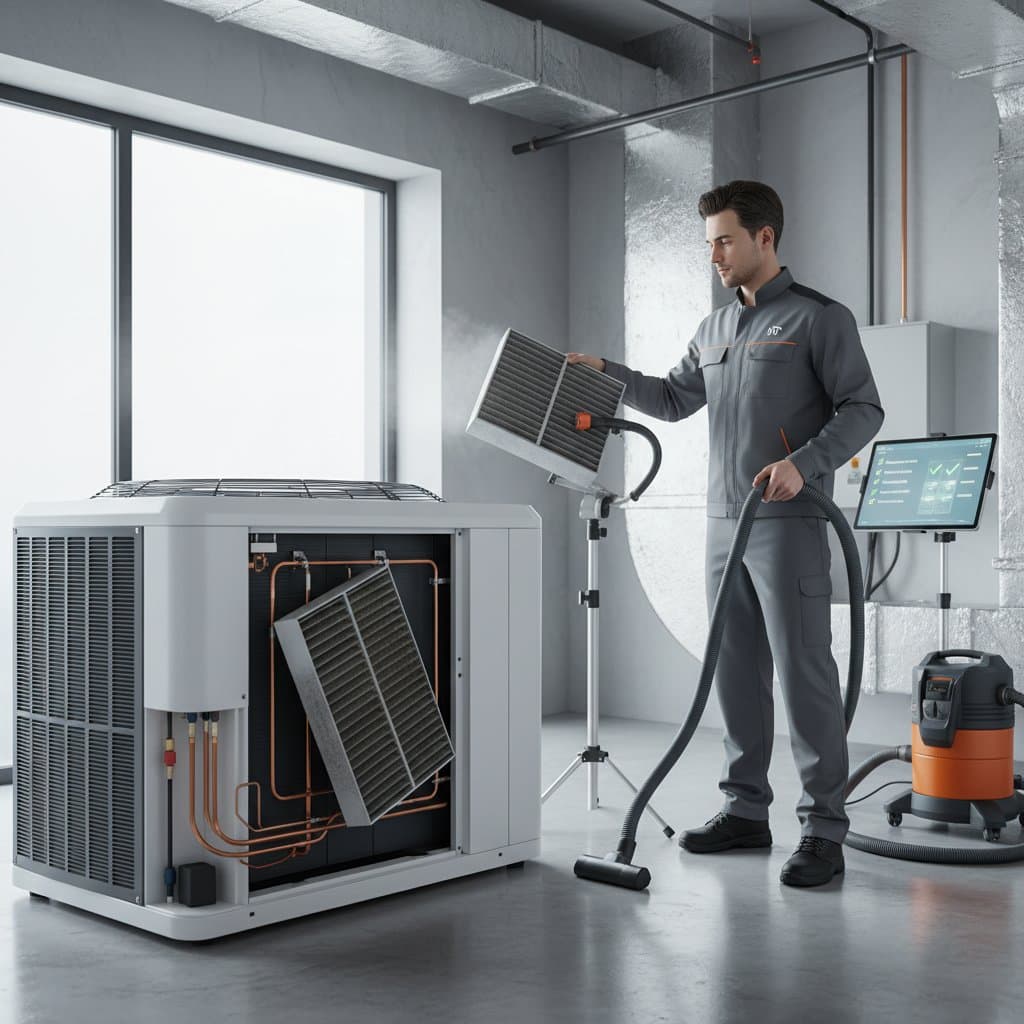
Essential AC Maintenance Tasks to Beat the Summer Heat
When temperatures rise, the air conditioner becomes a critical component of home comfort. Proper maintenance ensures consistent cooling while reducing energy expenses. Homeowners benefit most by addressing upkeep before peak heat arrives, avoiding system strain and unexpected failures.
This guide outlines essential tasks for optimal performance. It includes step-by-step instructions, cost considerations, and professional recommendations suitable for DIY efforts or technician consultations.
Replacing AC Filters Regularly
Clogged filters restrict airflow, forcing the system to work harder and increasing energy use by up to 15 percent. Dirty filters also diminish indoor air quality and accelerate component wear. Homeowners should inspect filters monthly and replace them every one to three months, depending on usage and filter type.
Steps for replacement:
- Locate the filter slot, typically near the return air duct or inside the air handler.
- Turn off the system at the thermostat and power source.
- Slide out the old filter and note the airflow direction arrow.
- Insert the new filter, ensuring proper orientation, and secure it in place.
- Restore power and test the system.
Upgrade to high-efficiency pleated filters for better performance, though they require more frequent changes. This simple task can lower energy bills significantly by improving airflow and efficiency.
Cleaning the Condenser Coils
The outdoor condenser coils dissipate heat absorbed from indoors. Accumulated dirt, debris, and pollen on the fins impair heat release, resulting in extended run times and elevated electricity consumption.
Safe cleaning procedure:
- Disconnect power at the unit's service panel.
- Clear large debris from the base and maintain a two-foot clearance from surrounding vegetation.
- Remove the top grille by unscrewing it, handling with care to protect fan wiring.
- Hose down the fins from inside to outside using moderate water pressure.
- For heavy buildup, apply a commercial coil cleaner, then rinse thoroughly.
HVAC professionals advise against pressure washers, as high force may bend delicate fins and compromise efficiency. Regular cleaning enhances cooling by up to 15 percent and eases compressor workload.
Calibrating the Thermostat
An inaccurate thermostat contributes to inefficient operation, as the system cycles improperly to maintain temperature. Homes that fail to cool evenly often trace issues to thermostat placement or calibration.
Upgrade considerations:
- Programmable models allow customized schedules for daily routines.
- Smart versions adapt to user patterns, potentially reducing energy use by 10 percent.
Verify the thermostat mounts level on an interior wall, distant from sunlight, drafts, or heat sources that skew readings. Annual battery replacement prevents operational interruptions.
Inspecting Refrigerant Lines
These lines transport refrigerant between the indoor evaporator coil and outdoor compressor. Foam insulation on the lines minimizes heat gain; damaged sections allow infiltration, reducing system efficiency.
Examine lines for cracks, tears, or missing insulation, and repair with compatible foam sleeves available at hardware suppliers. Ice formation signals potential leaks or airflow restrictions, warranting immediate professional attention to avert compressor damage.
Arranging Annual Professional Inspections
DIY efforts complement but do not replace expert service. Annual visits by certified technicians encompass:
- Refrigerant level and pressure assessments
- Thorough coil and blower cleaning
- Electrical connection evaluations
- Capacitor capacity measurements
- Safety control verifications
Such tune-ups cost between 100 and 200 dollars. Early detection of minor problems, like small leaks or degrading capacitors, prevents major repairs exceeding 1,000 dollars for compressor replacement.
Prioritizing Safety and Avoiding Pitfalls
Electrical and refrigerant components demand careful handling. Disconnect power prior to accessing panels or wiring. Refrain from metal tools near fans or coils to prevent injury or damage.
Common errors to sidestep:
- Adding refrigerant without calibrated gauges
- Operating the unit uncovered during maintenance
- Disregarding unusual sounds or odors
- Obstructing return vents with furnishings
These oversights risk compressor longevity or pose fire hazards. Consult professionals for uncertain situations.
Sustaining Long-Term System Performance
Beyond immediate comfort, a well-maintained air conditioner safeguards against humidity-related damage, enhances air quality, and stabilizes utility costs. Establish seasonal check reminders to integrate these practices into routine home care.
Consistent attention yields reliable operation, diminished repair needs, and substantial savings. As heat intensifies, homeowners gain assurance in a system primed for enduring efficiency.