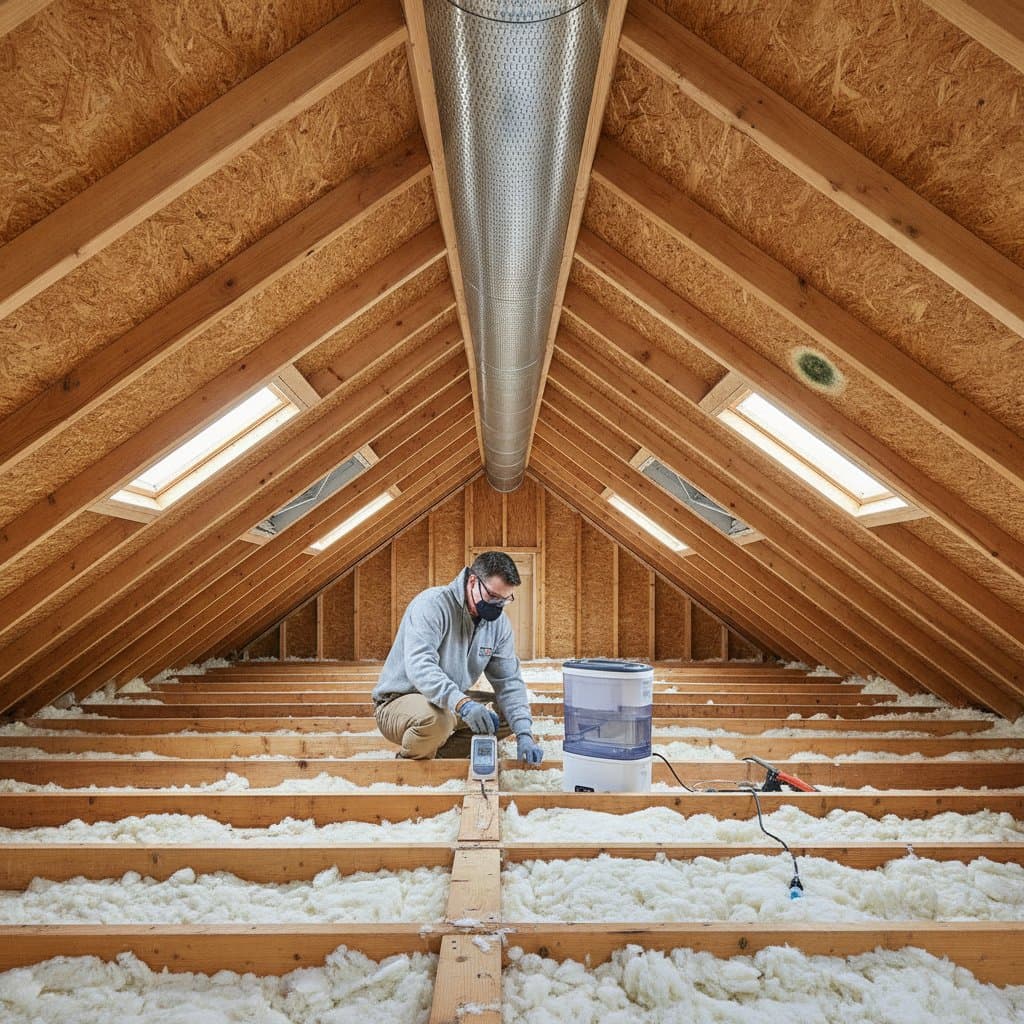
Roof Leaks in 2025: Decoding Home Warranty Coverage
Roof leaks rank among the most disruptive challenges for homeowners, capable of causing extensive damage to structural elements like insulation, drywall, and flooring. Numerous individuals presume that a home warranty provides comprehensive protection against such incidents, yet they frequently encounter restrictive clauses in policy documents that limit reimbursement. Gaining insight into the application of home warranty coverage to roof leaks enables individuals to anticipate potential expenses and make informed decisions that preserve financial stability.
This comprehensive guide examines the specific aspects of coverage for water infiltration issues, highlights critical exclusions, and outlines the role of professional services in resolution. It further provides strategies for long-term protection of residential investments beyond immediate repairs.
Standard Coverage for Roof Leaks Under Home Warranties
Home warranty policies vary by provider, but common provisions for roof leaks encompass targeted interventions to address immediate concerns. Coverage typically extends to the following elements:
- Leak identification and sealing. Authorized technicians pinpoint the leak origin and apply patches or sealants to halt water entry.
- Flashing maintenance. Repairs to deteriorated flashing surrounding chimneys, vents, or skylights involve resealing to restore integrity.
- Localized shingle or tile replacement. Limited replacement of damaged shingles or tiles occurs when directly linked to the leak source.
- Internal verification. Certain providers conduct assessments to confirm cessation of leakage and mitigate risks of subsequent interior harm.
Such policies seldom cover complete roof overhauls, substantial structural reinforcements, or remediation of internal water damage. Homeowners must turn to separate insurance policies for those broader scenarios, ensuring alignment between warranty and insurance for optimal protection.
Financial Implications of Roof Leak Repairs
The emergence of a roof leak introduces variable expenses influenced by the leak's cause, roofing material, and damage scope. Homeowners typically face outlays ranging from several hundred dollars to multiple thousands for remediation efforts. A qualifying home warranty claim can substantially offset these costs, provided the issue aligns with policy stipulations.
Detailed Expense Analysis
- Basic patching or sealing: Approximately 100 to 200 dollars, suitable for superficial breaches.
- Flashing overhaul: 200 to 500 dollars, addressing corrosion or displacement in protective barriers.
- Sectional roof restoration: 500 to 1,500 dollars, involving targeted replacement of affected areas.
- Comprehensive roof renewal: 5,000 to 15,000 dollars or higher, contingent on material choices like asphalt, metal, or tile.
Providers impose a service call fee, generally 70 to 100 dollars, for each technician dispatch. This charge applies irrespective of claim approval, underscoring the importance of reviewing fee structures and cap limits prior to policy selection to prevent unforeseen financial burdens.
Navigating the Claim Process for Roof Leaks
Prompt and accurate claim submission proves essential to securing home warranty benefits for roof leaks. Providers adhere to standardized procedures that facilitate efficient handling.
Step 1: Prompt Reporting of the Incident
Initiate contact with the warranty administrator immediately upon detecting the leak. Postponement risks escalation of damage, potentially rendering the claim ineligible under policy guidelines.
Step 2: Arranging Professional Assessment
The provider dispatches a certified contractor to evaluate the roof. This inspection identifies the leak's root cause and assesses compliance with coverage criteria.
Step 3: Evaluating Inspection Results
Request a detailed written summary delineating the leak's etiology and covered repair scope. This record supports potential appeals should initial determinations prove unfavorable.
Step 4: Settling the Service Charge
Upon verification of coverage eligibility, remit the designated service fee. The provider then reimburses approved repair expenditures within established policy caps.
Step 5: Post-Repair Monitoring
Following completion of repairs, arrange a subsequent inspection or personally observe the site during precipitation events. Retain all documentation, including receipts and reports, for ongoing reference and dispute resolution.
Perspectives from Roofing and Warranty Experts
Professionals in roofing and warranty administration often highlight recurring pitfalls in coverage applications through industry forums. Discussions on platforms like Reddit and Quora reveal widespread homeowner frustration with denials attributed to maintenance oversights.
A roofing expert featured in a HomeAdvisor forum states, "Many denied claims come down to maintenance neglect. A roof inspection twice a year can prevent most leaks that homeowners hope a warranty will fix." This viewpoint aligns with directives from the National Roofing Contractors Association, which advocates biannual evaluations to prolong roof durability and avert premature deterioration.
Specialists emphasize that early intervention aligns with provider preferences, as prolonged exposure to moisture compromises underlying decking and escalates repair demands beyond typical limits. Proactive engagement with certified roofers enhances claim success rates and minimizes overall intervention costs.
Strategies to Avert Roof Leaks
Although home warranties offer a safeguard, preventive measures represent the most economical approach to roof preservation. Implementing routine upkeep routines significantly prolongs material lifespan and diminishes claim frequency.
Essential Maintenance Protocol
- Post-Storm Evaluation. After intense rainfall or gusty conditions, examine for displaced shingles, unsecured flashing, or accumulated debris that could channel water improperly.
- Gutter System Clearance. Regularly remove obstructions from gutters and downspouts to facilitate efficient drainage and prevent water pooling beneath roofing layers.
- Vegetation Management. Prune branches overhanging the roof to eliminate risks from falling debris and reduce moisture retention due to shaded environments.
- Ventilation Assessment. Ensure adequate attic airflow to dissipate trapped humidity, thereby protecting the roof's internal structure from degradation.
- Annual Expert Review. Engage a qualified roofer for thorough inspections to detect subtle wear indicators, such as granule loss on shingles or sealant cracks.
Incorporating these practices into seasonal routines fosters resilience against environmental stressors, ultimately reducing reliance on warranty interventions.
Securing Long-Term Roof Integrity
Addressing a roof leak demands vigilance, but mastery of home warranty intricacies empowers homeowners to navigate challenges effectively. Thorough review of coverage provisions, diligent exclusion analysis, and consistent maintenance routines collectively mitigate fiscal exposures and sustain structural soundness.
Policy selection warrants scrutiny of not only premiums but also repair caps, procedural efficiencies, and provider reliability. Opting for comprehensive plans that accommodate specific roofing compositions ensures tailored protection without compromising affordability.
Meticulous record-keeping of inspections, interventions, and correspondences fortifies positions in any contention scenarios. Through such preparedness, home warranties function as robust buffers, enabling seamless management of roof leak resolutions and preservation of residential value.