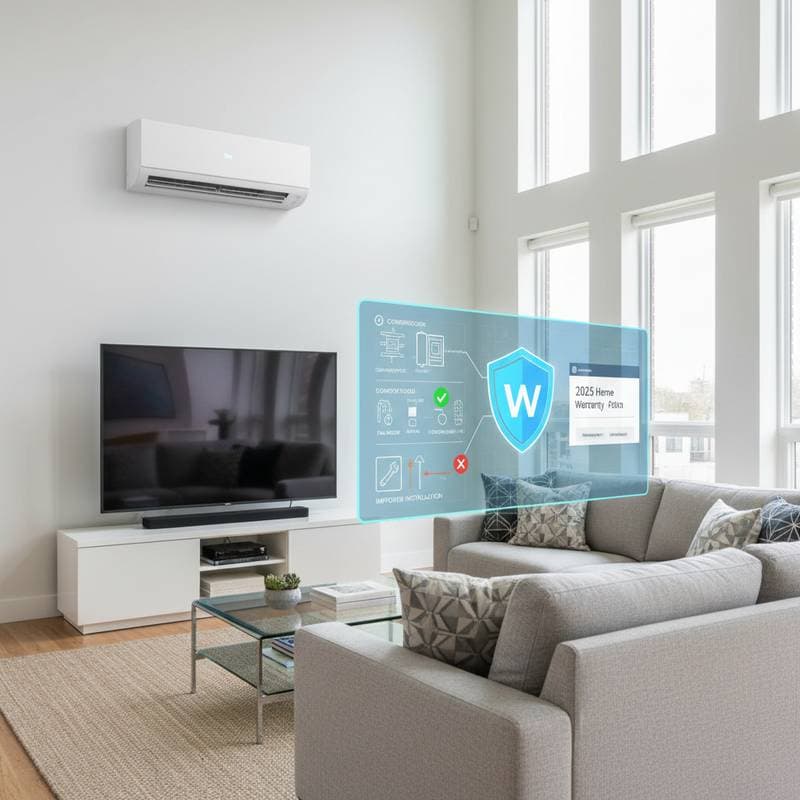
Mini-Split Coverage: What Home Warranties Include in 2025
Mini-split systems, also known as ductless air conditioners, offer homeowners efficient temperature control without extensive ductwork. These systems provide reliable performance, yet they remain susceptible to wear over time, much like other HVAC equipment. Repairs or replacements for mini-splits often involve significant expenses, prompting many homeowners to seek protection through home warranties. Knowledge of coverage specifics enables informed decisions, maximizes plan benefits, and minimizes unforeseen costs.
Understanding Mini-Split Coverage in Home Warranties
A home warranty functions as a service contract that addresses repairs or replacements for essential home systems and appliances resulting from typical wear and tear. Coverage for mini-split systems varies by provider and selected plan tier. Standard plans generally encompass HVAC systems, though the extent of protection for ductless units hinges on plan details and available add-ons.
What Is Typically Covered
Home warranties frequently protect core elements of mini-split systems, including:
- Compressor and condenser unit
- Evaporator coils
- Refrigerant lines and valves
- Thermostats and sensors
- Electrical connections and controls
- Internal fan motors
These plans address repair or replacement costs for failures arising from regular operation. Labor expenses receive coverage in most cases, subject to a modest service fee per technician visit.
What Is Usually Excluded
Home warranties offer substantial support but maintain boundaries. Typical exclusions for mini-split systems encompass:
- Damage stemming from incorrect installation or inadequate upkeep
- Refrigerant leaks caused by corrosion or impact
- Aesthetic elements such as covers, grills, or remote controls
- Units protected by active manufacturer warranties
- Malfunctions due to electrical surges, severe weather, or infestations
Careful review of policy terms prevents claim disappointments. Providers define normal wear and tear distinctly, leading to variations in exclusions across companies.
Factors That Affect Coverage
Several elements influence the scope of mini-split protection under a home warranty:
- System age and condition: Established units may face restricted coverage or necessitate pre-enrollment inspections.
- Number of units: Configurations with multiple zones could incur distinct terms or elevated service fees.
- Plan level: Entry-level options might omit ductless systems, whereas advanced plans integrate them alongside increased benefit caps.
- Maintenance history: Providers often demand evidence of consistent servicing to validate HVAC claims.
Awareness of these variables guides selection of an appropriate plan aligned with specific equipment needs.
DIY vs Professional: Making the Right Choice
Issues with a mini-split system may prompt consideration of self-repairs. Simple tasks, such as filter cleaning or debris removal, pose minimal risk for homeowners. Warranty validity, however, frequently requires engagement of certified professionals for substantial work.
DIY Maintenance Tasks
Homeowners manage essential upkeep independently to prolong system longevity and sustain warranty compliance. Recommended actions include:
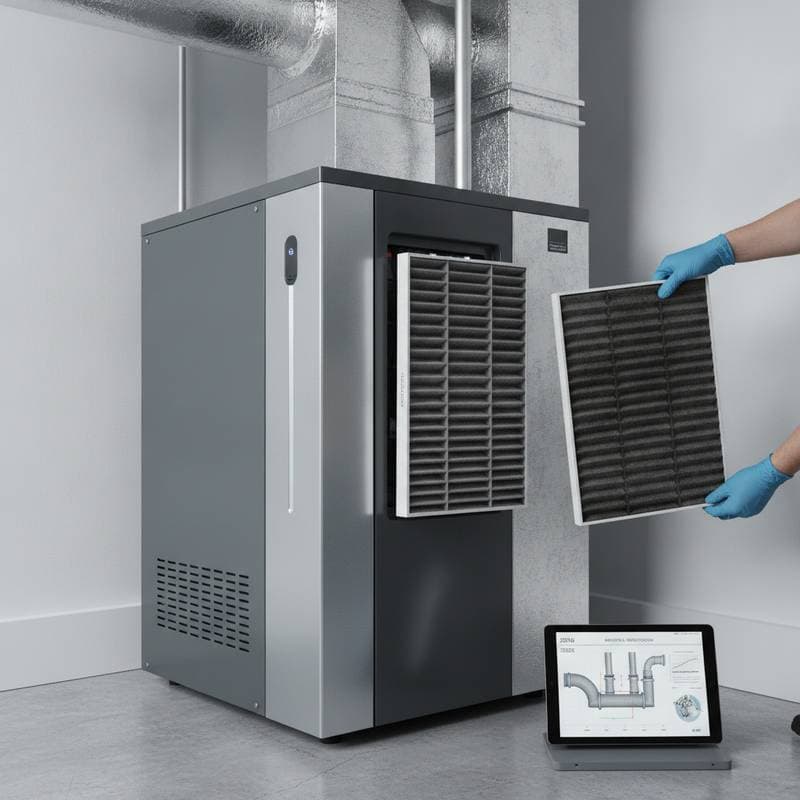
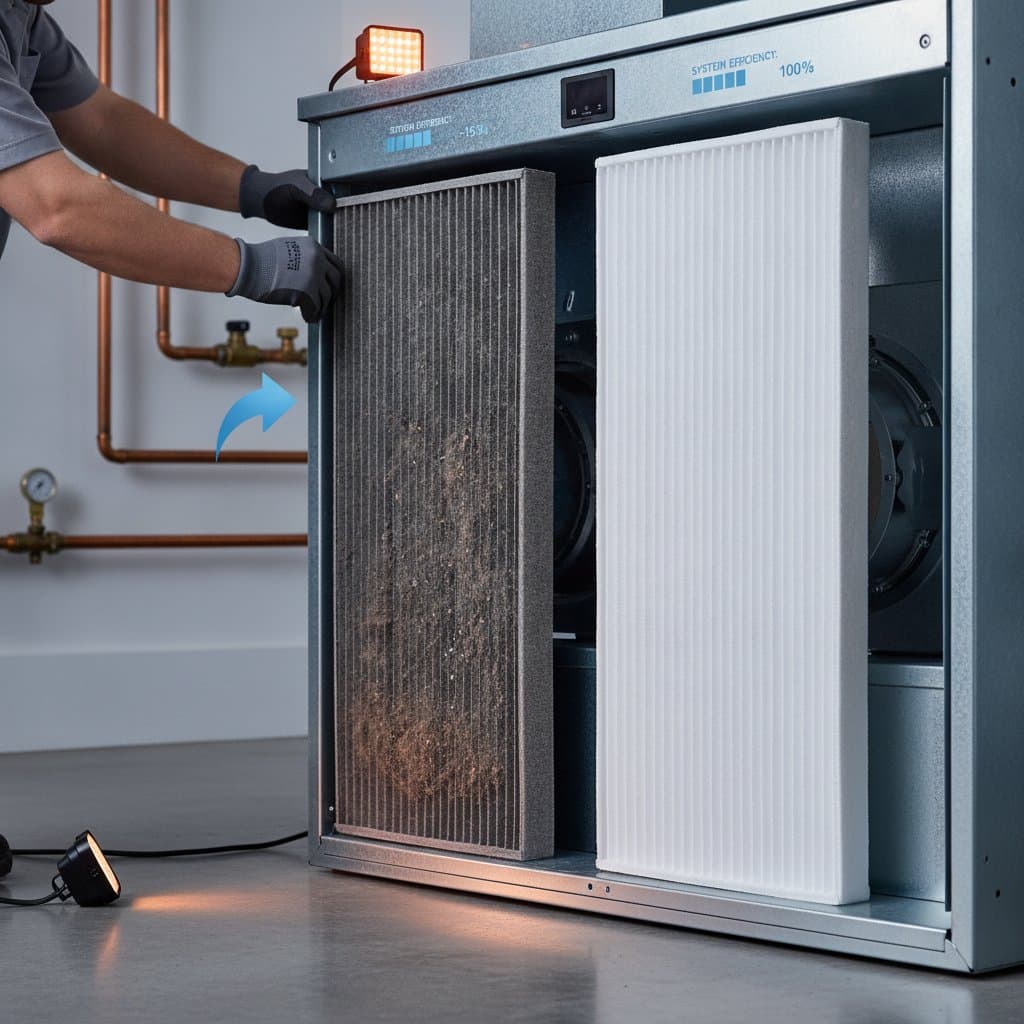
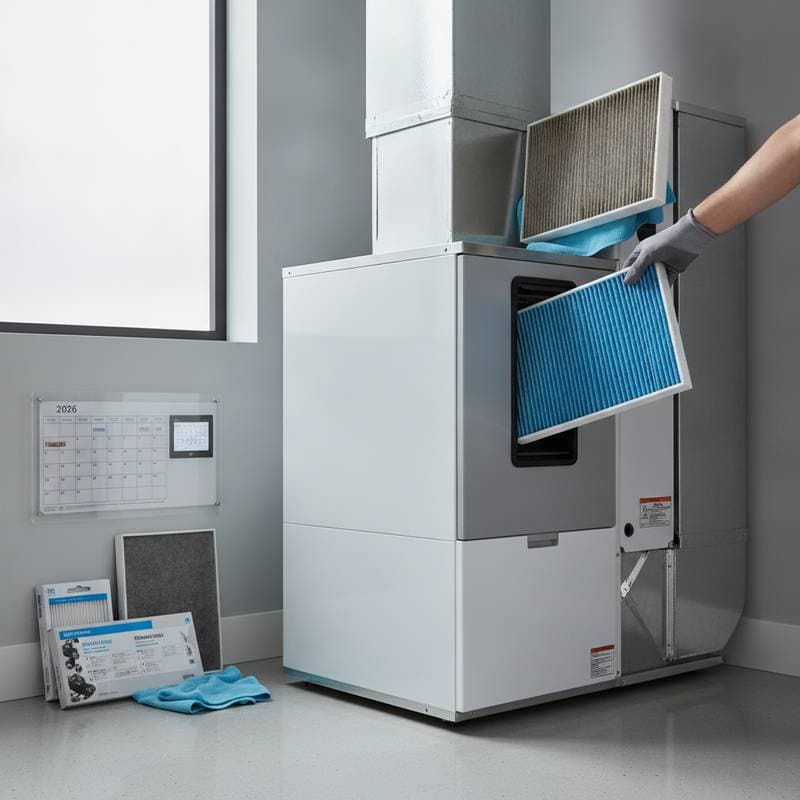
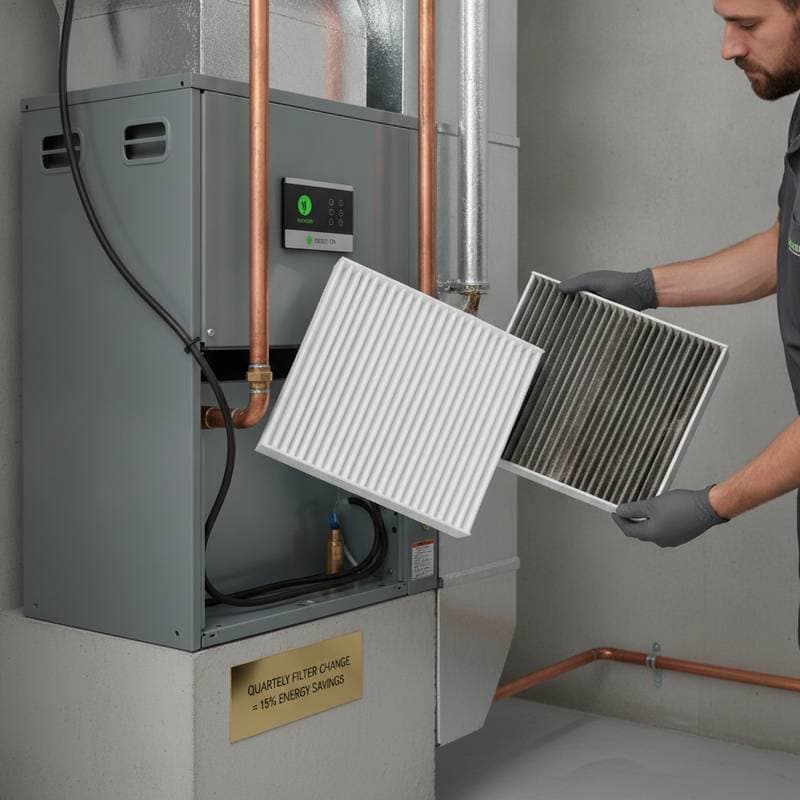
- Cleaning or replacing air filters on a monthly basis
- Wiping surfaces of indoor units to remove dust
- Inspecting outdoor units for accumulated leaves or debris
- Verifying clearance in condensate drain lines
Such practices optimize efficiency, alleviate component stress, and avert escalation of minor problems into major failures.
Why Professional Service Matters
Warranty providers mandate use of vetted contractors for repairs. Independent attempts at electrical or refrigerant interventions risk policy invalidation and introduce safety concerns. Certified HVAC specialists possess requisite expertise and equipment to pinpoint issues precisely while managing refrigerants in compliance with regulations.
Professional interventions also generate thorough documentation essential for claims. Should components fail subsequently, records demonstrate adherence to warranty protocols.
Balancing Cost and Coverage
Independent maintenance reduces expenses, yet expert assistance delivers assurance and preserves plan integrity. For systems under warranty, initiate contact with the provider prior to arranging service. This step secures assignment of a plan-approved technician.
Your Mini-Split Questions, Answered
Industry professionals address frequent inquiries regarding mini-split warranties.
How much does a home warranty cover for mini-split repairs?
Plans allocate a defined sum per incident, typically ranging from several hundred to one thousand dollars. Exceeding this threshold requires payment of the excess by the homeowner.
Are mini-split replacements fully covered?
Complete replacements qualify for coverage when systems prove irreparable due to standard wear. Benefits remain subject to the policy's maximum limit.
Do I need an add-on for ductless systems?
Certain providers incorporate mini-splits within core HVAC provisions, while others necessitate supplemental endorsements. Verification with the provider confirms inclusion of ductless configurations.
What maintenance keeps my warranty valid?
Regular activities, including filter cleaning, vent clearance, and yearly professional evaluations, uphold coverage. Neglect often results in claim rejections.
Can I choose my own technician?
Providers designate approved contractors. Unauthorized external services may invalidate claims.
Does coverage include refrigerant refills?
Select plans cover refills to specified limits; others impose additional charges. Examination of the HVAC policy section clarifies details.
What if my system is under manufacturer warranty?
Active manufacturer coverage positions the home warranty as supplementary, covering labor or fees excluded by the original terms.
Are multiple zones covered under one plan?
Multi-zone setups receive protection as a unified installation, though additional units may attract surcharges under some policies.
Does coverage include smart thermostats?
Standard thermostats fall under protection; advanced smart or connected models require explicit policy mention for inclusion.
What happens if my claim is denied?
Denied claims permit review requests or appeals. Maintenance logs and inspection documents strengthen supporting arguments.
How to Decide: Your Step-by-Step Guide
Selection of a suitable home warranty for mini-split protection demands thorough assessment. These steps facilitate a well-informed choice.
Step 1: Assess Your System
Evaluate the age, manufacturer, and current state of the mini-split. Systems showing age or recurrent service needs benefit most from warranty safeguards against repair expenses.
Step 2: Compare Plans
Examine offerings from multiple providers, focusing on HVAC specifications. Seek explicit references to ductless or mini-split systems within coverage descriptions.
Step 3: Calculate the True Cost
Weigh annual premiums and service fees against probable repair outlays. Compressor replacements alone may exceed several thousand dollars, rendering modest yearly payments advantageous.
Step 4: Evaluate Risk and Reliability
Newer, meticulously maintained units may require only fundamental protection. Older installations warrant expansive plans with elevated limits for comprehensive security.
Step 5: Confirm Eligibility
Engage providers to validate system qualification. Inquire about pre-existing condition exclusions and required documentation for enrollment.
Preparing for Your Mini-Split Warranty Claim
Effective claim preparation streamlines resolutions and boosts approval chances:
- Maintain documentation: Retain purchase invoices, service histories, and installation records.
- Contact your provider first: Report malfunctions via the designated channel before engaging technicians.
- Describe symptoms clearly: Note specifics such as odd sounds, inconsistent temperatures, or diagnostic codes.
- Follow up after service: Verify completion and obtain detailed written summaries.
- Schedule preventive maintenance: Yearly expert reviews detect issues proactively and affirm policy adherence.
Sustaining Long-Term Protection
Mini-split systems enhance home comfort and efficiency effectively. A thoughtfully selected home warranty safeguards this asset by offsetting repair burdens and guaranteeing expert interventions, ensuring sustained reliability without financial strain.