Does a Home Warranty Cover Air Monitors in 2025?
Homeowners increasingly prioritize indoor air quality amid rising concerns over dust, pollen, carbon monoxide, and volatile organic compounds that impact health and comfort. Smart air monitors provide real-time tracking of these pollutants, offering valuable insights into home environments. When such a device malfunctions, questions arise about home warranty coverage, and clear understanding of policy terms enables better preparation for repairs and prevents unforeseen expenses.
Understanding Home Warranty Coverage Basics
A home warranty functions as a service contract designed to cover repair or replacement costs for major home systems and appliances due to normal wear and tear. This differs from homeowners insurance, which addresses damage from accidents, theft, or natural disasters. Warranties typically encompass essential components such as HVAC systems, water heaters, electrical systems, and plumbing fixtures.
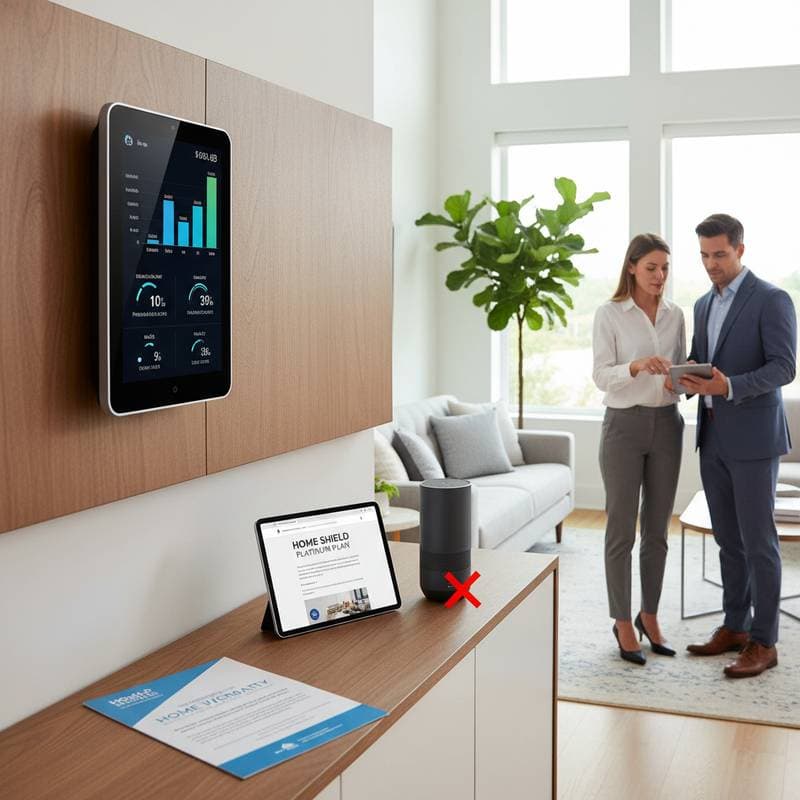
Optional add-ons may extend protection to items like pools, septic systems, or select electronics, but coverage hinges on whether the item qualifies as integral to the home's core functionality. Standalone smart devices, including air monitors, frequently occupy an ambiguous position, with many plans excluding them outright.
Factors Influencing Coverage for Air Monitors
Coverage eligibility for air monitors depends on several specific criteria that providers evaluate during claims:
-
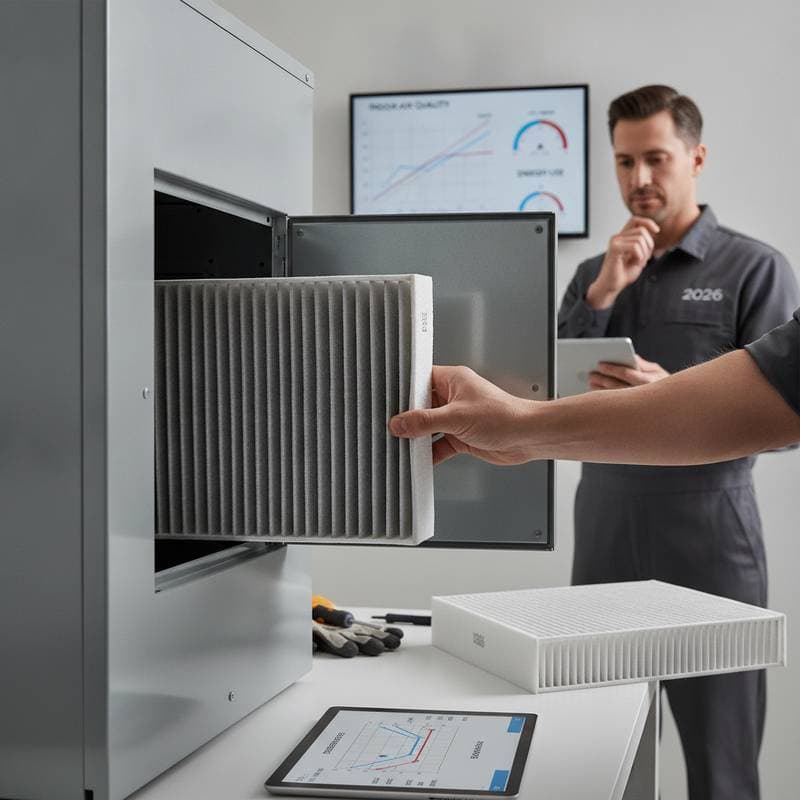
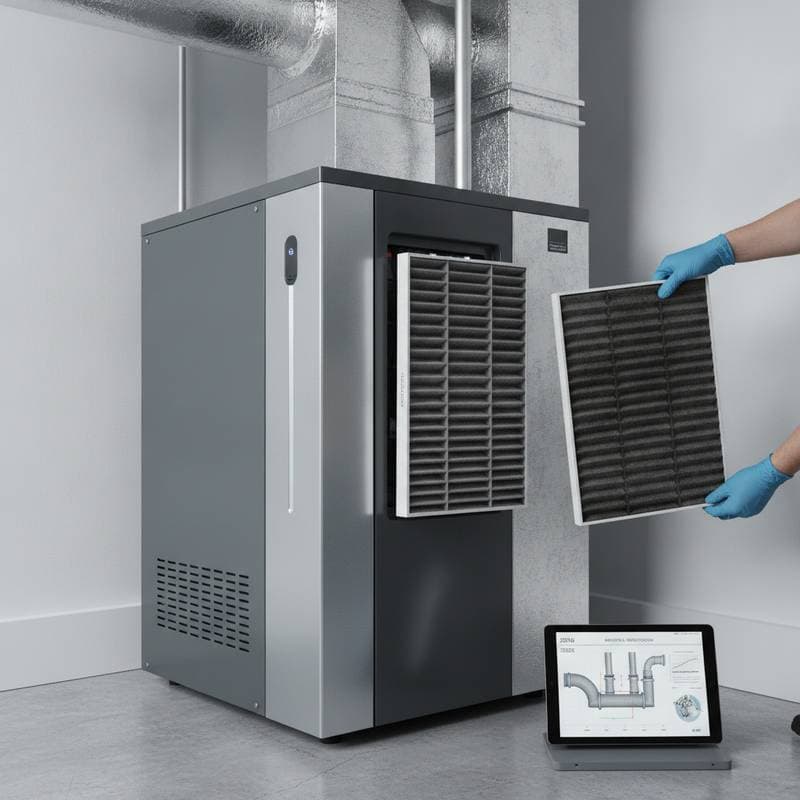
System Integration: Monitors embedded within HVAC units may receive coverage if the failure impacts covered elements, such as the air handler or ductwork. Standalone units connected via apps or Wi-Fi often do not qualify.
-
Device Classification: Portable, battery-operated, or plug-in models resemble small appliances and fall outside standard coverage, as they lack permanent installation.
-
Plan Level Selection: Entry-level plans focus on basics and omit smart tech. Upgraded mid-tier or comprehensive plans frequently include optional riders for connected devices.
-
Pre-Existing Issues: Policies exclude devices with faults present at the contract's inception. Documentation from installation or prior inspections proves compliance.
-
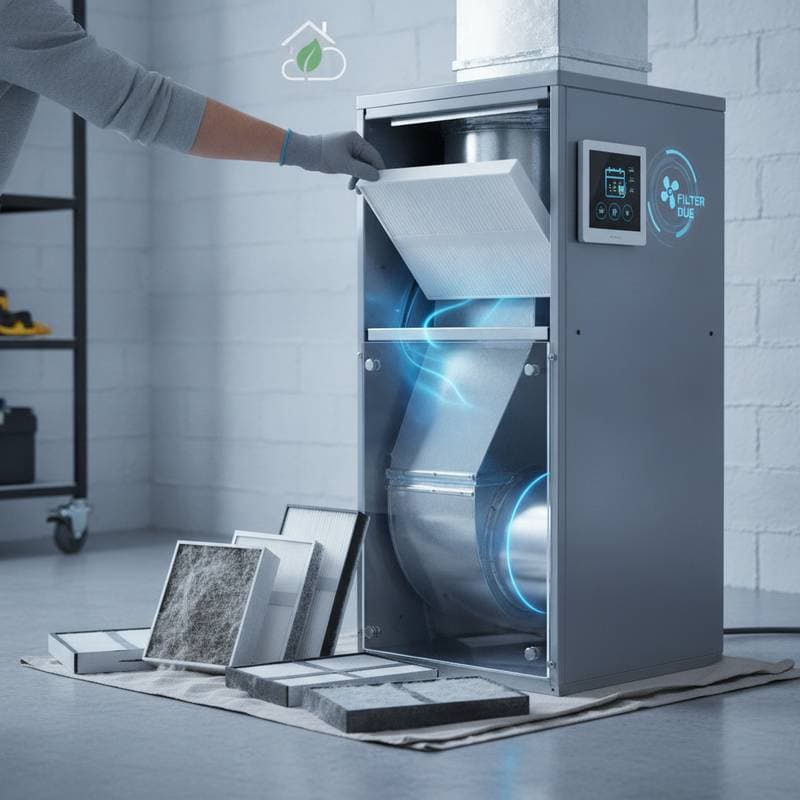
Ongoing Maintenance: Providers require evidence of routine upkeep, such as filter changes for HVAC-integrated sensors, to approve claims and avoid denial.
Advantages of Opting for Smart Device Add-Ons
Progressive warranty providers introduce specialized add-ons for smart home ecosystems, encompassing thermostats, security cameras, and environmental sensors. These extensions prove beneficial for households dependent on air quality monitoring.
Key benefits encompass:
-
Streamlined Service Process: A single provider manages repairs across both conventional and intelligent systems, reducing coordination efforts.
-
Budget-Friendly Predictability: Fixed service call fees, often ranging from 75 to 125 dollars per incident, simplify financial planning compared to full out-of-pocket payments.
-
Enhanced Reliability: Coverage addresses abrupt failures in compact devices, minimizing disruptions to daily routines and health monitoring.
To identify suitable plans, review policy documents for terms like "smart sensors," "air quality monitors," or "connected environmental controls," which indicate potential inclusion.
Out-of-Pocket Costs Without Warranty Protection
Absence of coverage leaves homeowners responsible for full repair or replacement expenses, which vary by device complexity and installation needs. Basic replacements start at modest levels, while advanced models demand higher investments.
Common cost breakdowns include:
-
Simple Sensor Modules: 40 to 100 dollars for parts and basic labor.
-
Advanced Multi-Function Units: 150 to 400 dollars, covering integrated sensors for multiple pollutants.
-
Integrated System Upgrades: 100 to 300 dollars for professional calibration and wiring into existing HVAC setups.
The following table illustrates a comparison to help evaluate coverage value:
| Device Type | Average Out-of-Pocket Cost | Typical Warranty Service Fee |
|---|---|---|
| Basic Portable Monitor | 40-100 dollars | 75-100 dollars |
| Smart Multi-Sensor Unit | 150-400 dollars | 100-125 dollars |
| HVAC-Integrated Sensor | 100-300 dollars | 75-125 dollars |
This overview underscores how warranties offset expenses, particularly for frequent or high-value claims.
Real-World Experiences and Expert Perspectives
Discussions in homeowner communities reveal varied outcomes: successful claims often involve deeply integrated sensors tied to HVAC performance, whereas portable devices face consistent rejections. Industry professionals emphasize that connection to primary systems determines approval, advising detailed policy reviews before purchase.
Device manufacturers typically offer their own warranties, spanning one to three years and focusing on manufacturing defects rather than operational wear. Layering this with a home warranty provides comprehensive safeguards, though homeowners must navigate potential overlaps by filing claims sequentially and retaining all records.
Steps to Secure Coverage for Your Air Monitors
Assess your air monitor's specifications, including model details and installation method, to determine integration status. Examine your existing warranty policy for smart device provisions, and initiate a direct inquiry with the provider to obtain written confirmation on coverage.
If exclusions apply, explore upgrades to smart home riders or extended manufacturer protections tailored to environmental tech. Proactive steps like annual professional inspections further strengthen claims and sustain optimal indoor air quality for long-term health benefits.