What Homeowners Really Pay for Sewer Replacement
When a sewer line fails, the problem rarely stays hidden for long. Slow drains, gurgling toilets, and soggy patches in the yard serve as early warnings of underground issues. For homeowners, sewer replacement ranks among the most substantial plumbing expenses. Grasping the elements that determine costs enables better budgeting, selection of appropriate methods, and avoidance of excess charges.
The Real Cost Range of Sewer Replacement
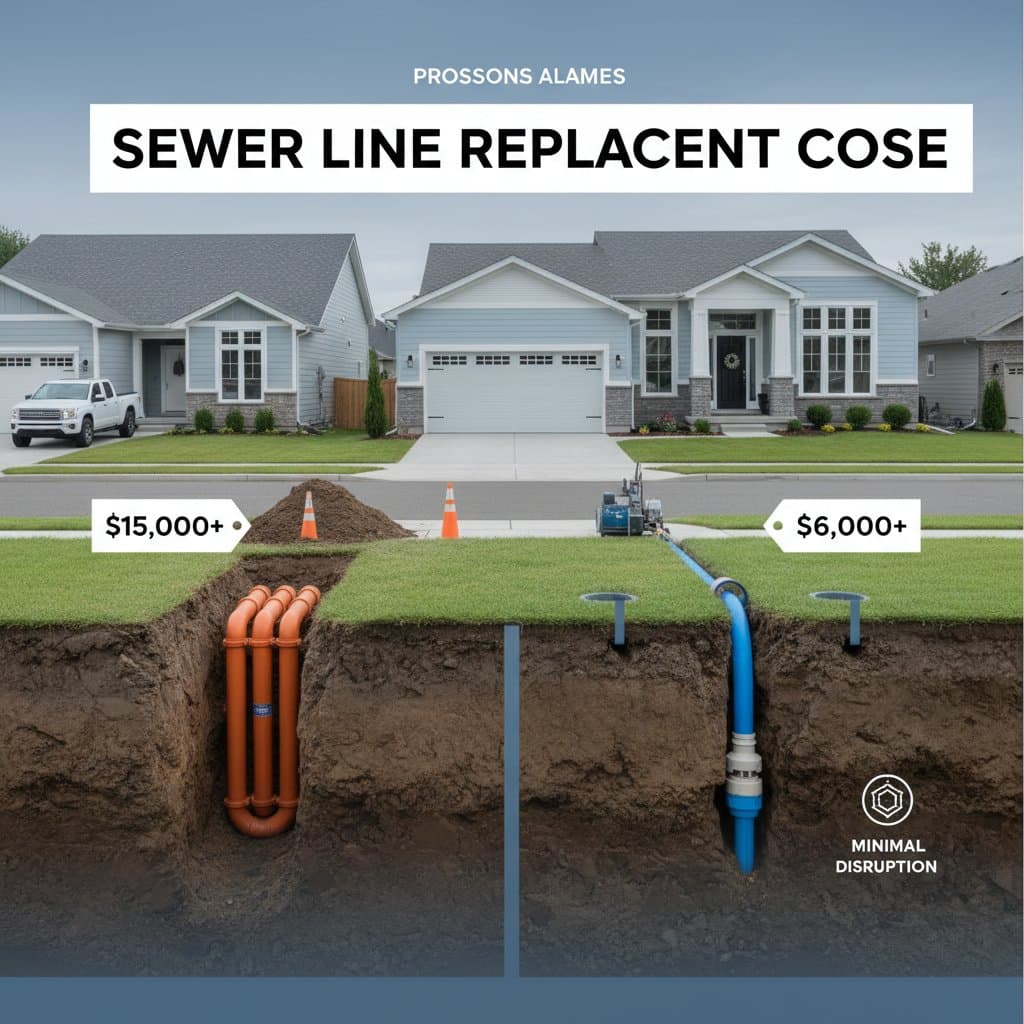
Homeowners typically face expenses between six thousand and fifteen thousand dollars for a complete sewer line replacement. This range varies based on pipe length, chosen materials, repair technique, and site accessibility. In urban settings or established neighborhoods with extensive trees and landscaping, prices tend to rise.
Excavation often accounts for nearly half the total cost, according to discussions among plumbers on professional forums. If digging affects yards or driveways, restoration for paving, sod, or concrete adds further expenses.
Factors That Influence Price
-
Pipe Length and Depth
Pipes that run longer or sit deeper demand increased labor and specialized equipment. A brief ten-foot segment might incur around three thousand dollars, whereas a line spanning a spacious property could multiply that figure twofold or more. -
Soil Conditions and Access
Challenging soils like rock, confined areas, or restricted equipment entry extend labor duration and raise rental fees. Properties with slim side yards or barriers frequently necessitate hand excavation, which prolongs the work significantly. -
Permits and Local Codes
Municipal permits remain essential for sewer projects and range from a few hundred dollars. Certain areas mandate pre- and post-work inspections, which contribute to both timeline and overall outlay. -
Material Choice
PVC and ABS plastics stand out for their longevity and affordability in new setups. While clay and cast iron persist in aging structures, updating to contemporary alternatives wards off root penetration and rust over time.
Comparing Traditional and Trenchless Sewer Replacement
Traditional replacement requires trenching the full length of the pipe route. This approach proves dependable yet disturbs lawns, driveways, and plantings extensively. Complete digs span multiple days and incorporate restoration fees of one to three thousand dollars.
Trenchless sewer repair emerges as a favored option for numerous property owners. Technicians employ a minimal entry point to insert a pipe liner or draw a new pipe through the existing one. Techniques such as pipe bursting or cured-in-place lining generally fall between seven thousand and twelve thousand dollars. These options minimize surface repairs and shorten timelines, with experts noting reductions in disruption by as much as eighty percent.
Time and Difficulty Level
Standard replacements demand two to four days for completion. Trenchless approaches frequently conclude in one to two days. The task presents high difficulty for non-professionals, involving substantial machinery, exact alignments, and adherence to plumbing regulations. Homeowners benefit from engaging certified plumbers or sewer experts to ensure safety and regulatory compliance.
When to Repair Instead of Replace
For localized damage, targeted repairs suffice in many cases. Issues like cracks, slight root entry, or seal failures often resolve for one to three thousand dollars. Video inspections clarify the extent of problems and determine replacement necessity. Specialists advise full replacement if over forty percent of the line exhibits wear or if blockages recur after cleanings.
Preventing Future Issues
After installing a fresh sewer line, diligent upkeep prolongs its service for decades. Refrain from disposing wipes or fats through drains, arrange yearly video checks, and manage tree roots away from pipe areas. Adding clean-out access points along the primary line simplifies subsequent evaluations and cuts costs.
When to Call a Professional
Seek a licensed plumber upon observing sluggish drainage across fixtures, unpleasant smells by drains, or unexpected moist ground. Experts perform video scoping to identify problems prior to any digging. Obtain at least two estimates, confirm the contractor's bonding and insurance, and inquire about trenchless feasibility for the site.
Safeguarding Your Plumbing System Long-Term
Sewer line replacement disrupts daily life yet secures enduring plumbing integrity. Selecting optimal techniques and materials averts emergencies, upholds home worth, and mitigates risks of water damage expenses.