Home Warranty vs Insurance: What Truly Protects You
Owning a home provides comfort and stability. Unexpected costs arise, however, when a pipe bursts or an air conditioner fails. Homeowners often confuse home insurance with home warranty coverage. These two protections serve distinct purposes. Clear understanding of their differences enables informed decisions and avoids costly surprises.
Understanding Home Insurance
Home insurance protects against sudden, accidental events that damage the home or personal belongings. Examples include fires, theft, and storm damage. Coverage extends to structural elements such as walls, roofs, and foundations. It also includes personal items like furniture and electronics. Mortgage lenders typically require this insurance as a condition of the loan.
Standard policies feature three primary components:
- Dwelling Coverage: This rebuilds or repairs the home structure following covered damage.
- Personal Property Coverage: This reimburses losses or damage to belongings.
- Liability Protection: This handles legal or medical expenses if someone sustains injury on the property.
Annual premiums range from $800 to $2,500, influenced by location, coverage extent, and home value. Claims require payment of a deductible, often $500 to several thousand dollars. Home insurance proves vital for catastrophic events. It excludes, however, failures due to wear, tear, or aging.
What a Home Warranty Covers
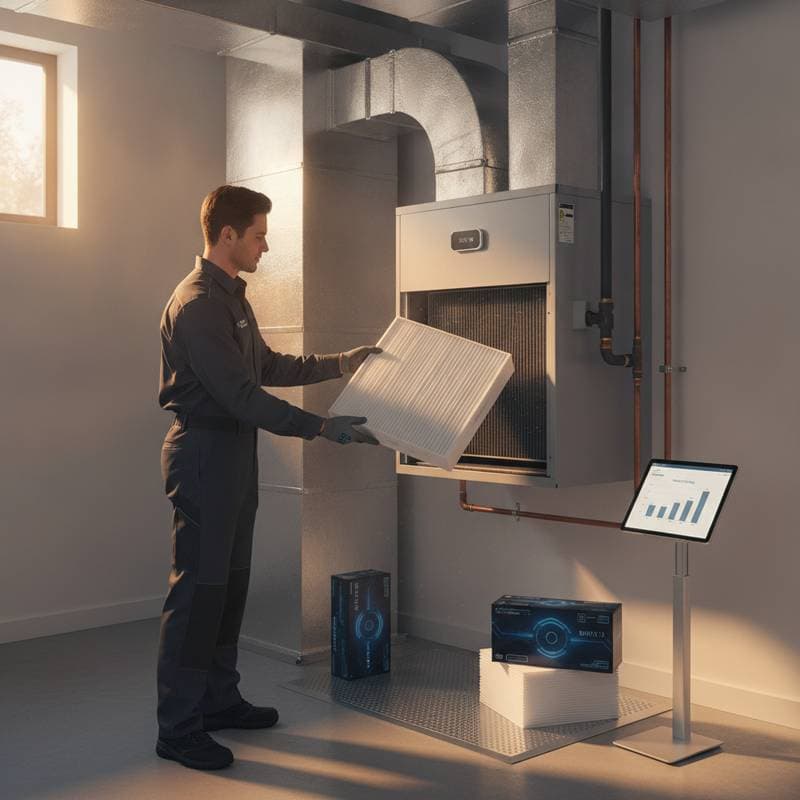
A home warranty functions as a service contract for repairs or replacements of household systems and appliances that fail from normal use. Covered items include air conditioning units, plumbing systems, water heaters, and kitchen appliances. Focus remains on mechanical functionality rather than structural integrity.
Annual plans cost $400 to $800, with service fees of $75 to $150 per visit. Upon appliance failure, contact the warranty provider. The company dispatches a technician for diagnosis. If the issue qualifies under the plan, the provider covers repair or replacement costs, less the service fee.
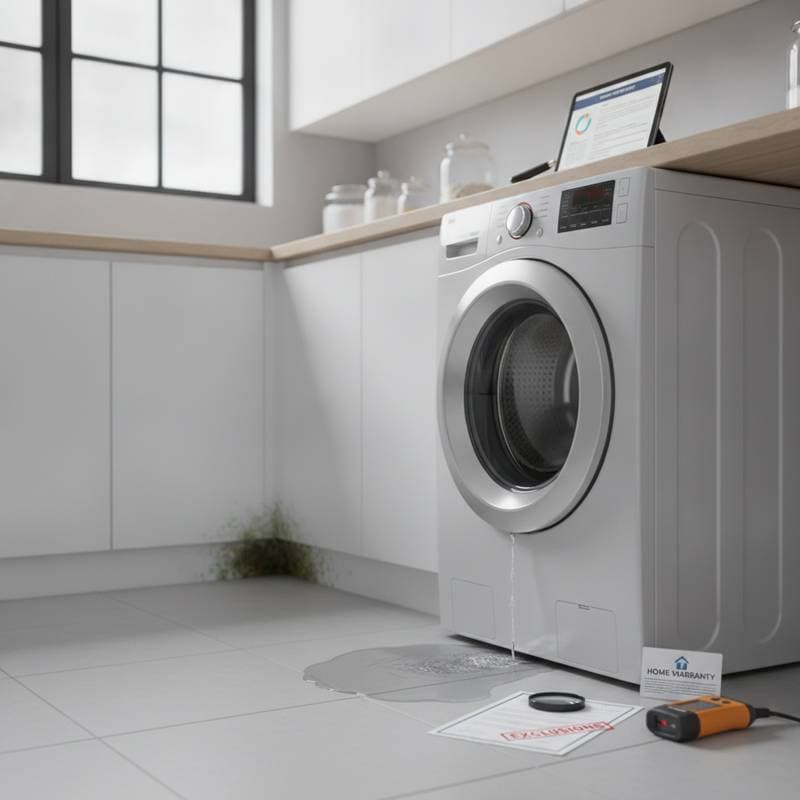
Contracts exclude pre-existing conditions or neglect-related damages. Review terms carefully, as providers vary in per-item coverage limits, typically $1,000 to $3,000. Select plans that align with specific home needs, such as extended coverage for high-end appliances.
Key Differences Between the Two
Both options provide financial protection for homeowners. Their scopes and objectives differ significantly.
- Type of Protection: Insurance addresses sudden events like fire or theft. Warranties manage breakdowns from routine wear on appliances and systems.
- Requirement: Lenders mandate insurance for mortgaged homes. Warranties remain optional.
- Claim Process: Insurance involves adjusters and detailed assessments. Warranties send technicians directly for service.
- Payouts: Insurance funds property rebuilding or replacement. Warranties handle functional equipment repairs or swaps.
These distinctions guide selection of appropriate coverage. Many homeowners pair both for comprehensive safeguarding.
When Each Makes Sense
Consider a home warranty for older properties where appliances show age. Repair costs for a central air system can exceed $4,000. A warranty offsets most expenses through fixed service fees. Homeowners with limited emergency funds appreciate this predictability over surprise bills.
Home insurance suits all property owners. Newer homes still risk storms, fires, or theft. Such incidents can result in losses far surpassing annual premiums. Absence of insurance endangers substantial investments.
Evaluate risks based on location. In flood-prone areas, add riders for specific perils. For warranties, prioritize plans covering frequent failures like heating systems in cold climates.
Combining Both for Full Protection
Pairing insurance and warranty creates a robust defense. Insurance safeguards structure and possessions. Warranty maintains essential systems for daily living. This combination minimizes disruptions from both disasters and routine failures.
Compare providers by examining reputation, response times, and coverage caps. Customer forums offer insights into claim handling. Independent reviews detail performance and satisfaction levels. Choose based on home specifics, such as appliance count or regional repair costs.
Steps to Secure Your Coverage
Review your existing insurance policy to spot coverage gaps. Assess the age and condition of major appliances; those over five years old warrant attention. Obtain quotes from multiple warranty providers to match budget and needs. Integrate both protections for complete peace of mind and financial security.