Smart Home Coverage: What Your Warranty Misses
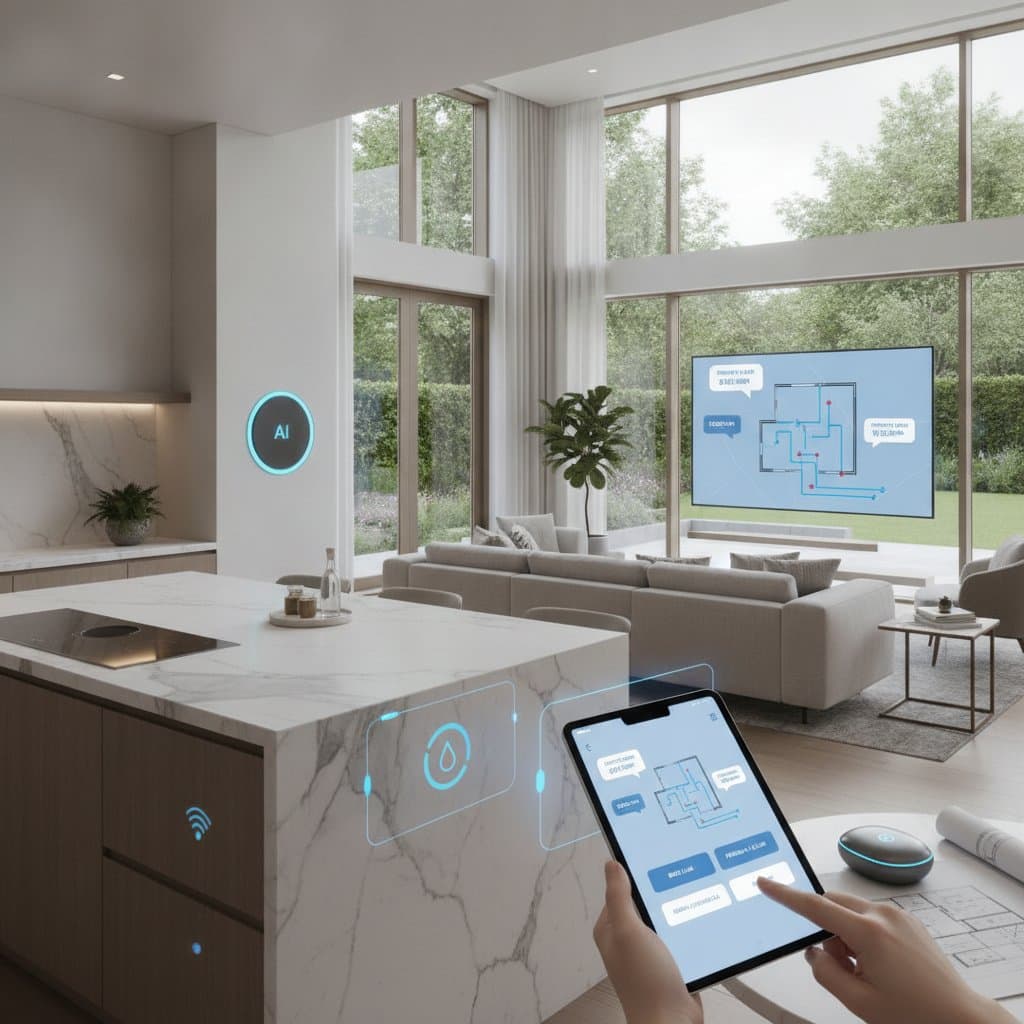
Smart homes deliver convenience, efficiency, and security through voice-controlled lighting, automated thermostats, and app-connected appliances. These features have transformed daily life for many homeowners. However, when issues arise, standard home warranties frequently fail to address the software and connectivity elements that power these systems. Traditional policies focus on mechanical components, leaving digital aspects vulnerable. Homeowners who grasp these limitations can sidestep unexpected expenses.
Why Smart Homes Challenge Traditional Warranties
Home warranties originated to handle mechanical or electrical breakdowns in systems such as HVAC units, plumbing fixtures, and major appliances. Smart devices integrate hardware with digital elements like Wi-Fi connectivity, sensors, and apps. This fusion introduces failure points beyond the scope of conventional coverage.
For instance, a thermostat might link to a mobile application, a refrigerator could monitor temperatures via embedded sensors, and a door lock may depend on remote access. According to insights from industry analyses, over 50 percent of homeowners with connected devices expect warranty support for software failures, yet claims often face rejection. Policies typically omit coverage for software errors, network disruptions, or update-related problems. They also exclude incidents tied to power surges or router malfunctions, which frequently disrupt smart home operations.
Common Smart Devices and Their Coverage Gaps
Smart home devices span multiple categories, each presenting unique risks for inadequate protection. The following examples highlight where warranties commonly fall short.
1. Smart Thermostats
These units optimize energy consumption and indoor comfort using sensors and smartphone applications. Manufacturer warranties might address hardware defects, such as a damaged relay or circuit board. Software malfunctions, firmware errors, or Wi-Fi disconnections remain uncovered. If an update causes the device to malfunction or it loses network access, expect to cover repair expenses independently.
2. Smart Appliances
Refrigerators, ovens, and washing machines equipped with smart features incorporate touch interfaces, cameras, and wireless capabilities. Home warranties could extend to mechanical elements like compressors or motors. Digital controls, however, such as a unresponsive screen or faulty app integration, fall outside protection. Homeowners must then bear the full cost of fixes.
3. Smart Security Systems
Devices like electronic locks, surveillance cameras, and alarm setups provide essential monitoring. Coverage may apply to physical components, including a jammed lock mechanism. Software failures, cloud-based storage issues, or app malfunctions receive no support. Providers often deny claims for systems installed without professional assistance.
4. Smart Lighting and Outlets
Voice-activated or app-managed lighting and power outlets occupy an ambiguous position in warranty terms. Policies might classify them as basic electrical items, covering bulb failures with replacements. Digital hubs or communication breakdowns with control apps escape inclusion. Resolution requires personal funding in such scenarios.
5. Smart Hubs and Voice Assistants
Central hubs and voice-enabled devices orchestrate automation across brands and protocols. Manufacturer policies could handle hardware breakdowns. Software incompatibilities, system crashes, or network glitches do not qualify for reimbursement. These elements demand separate attention from owners.
Why Software and Connectivity Are Hard to Insure
Software vulnerabilities prove difficult to predict and quantify. Firmware updates can introduce unforeseen errors, while manufacturers might cease support for legacy models. Connectivity challenges stem from routers, service providers, or widespread outages. Warranties prioritize tangible defects from normal usage, avoiding external or service-dependent factors.
Consider a scenario where a smart doorbell ceases video recording due to a cloud policy adjustment. A warranty claim would likely fail, as it involves no physical hardware issue. Such examples demonstrate how smart devices straddle the boundary between hardware products and ongoing services, complicating insurance.
The Hidden Cost of Unsupported Devices
Coverage exclusions force homeowners to finance repairs directly. Smart device components carry premium prices, and repairs often necessitate expert technicians. Replacing a motherboard in a networked refrigerator might exceed several hundred dollars, including labor.
Even minor fixes, such as resetting a smart lock, accumulate costs through diagnostics and service fees. Disruptions extend beyond finances, posing risks to security and comfort. An inoperative lock or disconnected camera heightens vulnerability, while a faulty thermostat disrupts climate control and efficiency.
How to Strengthen Smart Home Protection
Several practical measures allow homeowners to address warranty shortcomings. These include policy reviews, specialized plans, and maintenance routines.
1. Review Your Existing Warranty in Detail
Examine policy documents closely for inclusions and exclusions, particularly regarding electronics, software, and networks. Absence of smart device mentions signals limited coverage. Reach out to your provider for clarification on specific terms.
2. Consider a Smart Device Protection Plan
Extended plans from manufacturers or retailers target connected items, potentially covering firmware issues, app failures, or unintended damage. Though pricier, they offer comprehensive safeguards for intricate systems.
3. Combine Warranty and Homeowners Insurance
Homeowners policies sometimes protect against surges or accidents impacting smart gear. Verify electronic equipment riders and explore add-ons for broader connected device inclusion.
4. Keep Devices Updated and Supported
Apply manufacturer updates promptly to patch bugs and security flaws. Monitor support status and plan upgrades for discontinued models to preempt failures.
5. Maintain Reliable Network Infrastructure
Invest in robust routers, surge safeguards, and encrypted networks. Ensure sufficient internet bandwidth supports cloud-reliant features.
6. Document Device Purchases and Installations
Retain purchase proofs, serial numbers, and setup details. This documentation streamlines claims by verifying ownership and upkeep.
7. Schedule Regular System Audits
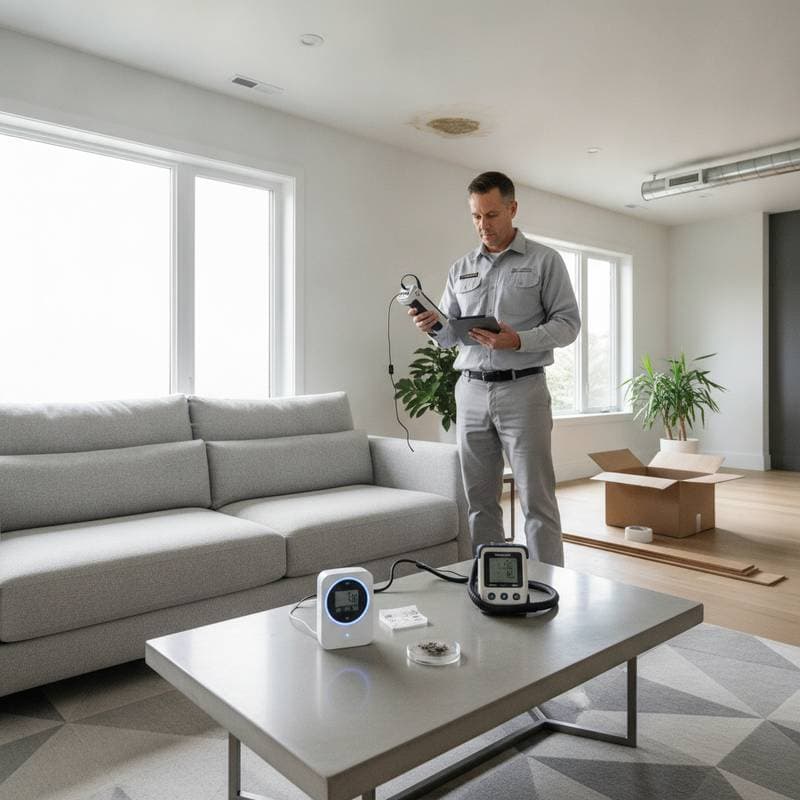
Engage certified technicians for periodic evaluations of device performance and integration. Annual checks can detect issues early, averting major breakdowns.
Comparing DIY and Professional Coverage Options
Homeowners must decide between self-managed protection and expert-assisted plans. Each method suits different needs and capabilities.
DIY Coverage Management
Self-handling provides customization, blending manufacturer terms, extensions, and insurance options. Tech-proficient individuals benefit from this autonomy in troubleshooting and policy oversight. Drawbacks include the effort to monitor multiple agreements and process claims.
Professional Warranty Management Services
Bundled offerings from service firms encompass traditional and smart coverage, managing repairs and records. This streamlines operations at a higher initial cost, ideal for extensive setups or rentals.
Data from home service platforms indicates that bundled users incur 30 percent lower repair expenses over two years versus independent approaches. Unified management minimizes oversights and accelerates resolutions.
Future of Smart Home Warranty Coverage
Warranty providers are evolving to accommodate digital advancements. Emerging options include add-ons for sensors, hubs, and networked appliances. Collaborations with device makers enable seamless hardware-software support.
Rising adoption of smart tech fuels these shifts, prompting insurers to prioritize digital aspects. Homeowners should anticipate gradual standardization while implementing interim safeguards.
Securing Long-Term Smart Home Reliability
Smart homes embody investments in enhanced living standards. Beyond basic warranties, assess support for each component, monitor policies, and supplement as required. Prioritize network stability and software freshness to minimize disruptions.
As technology advances, adapt protection accordingly. Whether through personal oversight or professional aid, the aim remains uninterrupted functionality and cost control. Informed planning ensures sustained enjoyment of smart home advantages.