Home Warranty vs Insurance: Which Shields Your Home?
When an issue arises in the home, homeowners often wonder who bears the financial responsibility. This uncertainty frequently blurs the lines between a home warranty and homeowners insurance. Although both provide safeguards, they address distinct categories of risks. A clear grasp of their functions enables individuals to sidestep unexpected expenses and select appropriate protection for their residence.
The Core Difference
A home warranty safeguards the home's systems and appliances against failures stemming from normal wear and tear. In contrast, homeowners insurance addresses structural damage and losses resulting from unforeseen incidents such as fires, theft, or extreme weather. The former targets mechanical breakdowns, whereas the latter concentrates on harm from accidents or natural occurrences.
Consider this distinction: if the water heater fails due to age, a home warranty typically covers the repair or replacement. However, if a fallen tree pierces the roof, homeowners insurance manages the structural restoration. These protections complement one another but serve separate purposes.
What a Home Warranty Covers
A home warranty functions as a service agreement that handles repairs or replacements for essential systems and appliances that malfunction from routine operation. Standard inclusions encompass:
- Heating and cooling systems
- Water heaters
- Electrical and plumbing systems
- Kitchen appliances, including ovens, dishwashers, and refrigerators
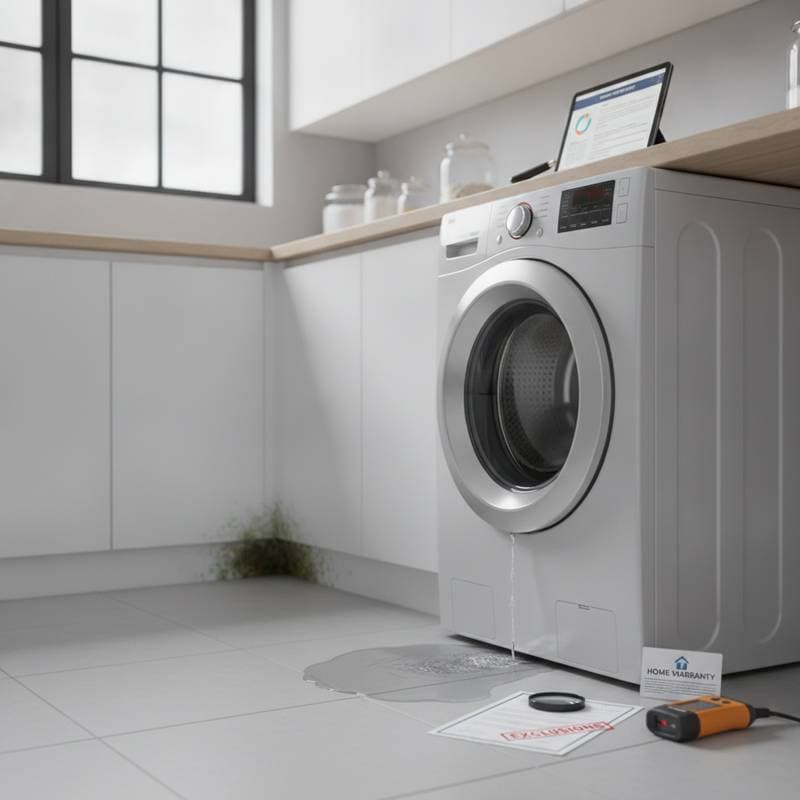
- Laundry appliances, such as washers and dryers
Plan specifics vary by provider. Certain companies permit customization, allowing additions for features like pools, spas, or septic systems. Homeowners frequently offset hundreds of dollars annually in repair costs through such coverage, particularly for recurring appliance issues.
What Homeowners Insurance Covers
Homeowners insurance defends the residence and its contents against abrupt, accidental, or external perils. It also extends liability coverage for injuries occurring on the property. Common protections include:
- Damage to the home structure and attached elements like garages or sheds
- Losses to personal belongings from theft, fire, or water events
- Reimbursement for alternative living arrangements if the home becomes uninhabitable following a covered peril
- Liability for injuries sustained by others or damage to their property
This insurance excludes deterioration from age or mechanical faults. For instance, a roof leak caused by worn shingles requires out-of-pocket payment. Yet, if hail inflicts the damage, the policy intervenes.
Cost Comparison
Home warranty expenses remain consistent, with annual premiums typically spanning a few hundred dollars, supplemented by a fixed service fee per repair call. Homeowners insurance premiums fluctuate according to factors like property value, geographic location, and hazards such as crime levels or flood risks. Claims under insurance often involve deductibles that climb into the thousands.
Homeowners in online discussions frequently highlight the appeal of warranties' stable pricing for predictable maintenance, paired with insurance's reassurance against catastrophic events. Recognizing the appropriate application of each prevents misuse and optimizes financial planning.
When to Use a Home Warranty
Opt for a home warranty in homes of advanced age or with outdated appliances, as it controls unpredictable repair expenditures. The cost of replacing an HVAC system, for example, can exceed several thousand dollars; a warranty might limit this to a service fee plus covered replacement, subject to policy terms.
New property owners commonly secure warranties during the initial year post-purchase. This timeframe often uncovers concealed defects overlooked in inspections. Experts advise first-time buyers to adopt this strategy, especially if emergency funds for major fixes remain limited.
When to Rely on Homeowners Insurance
Homeowners insurance proves indispensable for shielding the primary asset from erratic hazards. Lenders mandate it for mortgaged properties. The policy encompasses reconstruction expenses, compensation for lost possessions, and defense against legal claims arising from on-site incidents.
Even outright owners benefit from maintaining coverage. A single severe event, such as a blaze or tempest, could erase substantial equity without it. Additional options like umbrella policies extend liability safeguards beyond basic thresholds.
How They Work Together
Pairing a home warranty with homeowners insurance yields comprehensive defense. The warranty manages degradation from daily use, while insurance counters sudden calamities. For instance, a lightning-induced power surge ruining a refrigerator falls under insurance, but age-related cooling failure activates the warranty.
Maximize effectiveness by scrutinizing policy details. Warranty issuers may demand proof of routine upkeep, and insurers could reject claims tied to negligence. Maintaining detailed records of services facilitates smoother claim resolutions.
Choosing the Right Plan
Begin the selection process by inventorying the home's key systems and appliances, documenting their ages, states, and repair histories. Evaluate plans according to coverage scopes, exclusions, and fees. Providers such as American Home Shield or Choice Home Warranty present graduated options to align expenses with protection levels.
Pose these inquiries prior to commitment:
- What comprises the yearly premium and per-visit service charge?
- Do limits apply to repair expenses or replacement amounts?
- Can the policyholder select preferred contractors?
- Are prior conditions barred from coverage?
- What is the typical claims processing duration?
For insurance, scrutinize limits and deductibles, favoring replacement cost over actual cash value to bypass depreciation adjustments. Consult reviews from sources like the Better Business Bureau or Consumer Affairs to gauge service quality.
Common Misunderstandings
Homeowners often assume warranties and insurance duplicate efforts, yet overlaps prove minimal. Insurance excludes appliance repairs, and warranties omit fire or theft repercussions. Plans also sidestep cosmetic harms or user errors.
Expectations of swift replacements seldom align with practice; providers prioritize repairs. Replacement occurs only if parts prove scarce or repairs unfeasible per technician assessment.
Preventing Future Issues
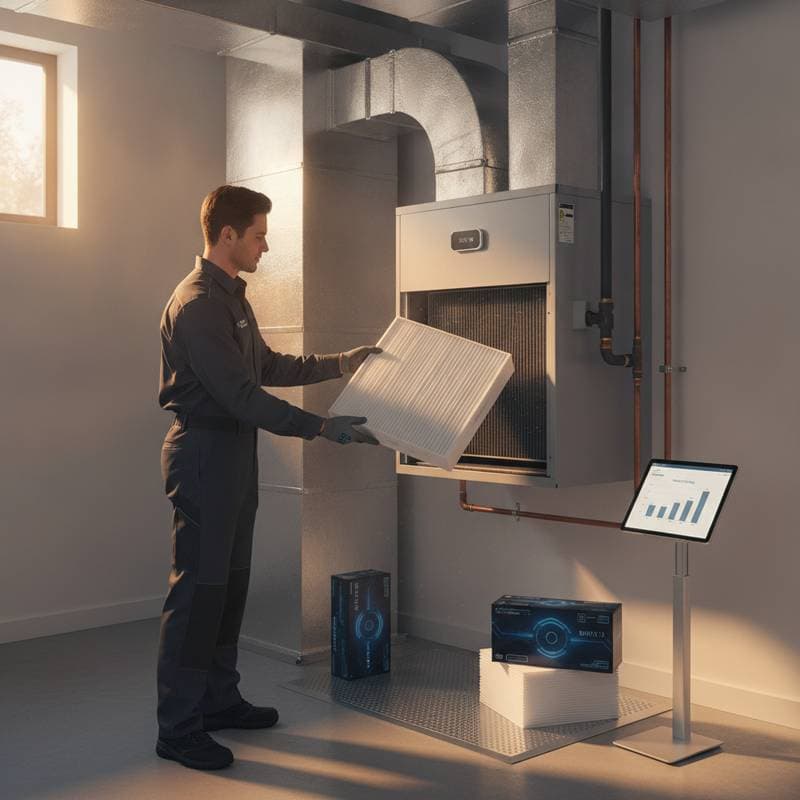
Protection plans enhance security, yet proactive maintenance forms the strongest barrier. Routine care prolongs equipment longevity, upholds warranty validity, and minimizes insurance filings. Tasks like replacing HVAC filters, draining water heaters, and inspecting plumbing seals prevent many disruptions.
Schedule periodic evaluations with agents and providers to identify coverage shortcomings. Adjustments as the home matures ensure sustained adequacy.
Aligning Coverage with Home Needs
Integrating a home warranty and homeowners insurance establishes robust safeguards. The warranty addresses incremental mechanical declines, while insurance fortifies against devastating incidents that imperil finances. This duo supports serene homeownership through diverse threats.
Evaluate property age, repair budget tolerance, and hazard exposure to tailor selections. Such informed choices foster financial predictability and avert crises for newcomers and veterans alike.