Understanding Sewer Line Repair Costs and Warranty Options in 2025
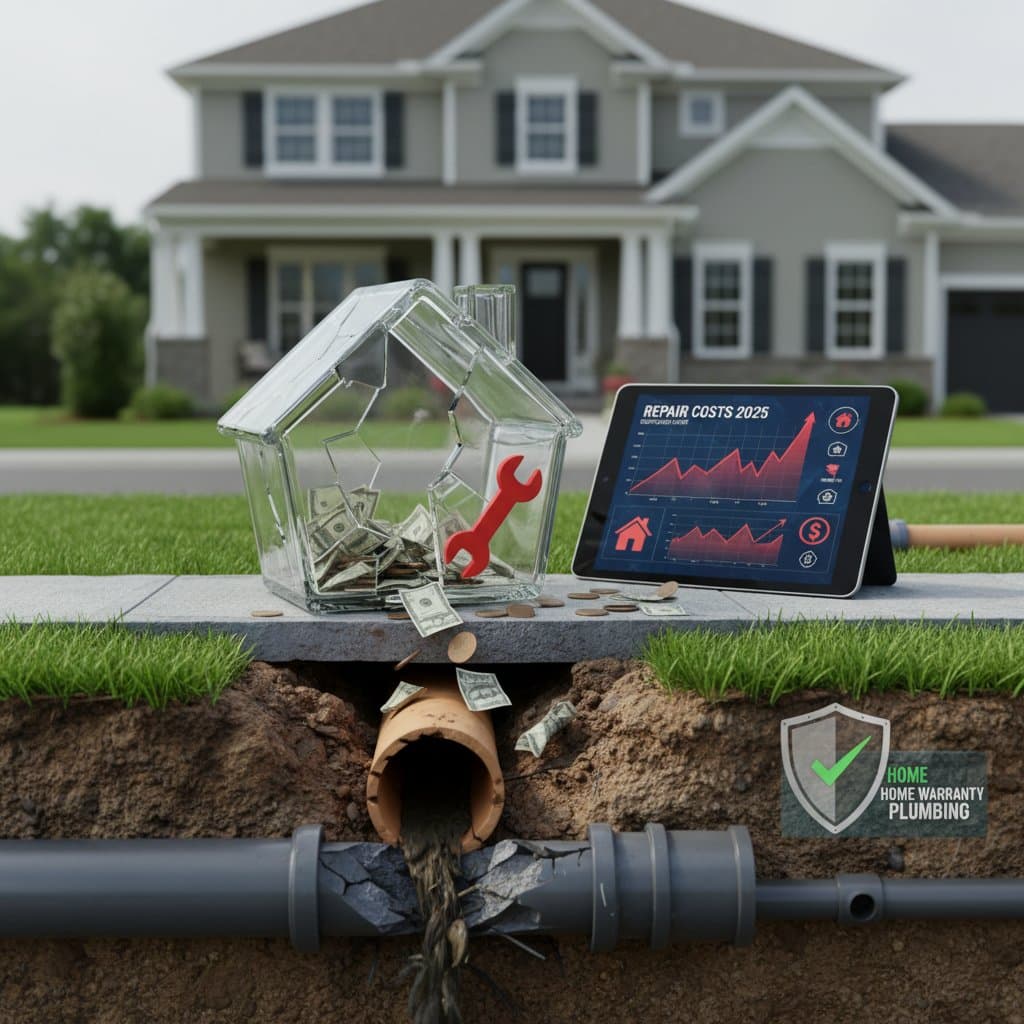
A sewer line failure represents one of the costliest challenges for homeowners. Expenses escalate with excavation needs, material selections, and skilled labor requirements. Standard home insurance policies frequently omit this coverage, leaving owners to bear the full burden. Sewer line warranties emerge as a vital solution, offering protection against these unforeseen expenses and ensuring long-term financial stability.
Factors Influencing Sewer Line Replacement Expenses
The price of repairing or replacing a sewer line varies based on multiple elements specific to each property. Line depth, length from the home to the municipal connection, and pipe composition play central roles. Properties with aging clay or cast iron pipes face accelerated degradation compared to modern PVC or HDPE alternatives. Tree root penetration often exacerbates issues, leading to fractures and obstructions that necessitate partial or complete overhauls.
Excavation constitutes the primary expense in many scenarios. Manual digging or machinery deployment elevates labor fees, particularly when disrupting driveways, gardens, or walkways demands subsequent restoration. Trenchless techniques, such as pipe bursting or internal lining, minimize surface disruption yet involve costs for advanced tools. Additional charges arise from diagnostic camera scopes, regulatory permits, and hazardous material disposal. These components combine to produce bills ranging from several thousand dollars.
Coverage Limitations in Standard Home Insurance Policies
Homeowners commonly presume that sewer backups or line collapses fall under routine insurance protection. In reality, most policies restrict coverage to abrupt interior incidents, like water from a ruptured pipe. Exterior sewer lines, positioned beyond the foundation, remain the owner's domain. Absent an add-on endorsement for sewer and drain backups, individuals must cover all associated costs.
Sewer line warranty programs fill this void effectively. These services protect the conduit linking the residence to the public sewer system, encompassing repairs or total replacements. A thorough grasp of their provisions prevents duplicate expenditures during crises.
Scope of Coverage in Sewer Line Warranties
Standard warranties address deterioration from age, rust, or obstructions due to sediment and root growth. Providers compensate for plumber services, replacement parts, and occasionally digging operations. Certain policies extend to internal piping and drainage systems, creating comprehensive safeguards.
Limits on payouts demand careful review. Policies may impose per-incident caps or yearly totals. Exclusions typically apply to prior damage or flawed initial setups. Verification of interior versus exterior line inclusion proves crucial, as basic options might focus solely on one area.
Evaluating Leading Warranty Providers
National entities deliver sewer line warranties through utility partnerships or standalone operations. Utility-linked options integrate into water or electricity statements for ease, though they may offer narrower protections. Standalone firms like HomeServe and American Home Shield provide expansive packages that incorporate plumbing, electrical, or additional home elements.
Selection hinges on geographic and property specifics. Residences near mature trees require root-related provisions. Structures with legacy clay infrastructure benefit from corrosion and full-replacement emphases. Scrutinize deductibles, activation delays, and claim procedures prior to commitment. Insights from homeowner discussions on platforms like Reddit or Facebook groups illuminate real-world claim experiences.
Weighing DIY Approaches Against Professional Services
Superficial blockages tempt homeowners toward over-the-counter cleaners or rented tools. Harsh substances, however, accelerate pipe erosion over time. Experts employ endoscopic cameras for precise issue identification, averting excessive disruption.
Initial savings from self-repairs often prove illusory, as errors precipitate larger failures. Persistent yard dampness or sewage scents signal the need for specialist involvement. A licensed plumber's observation from an online home repair community captures this: "Ninety percent of the sewer jobs I am called to fix started as a quick DIY attempt that made the problem worse." Early professional assessments safeguard against escalation, particularly in vintage installations.
Cost Projections: Warranty Impact on Expenses
Absent warranty protection, owners shoulder fees for diagnostics, earthworks, piping, and site recovery. Complete replacements for extended lines in challenging locations exceed several thousand dollars. Surface repairs, such as turf or pavement reinstatement, further inflate totals.
Warranty activation shifts most burdens to the insurer post-deductible. Minor interventions yield notable reductions, with service calls limited to modest fees. This disparity positions warranties as strategic financial planning tools, mitigating the impact of rare but severe events.
Essential Inquiries Prior to Acquiring Warranty Coverage
Prospective buyers must pose targeted questions to secure suitable terms:
- What constitutes the per-claim payout ceiling? Caps may leave excess costs to the owner.
- Do pre-existing conditions qualify for reimbursement? Policies often bar issues predating enrollment.
- Does coverage encompass excavation and site restoration? Limited plans might fund only core plumbing work.
- Exists a delay before claim eligibility? Providers commonly enforce brief activation periods.
- Are both internal and external lines protected? Comprehensive options may necessitate bundled selections.
Detailed comparisons avert post-purchase regrets during actual needs.
Verifying Existing Sewer Line Safeguards
Certain local governments embed basic protections within utility offerings. Review billing statements for add-on charges related to sewer maintenance. Existing plans might restrict aid to segments up to property edges, with private portions remaining owner-funded. Clarifying jurisdictional boundaries averts emergency disputes.
Homeowners association members should examine collective fees for infrastructure inclusions. Some communities extend protections to shared sewer elements, reducing individual liabilities.
Proactive Strategies for Sewer Line Preservation
Warranties complement but do not replace diligent upkeep. Refrain from disposing of non-degradable items like wipes, fats, or bulky residues in drains, regardless of product assurances. Arrange periodic professional evaluations every three to five years for homes with dated piping. Backflow preventers installation counters flood-induced reversals.
Securing Long-Term Home Stability
Sewer line warranties transcend mere cost offsets; they deliver assurance and fiscal predictability for a critical infrastructure component. For those committed to enduring ownership, modest premiums shield against value erosion and major disruptions.