Solar Panels: Home Warranty Coverage Essentials
Solar energy systems are increasingly prevalent in residential areas. Homeowners often inquire about warranty protections for these investments. Such systems endure for decades, making comprehensive coverage vital to avoid substantial unforeseen expenses and secure ongoing energy benefits.
Key Types of Solar Warranties
Solar installations generally feature three primary warranty categories: product, performance, and workmanship. These address distinct aspects of the system and carry specific terms.
-
Product Warranty
This safeguards against material defects or manufacturing faults in the panels. Coverage applies to failures under standard operating conditions. Manufacturers typically provide protection for 10 to 25 years starting from the installation date. -
Performance Warranty
Solar panels gradually degrade in efficiency. This warranty assures a specified minimum energy output over time, often 80 to 90 percent of initial capacity after 25 years. Should output fall below the threshold, the manufacturer arranges repairs, replacements, or compensation. -
Workmanship Warranty
Provided by the installation company, this addresses errors in setup, such as inadequate wiring, mounting-induced roof damage, or integration faults. While manufacturers focus on component quality, installers guarantee proper assembly and functionality.
Integrating Home Warranties with Solar Protection
Standard home warranties cover appliances and systems like heating, ventilation, air conditioning, plumbing, and electrical components. Certain providers extend optional solar coverage to bridge limitations in manufacturer or installer warranties.
Solar inclusions in home warranties often encompass:
- Inverter repairs or replacements due to typical wear and tear.
- Temporary panel removal and reinstallation during necessary roof maintenance.
- Diagnostic and repair labor expenses.
- Basic protection for interconnecting wiring and monitoring devices.
This supplemental coverage shields against costs outside primary warranties, enhancing overall system reliability.
Exclusions and Coverage Boundaries
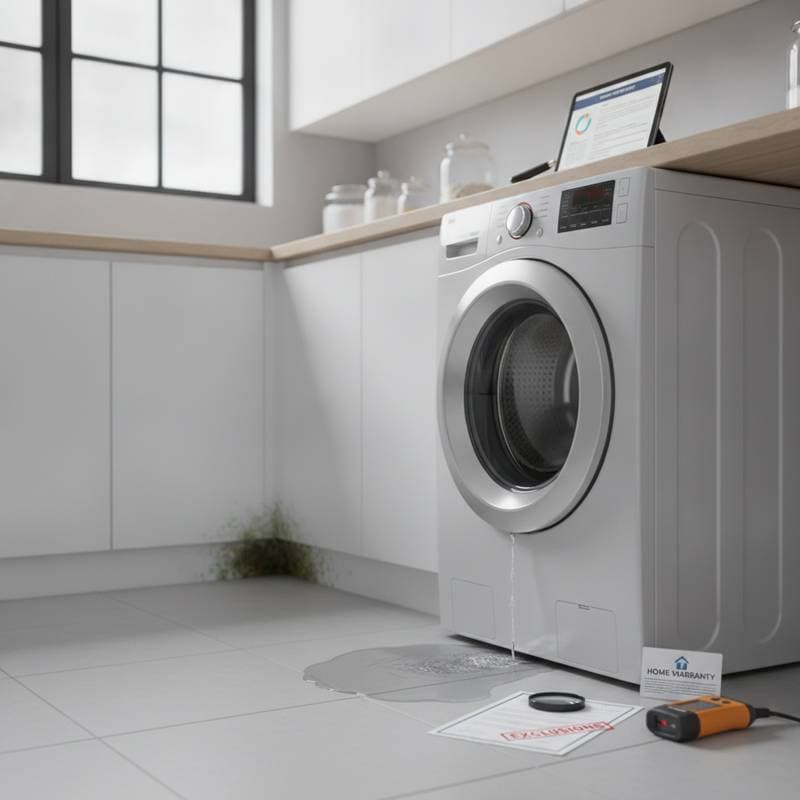
Warranties exclude certain scenarios to manage provider risks. Awareness of these limitations prevents surprises during claims.
Common exclusions involve:
- Damage from severe weather, fires, or impacts like falling branches.
- Failures resulting from inadequate upkeep or non-approved modifications.
- Reduced performance due to obstructions, accumulated grime, or site-specific conditions.
- Disruptions from power grid failures or utility errors.
Professional installation by certified experts remains a prerequisite. Self-installed systems risk complete warranty invalidation, regardless of component quality.
Maintenance Practices to Uphold Warranty Validity
Solar panels demand little upkeep, yet oversight can jeopardize claims. Providers may reject coverage if neglect contributes to malfunctions.
Homeowners maintain eligibility by:
- Scheduling periodic cleanings to eliminate dust, pollen, or bird droppings.
- Assessing and trimming vegetation to minimize shading.
- Examining connections for wear, corrosion, or loosening.
- Reviewing production data via inverter displays or dedicated applications.
Maintain a record of these activities, including dates and observations, to support potential claims effectively.
Weighing Self-Help Fixes Against Expert Intervention
System glitches prompt urges for independent solutions. However, warranties mandate certified professionals for most interventions to avoid nullification.
Acceptable self-tasks include surface cleaning or circuit resets. Structural or electrical concerns necessitate licensed specialists to:
- Adhere to regional safety and construction regulations.
- Safeguard ongoing warranty protections.
- Accurately identify and resolve intricate problems.
Installers frequently collaborate with warranty administrators, expediting professional resolutions while prioritizing safety.
Financial Aspects of Warranty Planning
Warranties mitigate expenses over time, though some costs persist. Certain policies cover components exclusively, assigning labor to the owner. Service fees for visits add further considerations.
Evaluate home warranty options with solar add-ons by clarifying:
- Per-visit service charges.
- Inclusion of labor and supply costs.
- Handling of installation-related roof issues.
- Post-manufacturer inverter replacement protocols.
Inverters commonly require mid-life updates, potentially costing thousands without coverage. Integrated home warranties substantially alleviate such burdens.
Assessing Transfer Options for Resale
Warranty portability affects property appeal during sales. Prospective buyers value transferable protections for solar assets.
Prior to marketing, verify transfer policies. Manufacturers may permit one complimentary shift or impose modest fees. Home warranty firms process transfers upon evidence of sustained maintenance.
Optimizing Warranty Utilization
Maximize benefits through deliberate steps:
- Register the installation promptly with manufacturers and installers.
- Review documentation thoroughly, noting filing timelines.
- Store invoices, reports, and records securely.
- Maintain installer communication for alerts or enhancements.
- Employ monitoring tools to identify deviations promptly.
Proactive management minimizes claim complications and sustains system performance.
Insights from Homeowners and Experts
Homeowner forums reveal frequent challenges with delayed responses and opaque procedures. Selecting installers with strong support networks proves crucial alongside technical specifications.
Trade analyses emphasize evaluating warranty scope over duration alone. Comprehensive shorter-term options often outperform extended but narrow protections in practical value.
Securing Enduring System Value
Robust warranties preserve solar investments and deliver consistent returns. Thorough comprehension of terms, diligent maintenance, and vetted providers ensure optimal efficiency and cost control.
View coverage as integral to total ownership expenses. Modest upfront investments avert significant future outlays, fostering sustained energy independence.