Do Home Warranties Cover Solar Panel Damage in 2025?
Homeowners who install solar panels frequently presume that a home warranty extends protection to the entire system. This assumption overlooks the nuances of coverage for solar installations. Factors such as warranty type, installation method, and damage origin dictate eligibility. Clear knowledge of these elements averts financial shocks and bolsters the longevity of renewable energy investments.
Understanding What a Home Warranty Covers
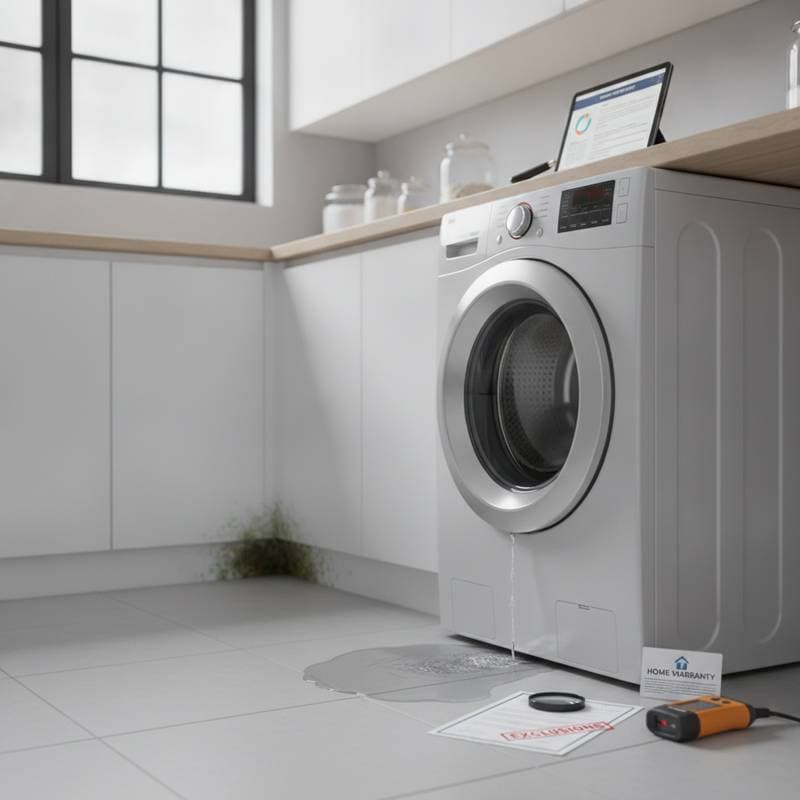
Standard home warranties target major home systems and appliances. Coverage encompasses HVAC units, plumbing fixtures, electrical setups, and kitchen devices. These plans function as service agreements that fund repairs or replacements for failures arising from typical wear.
Solar panels differ as specialized electrical features mounted on roofs or exteriors. Due to this classification, most providers omit solar systems from basic policies. Certain firms provide renewable energy add-ons, yet these differ significantly in scope and expense.
The Difference Between Home Warranty and Manufacturer Warranty
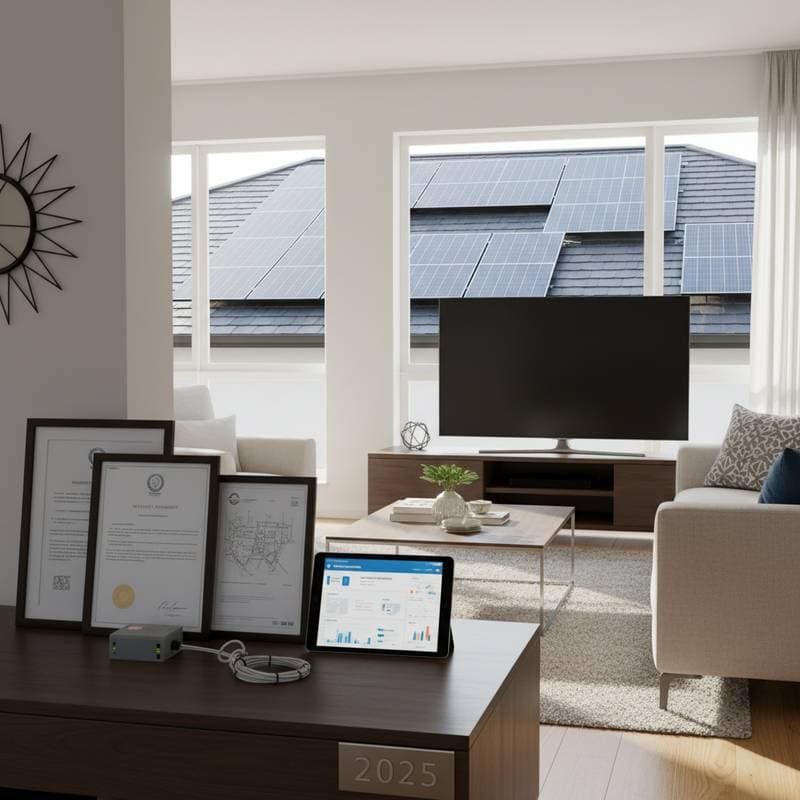
Solar panels typically feature two manufacturer warranties. The product warranty addresses material or craftsmanship flaws. The performance warranty assures specific energy production levels over extended periods. For instance, producers often warrant at least 80 percent output capacity after 25 years.
Manufacturer warranties stand apart from home warranties. They focus on the panels, excluding home-integrated components. A home warranty may address inverters or grid connections if the policy specifies solar inclusion. Manufacturer coverage applies to defects, while home warranties handle integration-related failures.
Common Situations That Affect Coverage
Various scenarios influence solar damage claims under home warranties.
1. Weather damage
Severe storms, hail, or debris can fracture panels or dislodge mounts. Home warranties generally exclude such perils, deferring to homeowners insurance. Submit claims to the insurer rather than the warranty provider.
2. Electrical issues
Power surges may damage inverters or wiring. Eligibility varies by policy wording. Inquire if the plan includes solar-specific electrical elements like inverters, monitors, or conduits.
3. Installation problems
Improper setup leads to leaks, reduced efficiency, or structural harm. Home warranties seldom cover these as workmanship faults fall to the installer's guarantee. Rely on the original contractor's warranty for such matters.
4. Wear and tear
Long-term use may cause inverter failure. Policies with solar provisions often fund repairs or replacements here. Review policy details to verify inclusion of solar parts.
What Home Warranty Add-ons for Solar Usually Include
Select providers offer solar-specific add-ons for an additional $100 to $300 annually. These extensions commonly protect:
- Inverter repairs or replacements from standard operation failures
- Monitoring devices, including smart meters and data communicators
- Wiring linking panels to the primary electrical panel
- Diagnostic service visits for system performance
Add-ons rarely encompass panels, given manufacturer protections. Emphasis falls on interconnecting and auxiliary parts beyond producer scope.
Comparing Home Warranty and Homeowners Insurance
Solar owners benefit from distinguishing home warranties from insurance. Insurance covers abrupt external damages from events like storms, fires, or vandalism. Warranties address gradual internal breakdowns from usage.
A fallen branch shattering panels triggers an insurance claim. An aging inverter prompts a warranty review, provided solar qualifies. Overlapping expectations lead to gaps; comprehensive defense layers warranties, insurance, and manufacturer terms.
Questions to Ask Before Buying a Home Warranty with Solar Coverage
Prior to committing to a plan, pose these inquiries to the provider:
- Does the base plan incorporate solar, or require an add-on?
- Which elements receive protection? Specify panels, inverters, wiring, and monitors.
- What payout caps exist per claim or annually?
- Do roof entries or resulting leaks qualify for coverage?
- What service charge applies per incident? Expect $75 to $125 ranges.
Secure written responses to fortify against future disagreements.
Real-World Example: When Coverage Works and When It Does Not
An Arizona resident recounted on Reddit how their eight-year-old inverter malfunctioned. The home warranty replaced it under the renewable energy electrical option, requiring only a $100 service fee.
In contrast, a hailstorm cracked panels for another owner, prompting warranty denial for weather causes. Homeowners insurance covered the loss after the deductible. Such cases underscore the need to examine all policies thoroughly.
Cost Considerations for Solar Repairs Without Coverage
Absent warranties, solar fixes prove costly. A single panel replacement spans $250 to $450. Inverter swaps range from $1,000 to $2,500 based on model and size. Diagnostic labor adds $100 to $200 hourly.
In high-sun regions, one repair might erase months of savings. Proactive coverage evaluation justifies the effort for substantial investments.
How to Protect Your Solar Investment
Safeguard the system through these steps:
- Register manufacturer warranties immediately post-installation.
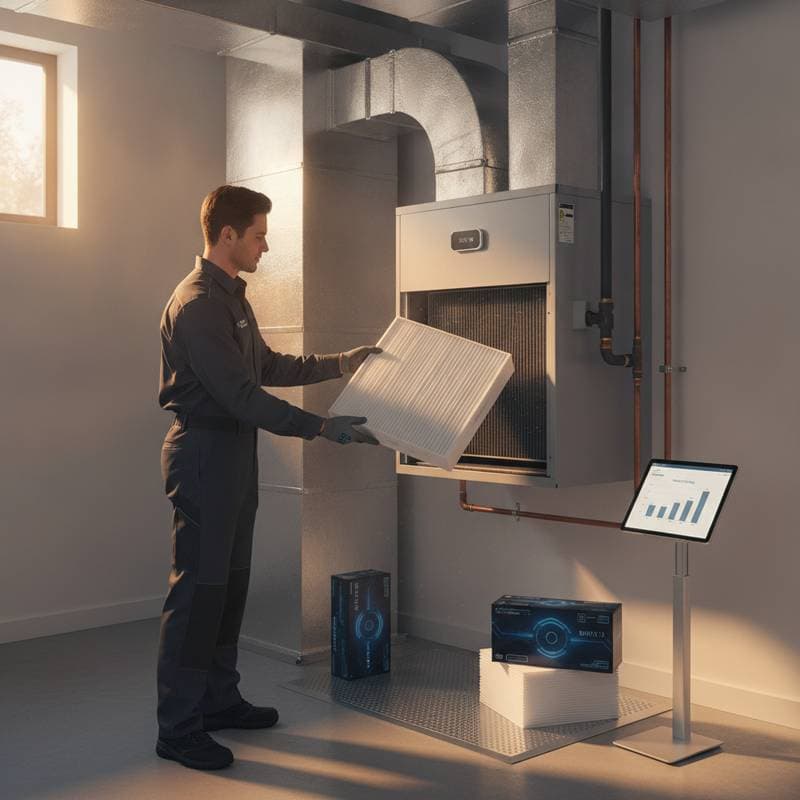
- Arrange yearly professional inspections for hardware, wiring, and inverters.
- Employ gentle cleaning methods or hire experts to prevent surface damage.
- Organize records of warranties, insurance, and upkeep for quick access.
Layering Protections for Long-Term Reliability
Home warranties supplement, rather than supplant, manufacturer and insurance safeguards. Optimal strategy combines them: defects via manufacturers, perils through insurance, and attrition with warranties.
When adopting solar or warranties, scrutinize provider approaches to renewables. Request contract samples, dissect exclusions, and obtain written coverage confirmations.