What Home Warranties Cover for Roof Leaks
A roof leak often escalates quickly from a minor issue to extensive damage. Water seeps into shingles, insulation, drywall, and structural elements. Homeowners frequently expect their home warranty to manage these problems, yet coverage for roof leaks proves more restricted than anticipated. Knowledge of covered items, exclusions, and effective use of the warranty preserves time, reduces frustration, and controls expenses.
The Role of a Home Warranty
A home warranty functions as a service contract for repairs or replacements of select systems and appliances due to normal wear and tear. This differs from homeowners insurance, which addresses sudden incidents such as storms or fires. Home warranties target mechanical or functional failures, and roof coverage appears as an optional add-on rather than a core component.
Providers like American Home Shield and Choice Home Warranty offer roof leak protection, though specifics differ across plans. Certain policies limit coverage to patching active leaks on designated roof types, while others cap claims at a predetermined amount per term. Homeowners must examine policy details to avoid presuming full roof replacement falls under the plan.
Typical Coverage for Roof Leaks
Home warranty roof coverage emphasizes minor leak repairs over comprehensive structural work. The primary aim involves halting the leak and averting additional water intrusion, without extending to upgrades or broad roofing replacements.
Standard covered elements include:
- Patching leaks in asphalt shingles, rolled roofing, or tile roofs
- Applying sealants around vents, flashing, and skylights
- Fixing small penetrations from routine wear
- Service call fees below the expense of independent roofing contractors
The warranty provider typically dispatches a vetted roofing specialist for evaluation. If the leak qualifies as wear-related, the specialist completes the repair within policy limits. Homeowners cover only the service fee, often a fixed amount based on the provider.
Frequent Exclusions in Roof Coverage
Home warranty roof leak provisions narrow in scope, leading to unexpected claim rejections. Denials commonly arise when the leak originates outside normal wear definitions. Policies generally omit:
- Damage from storms or wind
- Issues tied to clogged gutters or drainage systems
- Problems from faulty installation or prior repair flaws
- Leaks in flashing or skylights beyond standard roofing materials
- Coverage for flat or metal roofs in select plans
- Damage resulting from neglect or inadequate upkeep
For instance, a leak from wind-displaced shingles prompts denial, as weather damage aligns with homeowners insurance. Likewise, leaks from substandard installation trigger rejection, since the root cause involves craftsmanship rather than wear.
Steps in the Claims Process
Submitting a roof leak claim requires adherence to a defined sequence. Mastery of these steps minimizes delays and boosts approval chances.
- Detect the leak promptly. Contact the provider upon noticing water stains or drips, as delays worsen damage and risk denial.
- File the service request. Use online or phone options to submit, providing a clear description of the roof leak.
- Arrange the inspection. The provider assigns a contractor to evaluate the roof and verify eligibility under policy guidelines.
- Obtain the repair assessment. Upon approval, the contractor executes or schedules the fix, with the homeowner paying solely the service fee.
- Record the resolution. Retain service reports, photographs, and provider correspondence for support in subsequent claims or insurance matters.
Precise adherence to this sequence distinguishes efficient resolutions from problematic rejections.
Weighing DIY Approaches Against Warranty-Supported Repairs
Some homeowners tackle minor leaks independently, such as by sealing or replacing a shingle. Such efforts seem straightforward, but warranties mandate use of approved contractors to maintain validity. Self-repairs risk invalidating future claims in affected zones.
Warranty-facilitated professional repairs provide key benefits:
- Technicians familiar with policy requirements
- Workmanship guarantees for a defined duration post-repair
- Streamlined approvals through provider documentation
For immediate containment, apply roof tape or sealant to curb dripping temporarily. Reserve permanent solutions for the warranty procedure.
Evaluating Costs and Benefits of Roof Coverage
Roof leak add-ons add a reasonable monthly fee when integrated into a comprehensive home warranty. Value hinges on roof age and state. Newer roofs derive limited advantage, whereas aging ones secure substantial safeguards.
Forum discussions in home improvement communities highlight savings of several hundred dollars on leak fixes via warranties. Users also note irritations from denials linked to exclusions like installation errors. Coverage excels for everyday wear, not extensive structural concerns.
Key cost comparisons reveal:
- Uninsured repair averages: Several hundred dollars for patching or flashing work per incident.
- Warranty service fee: A consistent, reduced charge per claim.
- Yearly add-on premium: Often below one uninsured repair expense.
A single covered leak annually offsets the add-on cost readily.
Strategies to Avoid Claim Denials
Denials frequently stem from overlooked maintenance or policy misinterpretations. Mitigate risks through:
- Yearly inspections by licensed roofers.
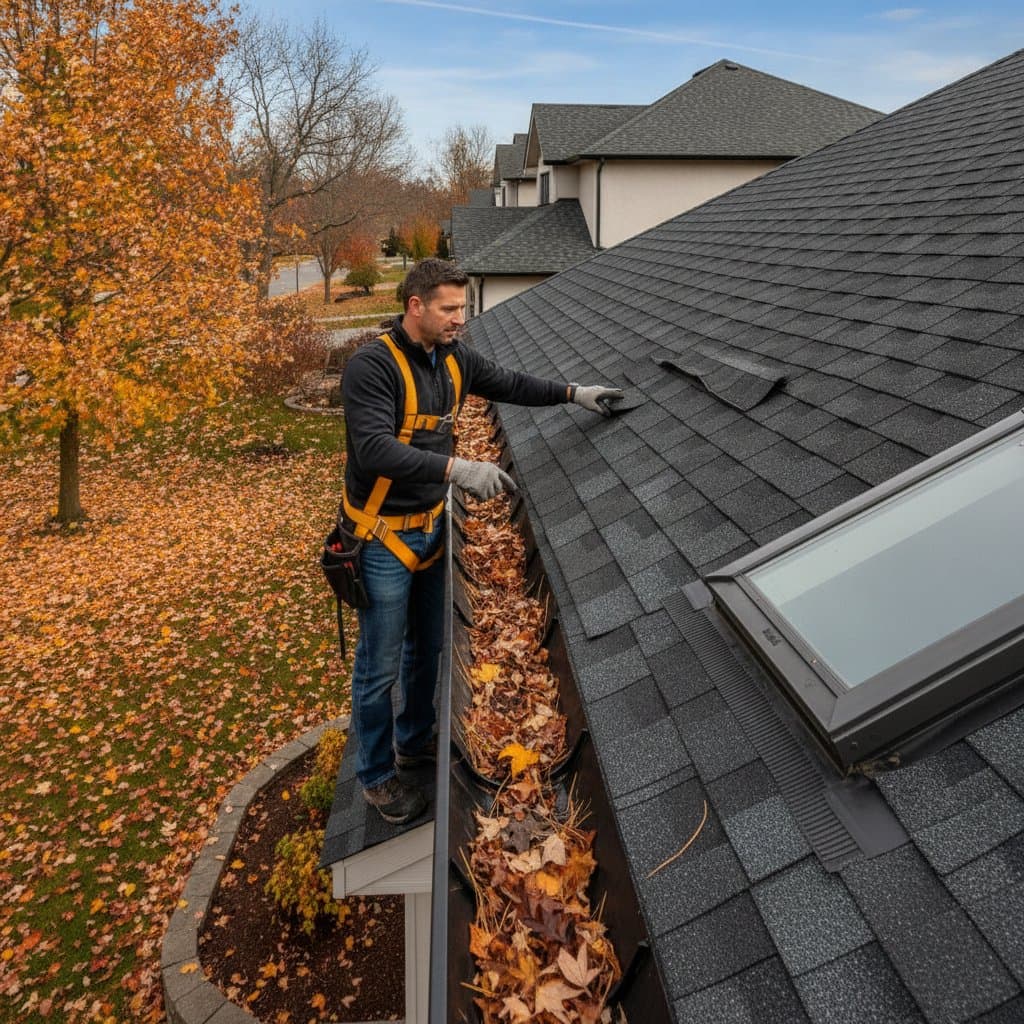
- Routine gutter cleaning to avoid water accumulation.
- Photographic and receipt documentation of past repairs.
- Policy review at each renewal to verify active roof provisions.
Providers demand evidence of proper maintenance. Inspection logs demonstrate leaks arise from wear, not oversight.
Coordinating with Homeowners Insurance
Home warranties and insurance policies support one another while targeting distinct needs. Insurance manages abrupt, external damages like hail, wind, or debris impacts. Warranties address gradual, wear-induced leaks.
Post-storm leaks warrant an insurance inquiry first. Aging shingle or vent sealant failures suit warranty claims. In ambiguity, consult both entities with precise cause descriptions.
Sustaining Roof Longevity
Roof coverage supplements, yet never substitutes, consistent maintenance. Optimal protection blends proactive measures with suitable policies. Clear gutters, examine flashing post-rain, and monitor attics for dampness seasonally.
Prospective policyholders should scrutinize roof terms: inclusion of flat roofs, patching caps, and claim documentation needs. Proper application of home warranties shields against leaks effectively. Proactive maintenance and meticulous records keep homes secure and dry.