Understanding Home Warranty Coverage for Solar Repairs
Homeowners invest in solar panels for dependable power and reduced utility bills. However, when components fail or efficiency declines, repair expenses can emerge abruptly. Many wonder if a home warranty extends to solar repairs; the response hinges on installation details, warranty provider, and selected coverage type.
Grasping the scope of home warranties for solar systems proves vital prior to entering any contract. This guide examines key elements of solar repair coverage, contrasts home warranties with manufacturer options, and evaluates scenarios where professional services justify their expense.
Key Types of Solar Warranties
Solar installations typically feature multiple warranty layers. Distinguishing these clarifies the role of a home warranty.
-
Manufacturer Warranty
This protection addresses defects in materials or workmanship for panels, inverters, and related hardware. Providers often guarantee a minimum power output percentage over a defined timeframe, such as 80% for 25 years. -
Installer Warranty
Installation firms commonly offer coverage for workmanship errors. This includes fixes for faulty mounting, wiring, or sealing, with some extending to roof leak prevention at mounting sites. -
Home Warranty Add-On
An add-on delivers service calls, labor, parts, and technician fees for issues like electrical faults, inverter breakdowns, or control system errors in covered components.
These warranties complement one another to minimize financial exposure. Misinterpretation, however, may result in uncovered costs for substantial repairs.
Influences on Solar Coverage Eligibility
Multiple elements determine if a home warranty applies to a solar problem.
System Ownership
Leased panels or those under a power purchase agreement shift warranty duties to the provider. Home warranty policies generally omit leased systems, as homeowners lack ownership rights.
Installation Standards
Providers often demand evidence of licensed professional installation. Self-installed systems typically disqualify coverage; retain all installation records and inspection certificates.
Upkeep Documentation
Consistent cleaning and checks preserve eligibility. Claims may face rejection if performance dips due to debris, shading, or inadequate maintenance.
Integration Complexity
Systems with battery storage or advanced monitoring may encounter coverage hurdles. Policies frequently exclude batteries, such as Tesla Powerwall units, unless explicitly included.
Scenarios for Self-Managed Repairs
Certain solar issues do not necessitate warranty involvement. Basic fixes, like reconnecting a monitoring cable or resetting a breaker, allow homeowners to act swiftly using provided manuals.
For systems within manufacturer or installer warranty periods, direct contact often yields complimentary repairs. Homeowners seeking repair flexibility might forgo home warranties and engage local specialists on demand. Maintenance subscriptions from solar firms provide annual checks and cleanings for a fixed annual rate.
Frequent Claim Rejections and Prevention Strategies
Common denials include:
- Substandard Installation: Absence of licensed professional involvement.
- Maintenance Oversights: Accumulated debris or skipped inspections.
- Unapproved Alterations: Battery additions or wiring changes without policy consent.
- Lapsed Overlapping Warranties: Ambiguity in responsibility post-manufacturer expiration.
Counter these by organizing receipts, reports, and maintenance photos. Register the system with manufacturers and warranty providers promptly to streamline claims.
Evaluating Costs and Benefits
Assess warranty choices by totaling annual premiums, deductibles, and potential repair outlays.
Home warranties featuring solar add-ons range from $600 to $900 yearly. For aging systems prone to inverter failures, a single approved claim often offsets the cost.
Newer installations under robust manufacturer protection derive less value from add-ons. Allocate funds annually for upkeep as an alternative, budgeting $200 to $300 for inspections and minor fixes.
Steps to Minimize Solar System Risks
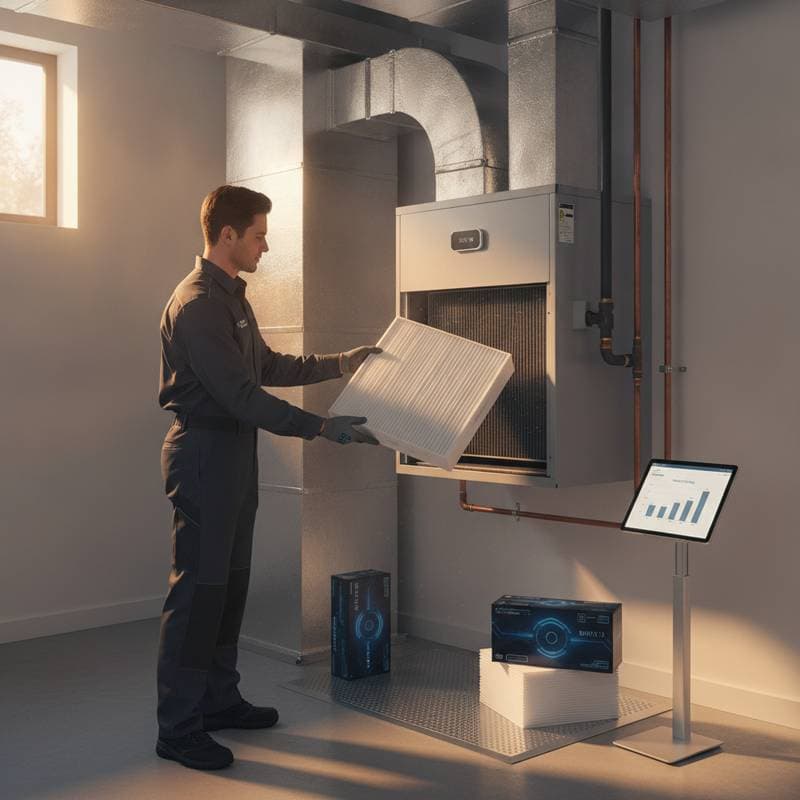
Annual professional inspections detect issues early. Technicians measure voltage, secure connections, and remove efficiency-robbing buildup.
Incorporate surge protectors and monitor roof conditions to shield against environmental damage. Log all upkeep efforts to demonstrate compliance during claims.
For systems with storage, adhere to charging protocols and ventilation standards. Batteries demand meticulous handling, as exclusions in home warranties amplify the need for proactive care.
Safeguarding Long-Term Solar Performance
Solar setups represent enduring investments that yield savings over decades with diligent oversight. A suitable home warranty provides reassurance, provided homeowners comprehend its parameters.
Prior to acquiring or extending coverage, audit existing manufacturer and installer protections, confirm policy specifics, and archive maintenance proof. These practices ensure repairs align with warranty terms, preserving both home functionality and solar efficiency for sustained clean energy benefits.