Understanding Sewer Backup Coverage in 2025 Home Warranties
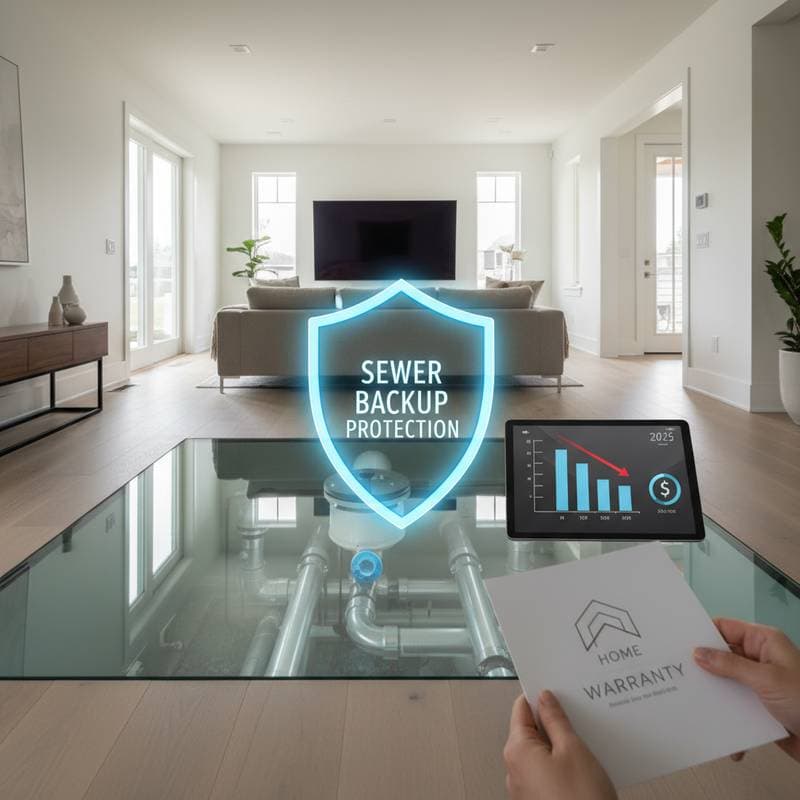
Homeowners often overlook sewer line problems until wastewater overflows into living spaces. Such incidents create immediate hazards and substantial expenses, typically beyond the scope of basic homeowners insurance. In 2025, home warranty providers have enhanced their offerings, making sewer backup coverage a popular option that addresses these vulnerabilities effectively.
This coverage protects against the financial impact of plumbing failures. By including it in your plan, you gain access to professional services that restore functionality quickly. The result is reduced stress and preserved property integrity during unexpected events.
The Impact of Sewer Backups on Homes
Sewer backups arise from factors like pipe corrosion, root penetration, or accumulated waste. Wastewater intrusion damages structural elements such as walls, floors, and personal belongings rapidly. Professional remediation, including disinfection, can exceed five thousand dollars in many cases.
Standard insurance policies frequently omit coverage for these events, classifying them as preventable or maintenance-related. Sewer line warranty coverage fills this void by handling line repairs and associated cleanup. Homeowners with this protection avoid out-of-pocket expenses that could strain budgets significantly.
Reports from online communities indicate that uncovered repairs average between five thousand and ten thousand dollars. In contrast, warranty holders typically pay only a modest service fee, demonstrating the coverage's tangible benefits.
Components of Sewer Backup Coverage
Coverage details vary by provider, yet core elements remain consistent across reputable plans. These include:
- Repair or replacement of sewer lines up to property limits.
- Handling of blockages from roots, grease, or debris.
- Cleanup and sanitization of contaminated indoor areas.
- Diagnostic services, such as camera inspections, to pinpoint issues.
- Reimbursement for emergency service calls.
Certain providers extend benefits to related components like sump pumps or drain lines. Companies such as American Home Shield and Select Home Warranty have broadened their plumbing options to respond to homeowner needs for thorough protection.
Primary Causes of Sewer Line Failures
Knowledge of backup triggers enables proactive measures. Key contributors include:
- Tree root intrusion. Roots grow toward water sources and fracture pipes over time.
- Aging infrastructure. Materials like clay or cast iron degrade, leading to collapses.
- Grease accumulation. Cooking fats harden in pipes, restricting flow.
- Stormwater overload. Intense rain strains public systems, forcing backups into residences.
- Inappropriate flushing. Non-degradable items like wipes create rapid obstructions.
Regular upkeep, including yearly cleanings and inspections, detects problems early and averts crises.
Home Warranties Versus Homeowners Insurance
Homeowners sometimes mix up these protections, but their roles differ clearly. Insurance addresses perils like fire or vandalism, excluding routine wear. Warranties target system failures from everyday operation, encompassing sewer issues tied to deterioration or clogs.
Insurance might assist with property restoration post-backup, yet it overlooks the sewer line itself. Integrating both ensures comprehensive safeguarding of causes and consequences.
Selecting Optimal 2025 Home Warranty Plans
Current plans offer customization to fit specific needs, with strong emphasis on plumbing safeguards. Top options feature sewer add-ons, prompt emergency responses, and inclusive terms.
Prioritize these aspects when evaluating providers:
- Precise coverage boundaries, from interior lines to full sewer mains.
- Transparent exclusions, verifying inclusion for roots, rust, and obstructions.
- Service fees between seventy-five and one hundred fifty dollars.
- Partnerships with licensed plumbers for reliable work.
- 24/7 support to limit damage escalation.
User experiences on discussion platforms highlight the value of annual preventive checks in these plans, which lower recurrence chances.
Financial Aspects and Potential Savings
Adding sewer backup coverage costs five to fifteen dollars monthly, scaled to home size. This modest premium offsets repairs that surpass several thousand dollars.
One documented example involved a Chicago resident who incurred a ninety-dollar fee for a replacement valued at over seven thousand dollars. Such outcomes underscore how warranties shield against fiscal disruptions.
Practical Steps for Backup Prevention
Coverage complements prevention efforts. Implement these routines to strengthen defenses:
- Arrange yearly sewer inspections with cameras to spot vulnerabilities.
- Discard grease in waste bins rather than drains.
- Fit backwater valves to block reverse flow in wet weather.
- Employ strainers to trap debris in sinks and tubs.
- Manage vegetation to keep roots distant from pipes.
These actions, alongside warranty benefits, fortify your home against plumbing threats.
Indicators Requiring Expert Intervention
Prompt recognition of warning signs prevents escalation. Watch for:
- Delayed drainage across several fixtures.
- Bubbling noises in plumbing outlets.
- Persistent sewage smells in low areas.
- Standing water near drains.
Engage a plumber or warranty service immediately upon detection. Swift action curbs further harm, such as mold proliferation or foundation compromise.
Strengthening Home Protection Through Coverage
Sewer backup coverage enhances warranty value by tackling high-cost repairs and upholding home worth. It delivers assurance that plumbing failures will not compromise finances.
Review your existing plan for this inclusion; add it if absent. Document upkeep records to support claims, ensuring smooth processing. Proactive planning today secures your residence against plumbing adversities tomorrow.