The Hidden Costs of Skipping Chimney Inspections in Fall
Homeowners often anticipate the warmth of a wood fire as temperatures drop. Fireplaces serve as inviting focal points during cooler months. However, each fire deposits residue within the chimney, and neglecting an annual inspection invites severe consequences. These include fire outbreaks, structural harm, smoke infiltration, and repair bills that eclipse the modest expense of professional service.
Essential Reasons for Chimney Inspections
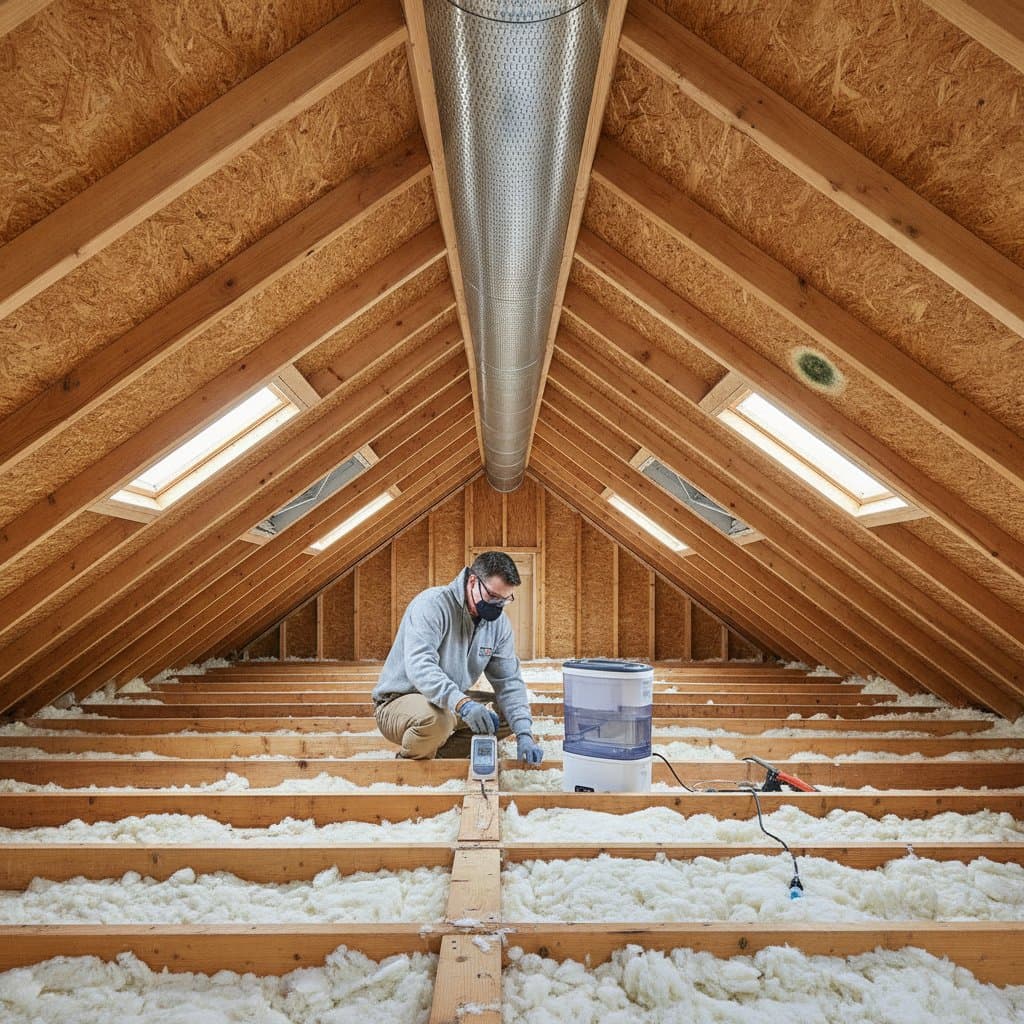
Chimney inspections extend beyond surface soot removal. They encompass a comprehensive review of the venting system that expels smoke, gases, and creosote from the residence. Trained inspectors examine cracks, obstructions, moisture intrusion, and degradation that might trigger backdrafts or ignitions. According to the Chimney Safety Institute of America, creosote accumulation—a viscous wood-burning residue—ignites at low temperatures and causes most chimney fires.
Even moderate fireplace use accumulates hazardous deposits over time. Without pre-season evaluation, igniting a fire in a flawed system endangers occupants. Inspectors also detect wildlife nests, unstable masonry, or absent caps that impede ventilation and redirect smoke indoors.
Financial Impact of Neglected Chimneys
Professional inspections cost between 100 and 300 dollars, varying by service depth. In contrast, a chimney fire incurs expenses from 10,000 to 30,000 dollars or more, accounting for structural fixes, smoke remediation, and deductibles. Minor incidents still displace families during restoration.
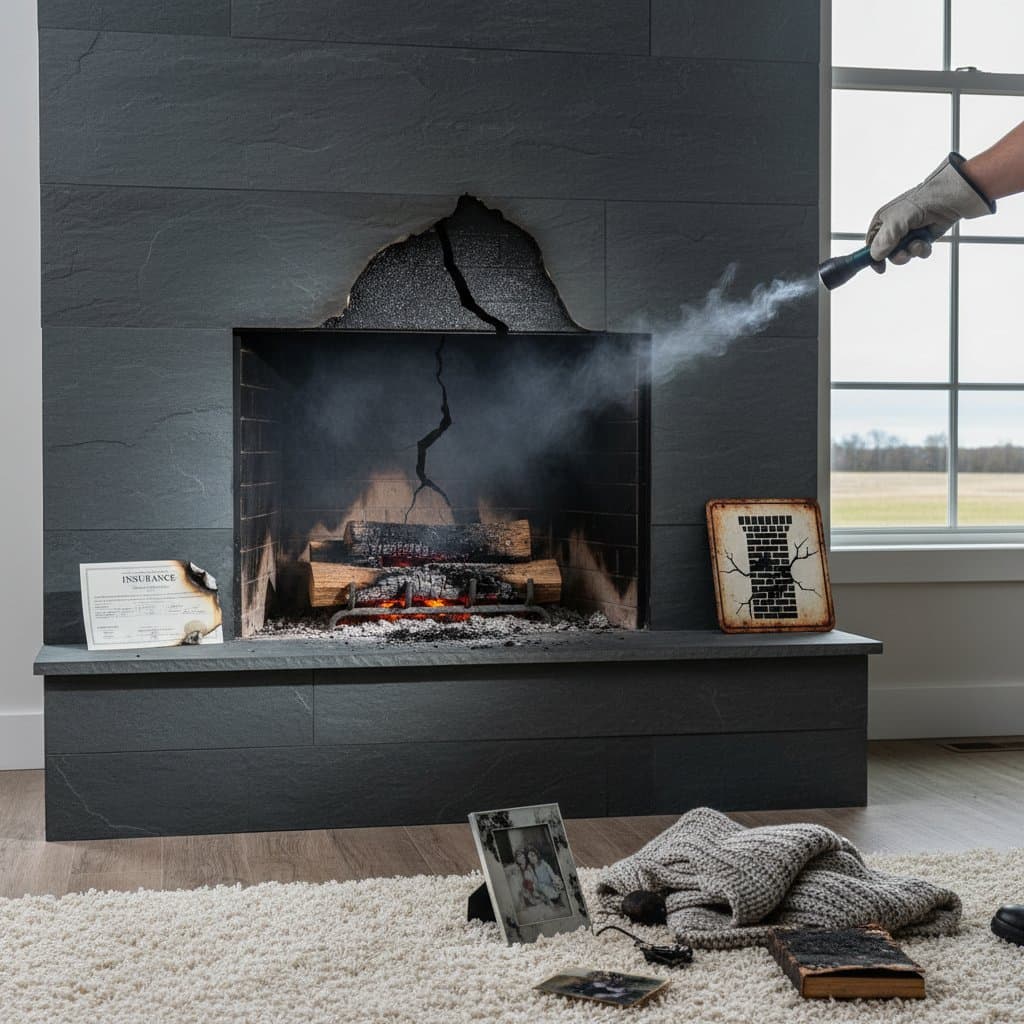
One homeowner, after forgoing inspections for two years, faced a flue fire that extended to the attic. Firefighters contained it, yet repairs surpassed 20,000 dollars. The individual reflected, “I thought I was saving a little money, but I learned the hard way that inspection is cheaper than restoration.”
Inspection Levels Explained
Inspections fall into three categories, determined by system history and activity.
-
Level 1: Suitable for routinely serviced chimneys. Inspectors review visible chimney portions, flue interiors, and appliance links for evident flaws or impediments.
-
Level 2: Mandatory following heating system alterations, like converting from wood to gas, or post-events such as storms or small fires. This includes video probes to assess inner walls.
-
Level 3: Indicated for suspected severe damage. It requires dismantling walls or masonry to inspect hidden zones, providing critical insights into concealed problems.
Annual Level 1 or 2 checks suffice for typical households entering heating periods.
Creosote Accumulation Process
Creosote develops progressively. Stage one presents as powdery soot, easily swept away. Stage two forms brittle flakes resistant to basic removal. Stage three solidifies into adhesive tar that bonds to flue surfaces, demanding advanced tools to avoid liner harm.
Ignited creosote generates heat over 2,000 degrees Fahrenheit, fracturing masonry or setting nearby framing ablaze. Non-spreading fires still distort metal components, forming leaks that release carbon monoxide indoors.
Expenses Beyond Fire Repairs
Smoke mitigation, air purification, and deodorization inflate totals by thousands. Policies often cap coverage absent maintenance proof, potentially rejecting claims without inspection documentation.
Repairs disrupt routines for weeks, curtailing heating in fire-dependent homes. Families endure temporary relocations, amplifying inconvenience.
Indicators Requiring Prompt Inspection
Watch for these urgent signals:
- Persistent tar or charred wood odors absent active fires
- Dark soot or marks on fireplace surrounds or floors
- Challenges igniting or sustaining flames
- Indoor smoke with open dampers
- Debris like bricks, tiles, or metal in the firebox
Cease fireplace use upon noticing any and book an inspection immediately.
Professional Service Over DIY Efforts
Amateur checks with lights or devices frequently overlook concealed defects. Experts deploy precision cameras and brushes for thorough flue access. They spot subtle decay invisible to novices.
Sweeping services range from 150 to 350 dollars, influenced by chimney height, access, and residue volume. Certified sweeps verify damper function, liner integrity, and cap security. Bundles for multiple units reduce costs for larger homes.
Weather's Role in Chimney Risks
Autumn rains infiltrate masonry fissures. Freezing expands this water, eroding joints and permitting leaks into interiors. Intact caps block precipitation and litter, but only when securely installed.
Gusts loosen roof flashings, causing leaks mistaken for pipe failures. Technicians verify seals during visits, averting widespread harm.
Cost Comparison Table
| Service or Damage Type | Cost Range (USD) | Details |
|---|---|---|
| Annual Inspection | 100 - 300 | Visual and camera evaluation for prevention |
| Cleaning/Sweeping | 150 - 350 | Clears soot and creosote deposits |
| Minor Mortar Fixes | 200 - 800 | Halts leaks and fortifies structure |
| Flue Relining | 2,000 - 5,000 | Addresses fire or rust damage |
| Fire Repair | 10,000 - 30,000+ | Encompasses rebuilds and cleanup |
Routine care represents minimal investment against disaster expenses. Off-season scheduling often yields discounted rates.
Pre-Season Fireplace Readiness Steps
- Arrange inspection and cleaning by a professional.
- Verify cap and screen condition.
- Test damper operation.
- Clear flammables from hearth vicinity.
- Position and inspect a nearby extinguisher; replace smoke alarm batteries.
- Use dry, seasoned hardwoods to minimize residue.
These measures avert problems and optimize performance through winter.
Debunking Maintenance Myths
Gas fireplaces demand scrutiny despite lower soot output. Residues clog vents or erode liners, risking carbon monoxide accumulation—a silent, lethal threat.
Stainless liners resist issues but succumb to acidic moisture or venting errors. Periodic reviews maintain protective layers.
Urgent Professional Intervention Triggers
Roaring chimney noises, rooftop sparks, or room-filling smoke signal emergencies. Douse flames if safe and summon firefighters. Post-fire, mandate Level 2 or 3 evaluations to detect lingering risks before reuse. Secondary blazes threaten without visible cues.
Selecting Qualified Experts
Seek Chimney Safety Institute of America certifications or National Chimney Sweep Guild affiliations. Confirm insurance, references, and itemized quotes. Quality providers furnish photo-documented reports of findings and fixes.
Boosting Property Value Through Care
Documented upkeep enhances fireplace allure for buyers. Records reassure during transactions, while neglect prompts negotiations or stalls closings due to repair flags.
Strategies to Forestall Chimney Troubles
Establish a pre-heating calendar reminder for inspections. Log all services in a dedicated file. Promptly renew worn caps or liners; upgrade clay tiles to stainless steel for superior durability.
Clear gutters to divert roof water. Prune limbs to limit flue debris. These habits prolong chimney lifespan and elevate safety.
Advantages of Ongoing Upkeep
Regular attention curbs fires while enhancing efficiency. Unobstructed flues promote strong drafts, yielding hotter, cleaner burns with reduced emissions. Better ventilation accelerates room warming, conserving fuel and expenses over time.
Integrating chimney tasks into home routines minimizes surprises. Proactive steps safeguard assets, ensuring reliable warmth without peril.